Why We View the Past as Better Than the Present
July 8, 2026 - 19:15
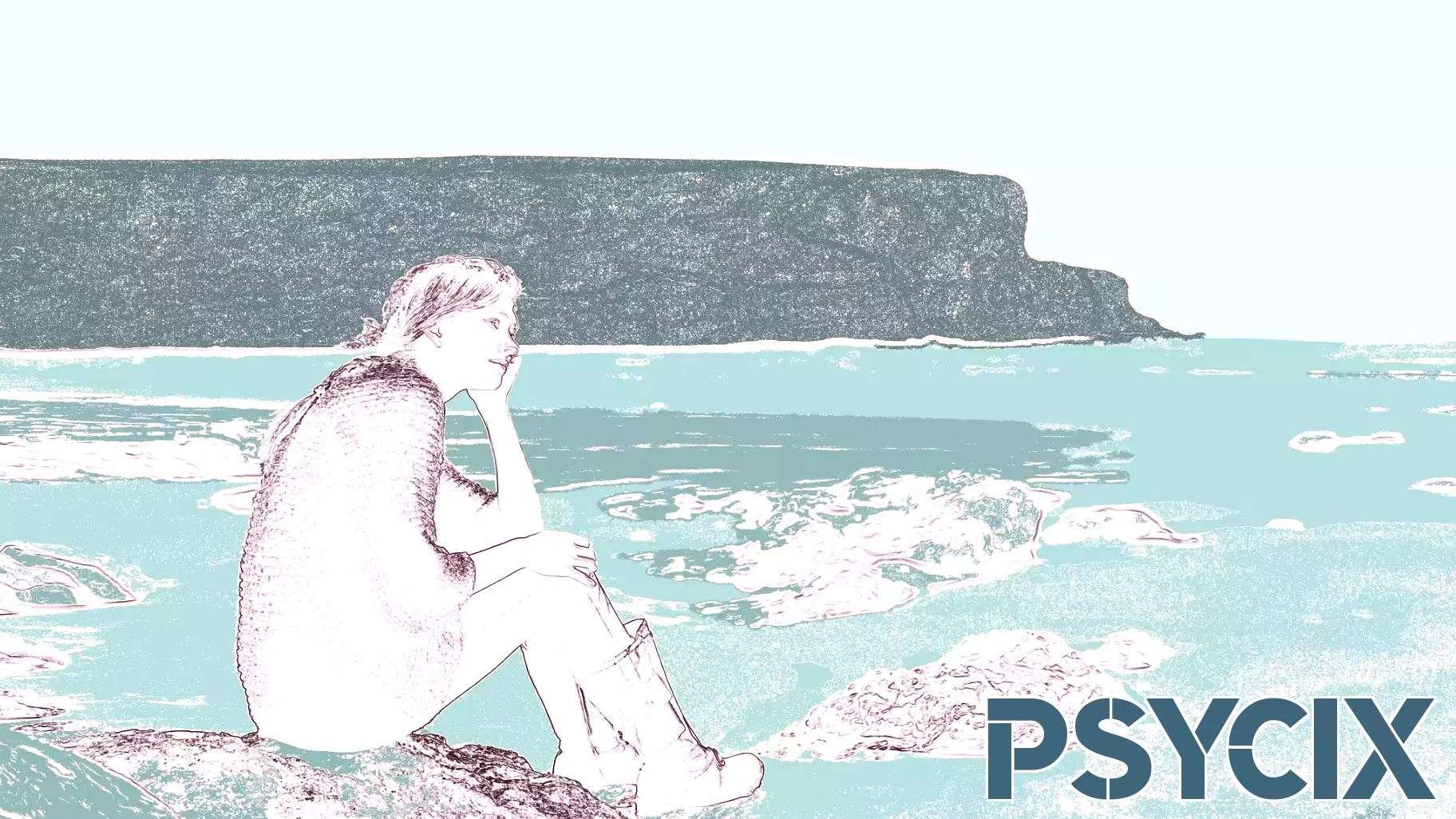
Nostalgia offers a warm, familiar comfort, a mental escape to a time when things felt simpler. But this rosy view of the past comes with a hidden cost. Psychologists call it the "reminiscence bump," a tendency to hold our teenage and young adult years as the golden standard. During that period, our brains are forming core memories, and music, movies, and events get locked in with intense emotion. As we age, those memories become a safe harbor from the stress of the present.
However, this selective memory is a trick. We forget the boredom, the anxiety, and the daily frustrations of those earlier years. The past becomes a highlight reel, stripped of its mundane or painful details. This creates a dangerous feedback loop. The more dissatisfied we feel with current news, work pressures, or social changes, the more we idealize yesterday. That idealization then makes the present seem even worse by comparison.
The dark side of this is that it can paralyze us. When we believe the best days are behind us, we stop investing in the future. We dismiss new ideas as inferior and resist necessary change. It fuels a cultural pessimism where every new generation is seen as a decline. While a little nostalgia is healthy for connection and identity, letting it dominate our view of time traps us in a fantasy. The real challenge is not to mourn a perfect past that never existed, but to find what was good about it and build that into today.
MORE NEWS

October 7, 2026 - 03:39
Associate professor of psychology brings evidence-based mental wellness support directly to college studentsKaileigh Byrne, Wallace R. Roy Distinguished Associate Professor of psychology in the College of Behavioral, Social and Health Sciences, has spent years studying how people make decisions under...

October 6, 2026 - 01:22
Inside the Mind: How SailGP Teams Handle Pressure and Build Winning CulturesThe human side of elite sailing takes center stage in the newest chapter of SailGP`s documentary series Racing on the Edge, created alongside Rolex. This installment shifts focus away from boat...
October 5, 2026 - 16:02
‘No Accountability, No Justice, and No Integrity’A bipartisan federal advisory committee has recommended that the U.S. Department of Education suspend its recognition of the American Psychological Association`s accrediting body, citing what...

October 4, 2026 - 17:27
Our Stone Age Minds Are Still EvolvingRecent genetic evidence suggests that our Stone Age brains have evolved since the Neolithic began, and that they are evolving now. For a long time, many researchers assumed that human cognition...