The psychology of luck: Why some people seem to get lucky more often
July 8, 2026 - 03:28
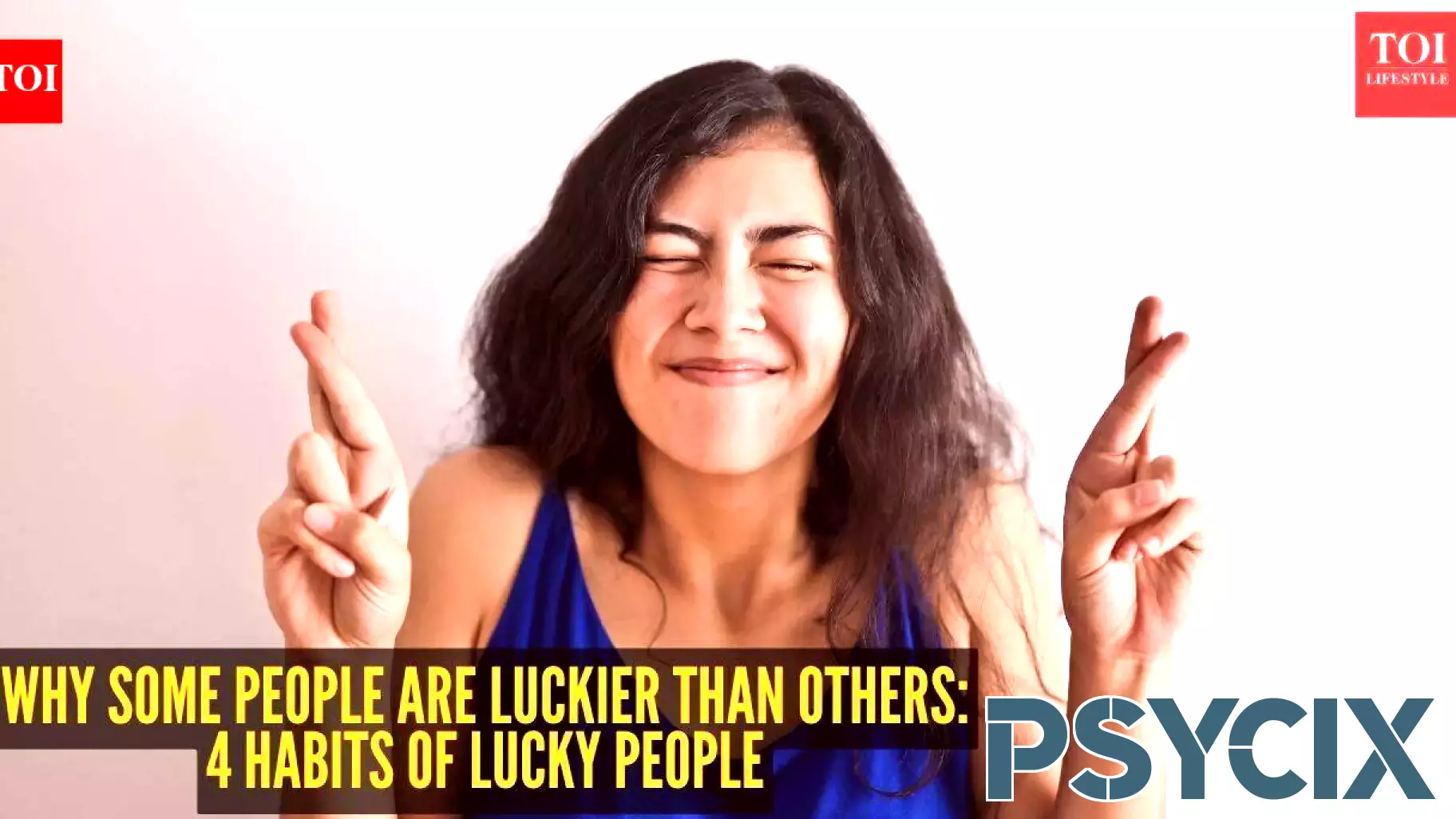
Most people have looked at someone successful and assumed they were simply in the right place at the right time. It is an easy conclusion to make. But a growing body of research suggests that luck is not just a random cosmic force. Instead, it may be a psychological pattern that certain people cultivate without even realizing it.
Psychologists who study this phenomenon point to a concept called "luckiness." It is not about winning the lottery. It is about a mindset that creates more opportunities. People who consider themselves lucky tend to be more open to new experiences. They talk to strangers at parties. They take different routes to work. They say yes to invitations that seem inconvenient. This behavior increases their surface area for chance encounters. A random conversation at a coffee shop might lead to a job offer. A detour on the way home might put them in the path of a useful contact.
There is also a strong element of perception. Two people can experience the same event. One calls it a disaster. The other calls it a lucky break. A canceled flight is a nightmare for one traveler. For another, it is a chance to explore a new city or meet someone interesting. This reframing is not just positive thinking. It is a cognitive habit that turns setbacks into stepping stones.
Another key factor is resilience. Lucky people do not dwell on failure. When something goes wrong, they look for the silver lining or the lesson. They move on quickly. This keeps them in a positive emotional state, which in turn makes them more approachable and more likely to attract help from others. A person who is constantly complaining or anxious tends to repel the very social connections that create luck.
So is luck a skill? The evidence suggests it can be learned. It starts with small changes. Smile more. Talk to the person next to you. Say yes to something new. And when things go wrong, ask yourself what you can learn from it. Over time, these habits shift the odds. The universe may still be random. But your response to it does not have to be.
MORE NEWS

October 6, 2026 - 01:22
Inside the Mind: How SailGP Teams Handle Pressure and Build Winning CulturesThe human side of elite sailing takes center stage in the newest chapter of SailGP`s documentary series Racing on the Edge, created alongside Rolex. This installment shifts focus away from boat...
October 5, 2026 - 16:02
‘No Accountability, No Justice, and No Integrity’A bipartisan federal advisory committee has recommended that the U.S. Department of Education suspend its recognition of the American Psychological Association`s accrediting body, citing what...
October 4, 2026 - 17:27
Our Stone Age Minds Are Still EvolvingRecent genetic evidence suggests that our Stone Age brains have evolved since the Neolithic began, and that they are evolving now. For a long time, many researchers assumed that human cognition...

October 4, 2026 - 06:25
Why People Who Stop Seeking Approval Keep Quiet About These Personal ThingsPeople who have stopped chasing approval tend to share less about themselves, and the change is not about secrecy. It is about where the validation comes from. For them, the proof is in the...