What Does It Mean to Be Human?
May 31, 2026 - 19:25
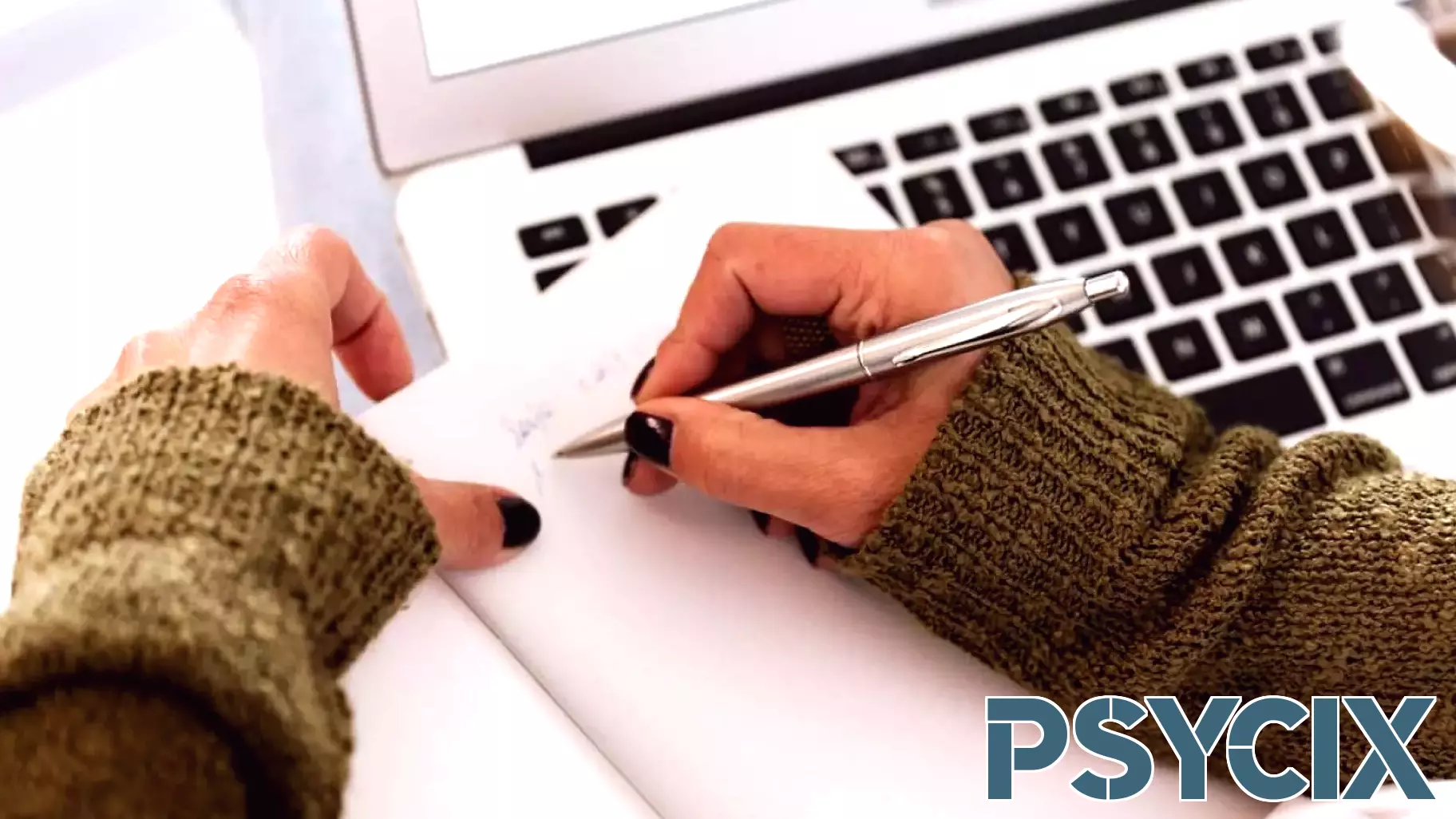
If humans start preferring the writing of AI to the writing of other humans, a strange question emerges: will people eventually stop writing altogether? It sounds dramatic, but the logic is unsettling. When a machine can produce a polished email, a decent poem, or a convincing essay in seconds, the incentive to struggle through the messy process of writing fades. Writing has always been hard. It requires patience, revision, and a willingness to sit with incomplete thoughts. If that effort is no longer necessary, many may simply choose the easier path.
But the real risk is not just that we stop writing. It is that we stop thinking. Writing is not just a way to record ideas. It is a way to form them. The act of putting words on a page forces clarity. It exposes gaps in logic. It demands that we wrestle with ambiguity. If AI does most of the writing, will we let it do most of the thinking too? Over time, that could lead to a kind of cognitive decline, where our ability to reason, argue, and create slowly atrophies.
The irony is that we are asking a machine to help us express what it means to be human. But the answer to that question may depend on whether we keep doing the hard work ourselves.
MORE NEWS

October 13, 2026 - 23:44
Gold Award Girl Scout Organizes Psychology Expo for High School StudentsA local scout has achieved the highest recognition available in her organization by creating a resource for students navigating mental health challenges. Hayley Elisa Castro from Long Valley was...
October 13, 2026 - 08:32
Genetic scores linked to depression and neuroticism are associated with lower voter turnoutA new study suggests that your DNA might have a say in whether you show up at the polls. Researchers analyzing data from more than 50,000 individuals have found that genetic predispositions linked...

October 12, 2026 - 19:44
Parenting in the Digital Age: Managing Tech AnxietyEmily Oster, an economist and author known for her data driven approach to parenting, recently addressed the growing concern many families feel about raising children surrounded by technology. She...

October 12, 2026 - 07:27
When Couples Drift Into Roommate TerritoryMany partners can point to the moment it started, or at least the feeling that something shifted. You share a home, divide the chores and trade updates about your day, but the spark and the sense...