Psychology says people who read on screens rather than paper may remember information with fewer physical
August 30, 2026 - 04:14
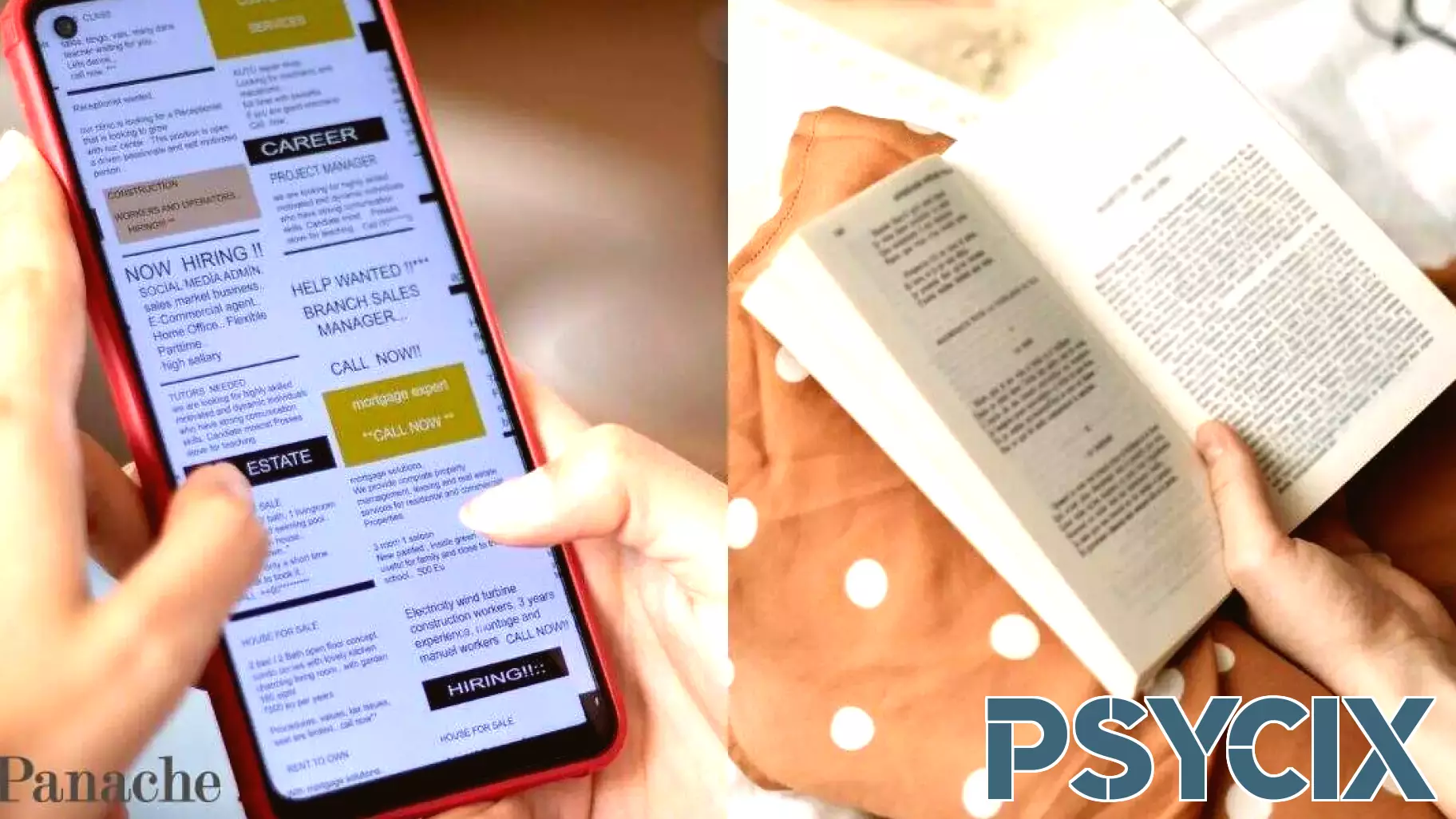
New research is adding nuance to the long-running debate about whether people remember information better when reading from paper instead of a screen. While earlier studies often concluded that paper held a clear advantage, more recent findings suggest the difference is smaller than once believed, but still noticeable in certain situations.
Psychologists have observed that people reading on screens tend to skim more often and read in a nonlinear way. This habit, likely developed from years of scrolling through social media and news sites, may lead to less thorough processing of complex texts. On the other hand, reading from a physical page offers a fixed layout. The position of a paragraph on a page, the way a page turns, and even the feel of the paper can create mental markers. These spatial cues seem to help the brain anchor information, making it easier to recall later.
The advantage for paper becomes more pronounced when readers face time pressure or when the material is dense and requires careful thought. In relaxed conditions with simple text, the gap between the two formats narrows significantly. Researchers also note that screen reading is not inherently worse. The problem may lie in how people approach it. Slowing down, avoiding constant scrolling, and treating a digital page like a printed one could reduce the gap.
the choice between paper and screen may depend on the task. For quick reading or casual browsing, screens are fine. For studying a difficult chapter or preparing for an exam, a printed copy might still be the safer bet. The key takeaway is not that screens ruin memory, but that the reading style they encourage often does.
MORE NEWS

October 13, 2026 - 23:44
Gold Award Girl Scout Organizes Psychology Expo for High School StudentsA local scout has achieved the highest recognition available in her organization by creating a resource for students navigating mental health challenges. Hayley Elisa Castro from Long Valley was...

October 13, 2026 - 08:32
Genetic scores linked to depression and neuroticism are associated with lower voter turnoutA new study suggests that your DNA might have a say in whether you show up at the polls. Researchers analyzing data from more than 50,000 individuals have found that genetic predispositions linked...

October 12, 2026 - 19:44
Parenting in the Digital Age: Managing Tech AnxietyEmily Oster, an economist and author known for her data driven approach to parenting, recently addressed the growing concern many families feel about raising children surrounded by technology. She...

October 12, 2026 - 07:27
When Couples Drift Into Roommate TerritoryMany partners can point to the moment it started, or at least the feeling that something shifted. You share a home, divide the chores and trade updates about your day, but the spark and the sense...