Understanding the Struggle for Inner Peace
November 11, 2025 - 04:12

As a trauma psychotherapist, I witness firsthand the struggles of clients yearning for a sense of "normalcy" in their lives, desperately seeking peace that often seems unattainable. The ongoing turmoil in the world has left many feeling unsettled and anxious, making it challenging to find moments of tranquility.
The reality is that returning to a pre-trauma state is not possible; however, there is hope in learning how to rest and restore our mental well-being. It is essential to acknowledge the impact of our experiences and to develop new strategies for coping and relaxation. Mindfulness practices, such as meditation and deep-breathing exercises, can be effective tools in fostering a sense of calm.
Additionally, creating a supportive environment and engaging in self-care activities can help individuals reclaim their sense of peace. While the journey may be difficult, it is possible to cultivate a new understanding of rest and resilience in the face of ongoing challenges.
MORE NEWS

October 8, 2026 - 15:57
Imitation Is How Children Learn More Than Just WordsWhen a toddler suddenly starts echoing a parent`s words, facial expressions or gestures, it can look like simple mimicry. Developmental psychology research, however, shows that imitation is closely...
October 7, 2026 - 21:42
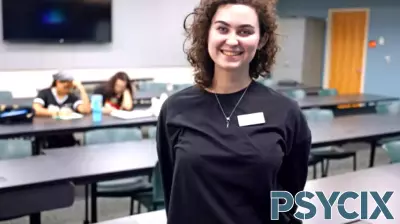
Geisinger Excited About Teaching at SCCKate Geisinger has joined Southeastern Community College as a full-time psychology instructor, bringing with her a strong commitment to student learning and intellectual growth. Geisinger says her...

October 7, 2026 - 03:39
Associate professor of psychology brings evidence-based mental wellness support directly to college studentsKaileigh Byrne, Wallace R. Roy Distinguished Associate Professor of psychology in the College of Behavioral, Social and Health Sciences, has spent years studying how people make decisions under...

October 6, 2026 - 01:22
Inside the Mind: How SailGP Teams Handle Pressure and Build Winning CulturesThe human side of elite sailing takes center stage in the newest chapter of SailGP`s documentary series Racing on the Edge, created alongside Rolex. This installment shifts focus away from boat...