The Reflection of Our Desires: AI and Digital Simulacra
March 8, 2025 - 20:52
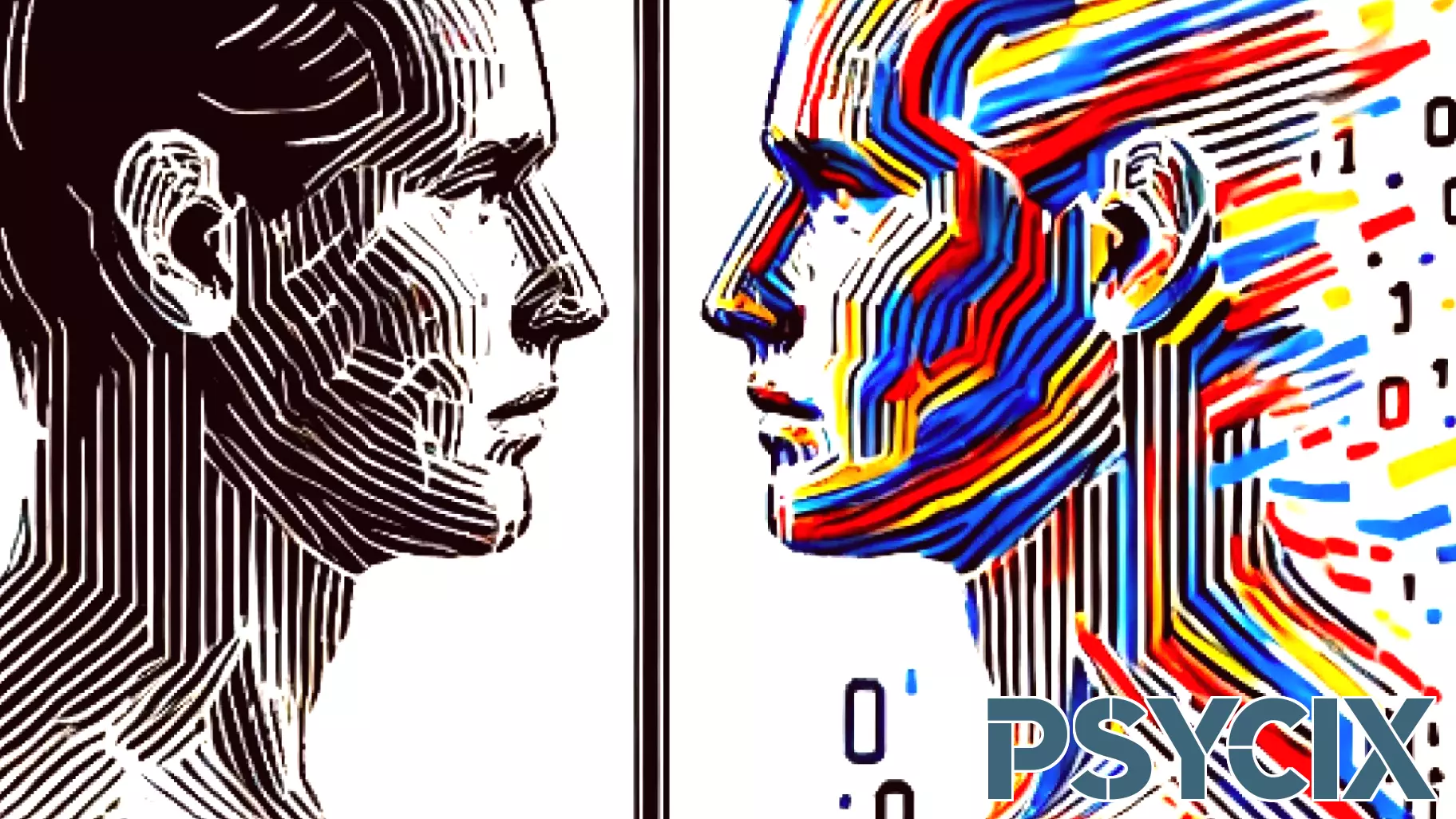
AI technology has advanced to a point where it can replicate our desires with astonishing accuracy, leading to a profound question: What is genuinely ours, and what is merely a reflection? As artificial intelligence becomes increasingly integrated into our daily lives, it mirrors our preferences, aspirations, and even our emotional responses. This phenomenon raises concerns about authenticity in a world where digital simulacra can create experiences that feel real yet are fundamentally artificial.
The ability of AI to imitate human behavior and emotions blurs the lines between genuine connection and manufactured interactions. As we engage with these digital entities, we may find ourselves questioning the nature of our desires. Are we pursuing what we truly want, or are we simply responding to stimuli crafted by algorithms? This introspection challenges us to reconsider the essence of our identity in an age where imitation is indistinguishable from reality.
As AI continues to evolve, the implications for society are vast, prompting discussions about creativity, originality, and the future of human experience in an increasingly simulated world.
MORE NEWS

October 8, 2026 - 15:57
Imitation Is How Children Learn More Than Just WordsWhen a toddler suddenly starts echoing a parent`s words, facial expressions or gestures, it can look like simple mimicry. Developmental psychology research, however, shows that imitation is closely...
October 7, 2026 - 21:42
Geisinger Excited About Teaching at SCCKate Geisinger has joined Southeastern Community College as a full-time psychology instructor, bringing with her a strong commitment to student learning and intellectual growth. Geisinger says her...

October 7, 2026 - 03:39
Associate professor of psychology brings evidence-based mental wellness support directly to college studentsKaileigh Byrne, Wallace R. Roy Distinguished Associate Professor of psychology in the College of Behavioral, Social and Health Sciences, has spent years studying how people make decisions under...

October 6, 2026 - 01:22
Inside the Mind: How SailGP Teams Handle Pressure and Build Winning CulturesThe human side of elite sailing takes center stage in the newest chapter of SailGP`s documentary series Racing on the Edge, created alongside Rolex. This installment shifts focus away from boat...