The Mind Behind the Canvas: How a Psychologist Decodes Personalities Through Home Art Collections
April 25, 2026 - 03:47
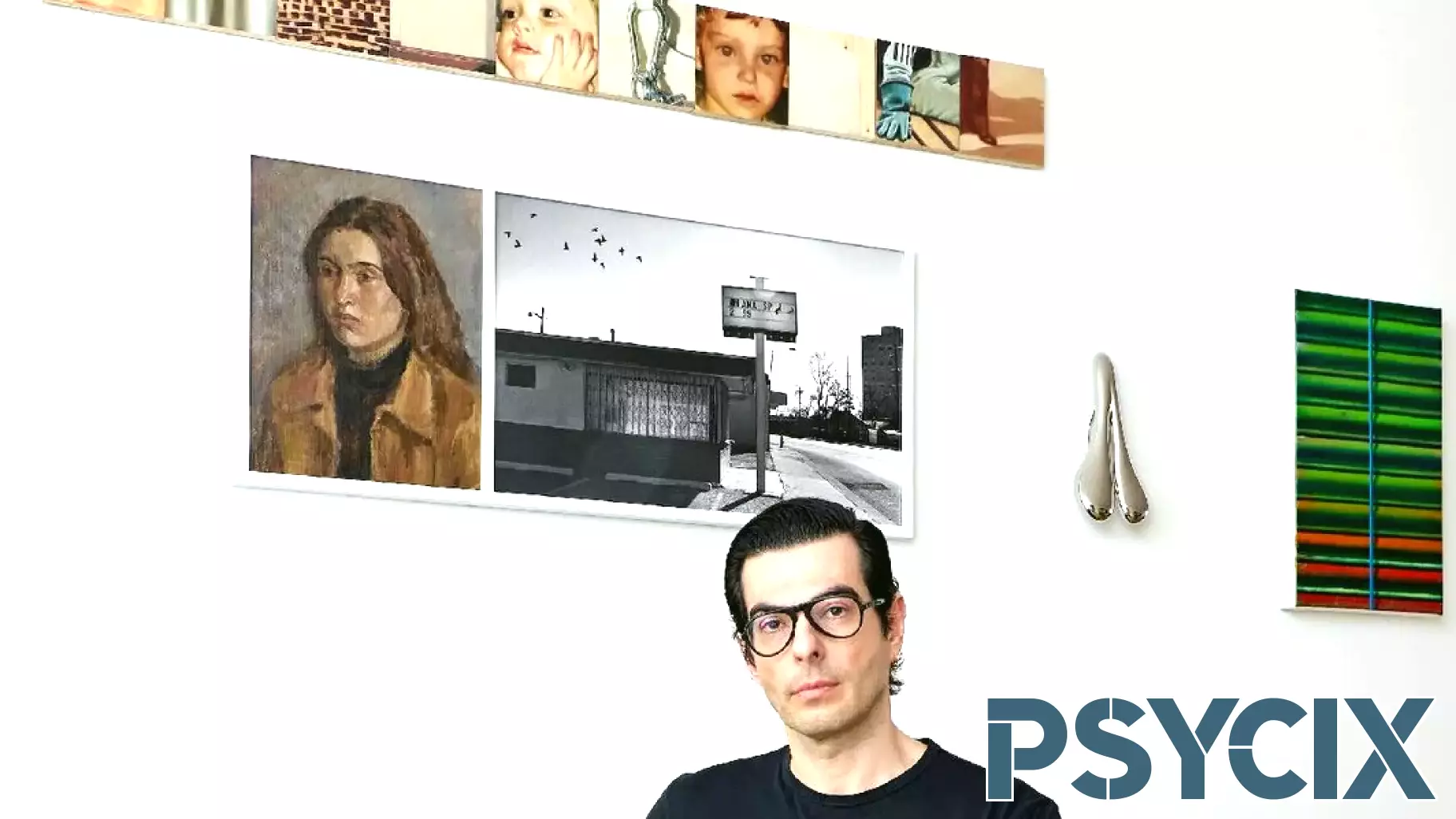
Dr. Dimitrios Tsivrikos is not your typical art collector. As a trained psychologist specializing in consumer and behavioral science, he has spent years curating a personal collection that goes far beyond aesthetic appeal. For Dr. Tsivrikos, the art people choose to live with is a powerful window into their inner world—revealing hidden emotions, unresolved conflicts, and even core personality traits.
In his practice, Dr. Tsivrikos applies clinical insights to the objects that surround his clients. He argues that the paintings, sculptures, and prints hanging on a wall or resting on a shelf are not mere decorations. Instead, they function as silent autobiographies. A preference for abstract expressionism might indicate a comfort with ambiguity, while a love for hyper-realistic portraits could suggest a need for control or order. The colors, textures, and subjects people gravitate toward often mirror their psychological state at the time of acquisition.
Dr. Tsivrikos emphasizes that this connection is often unconscious. A person might purchase a chaotic, stormy seascape without realizing it reflects their own internal turbulence. Conversely, a serene landscape could represent a longing for peace that is absent in daily life. By analyzing these choices, he helps individuals understand motivations they might otherwise overlook.
His own collection, which includes works from emerging and established artists, serves as a living laboratory. He rotates pieces based on his emotional needs, using art as a form of self-therapy. “We curate our environments to tell a story about who we are,” he explains, “but often, we are telling a story we haven’t yet read ourselves.” Through his work, Dr. Tsivrikos invites everyone to look more closely at the art they live with—and discover what it reveals about the person holding the frame.
MORE NEWS

October 22, 2026 - 01:07
The personality test grows up: Bettermind relaunches with a Mind Blueprint, five minutes a day and an eight-week clockA personality assessment platform is relaunching with a rebuilt system that trades lengthy questionnaires for short daily sessions and a structured timeline. The new approach centers on what the...

October 21, 2026 - 11:59
Rethinking the Stanford Prison Experiment: A Kinder Take on a Dark ChapterThe decision to revisit the notorious 1971 Stanford Prison Experiment for a new audience initially sparked widespread criticism. Many questioned why anyone would want to dramatize a study that went...

October 20, 2026 - 21:20
Which Generation Really Deserves the Snowflake Label? Science Offers a Surprising AnswerThe answer isn`t quite as simple as you might think, with some complexities in the story. The term `snowflake` has become a favorite insult tossed between generations, usually aimed at younger...

October 20, 2026 - 14:36
Psychological Strain of Menopause Linked to Higher Job Turnover Among WomenTurnover related to menopause has become a critical global socioeconomic challenge, affecting female career longevity and organizational productivity. New research suggests that the psychological...