Psychology says the hardest part of watching your parents age isn’t the physical decline — it’s the moment you realize they’ve started performing competence the same way you performed adulthood when you were younger
April 18, 2026 - 16:38
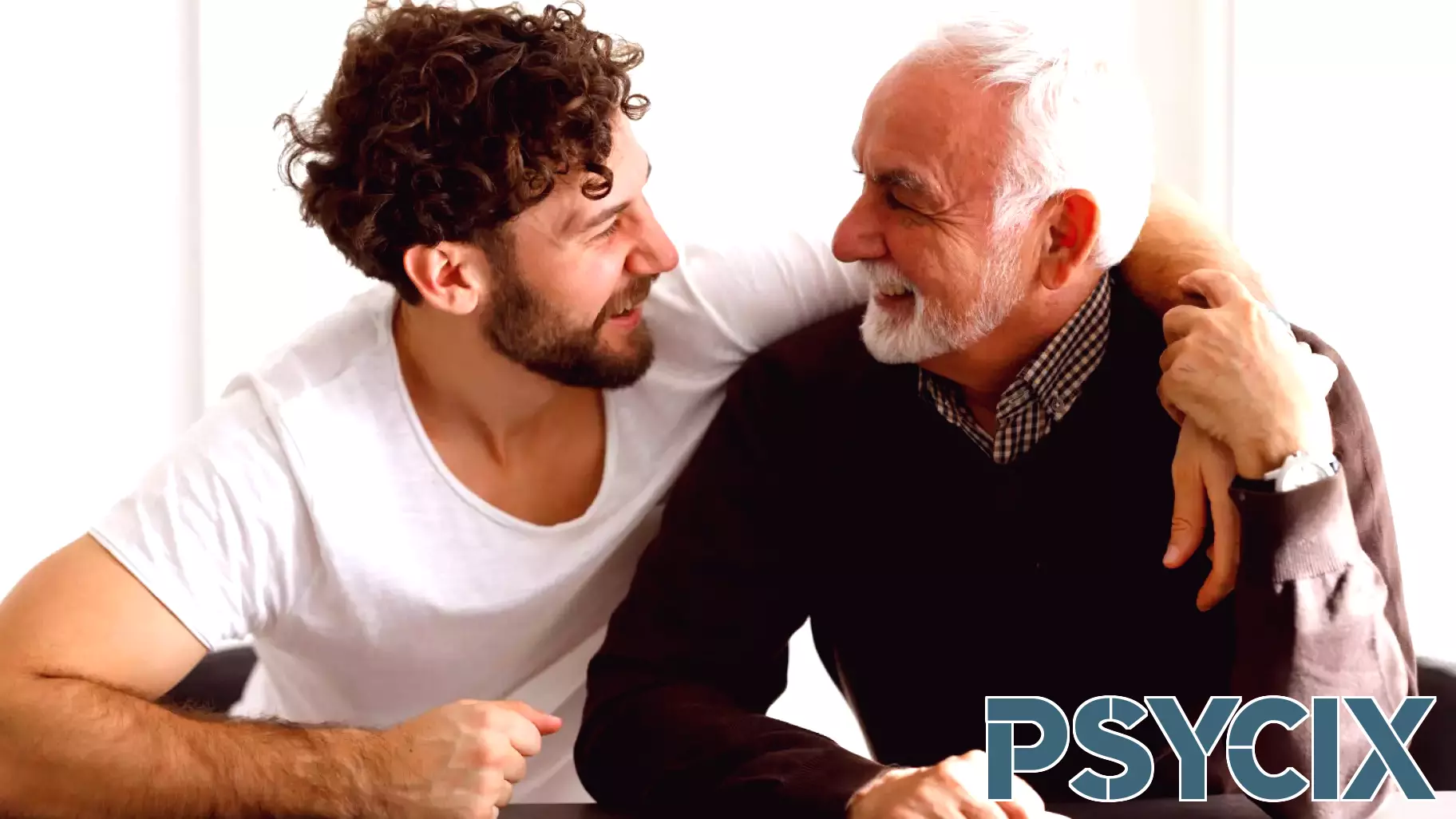
A recent call from a father to his adult child underscores a profound psychological shift many experience as their parents age. The conversation, focused on routine property matters, revealed something deeper than the surface topic. It highlighted a moment of realization that is often more emotionally challenging than witnessing physical decline: the recognition that a parent has begun to "perform competence."
This concept refers to the subtle, sometimes subconscious, act where an aging individual carefully manages conversations and interactions to project an image of being fully in control and capable. They may rehearse topics, avoid showing confusion, or present only solved problems, much like a young adult once performed the role of a responsible grown-up to their parents. The performance is an act of love and self-preservation, a desire not to be a burden and to maintain dignity.
For the adult child, this realization marks a poignant role reversal. It signals the quiet closing of a chapter where the parent was the unquestioned source of guidance. The hardest part is not helping with tasks, but perceiving the effort behind the curated calm, the love masking vulnerability. It requires a new kind of attentiveness—listening not just to words, but to the spaces between them, and responding with a grace that honors their performance while silently assuring them that their real, unedited selves are still safe and loved. This silent dance redefines the relationship, blending care with a deepened, more complex respect.
MORE NEWS

October 15, 2026 - 17:04
Struggles with Fathers Keep Young People Away from Mental Health CareYoung people who have difficult relationships with their fathers are less likely to reach out for mental health support, according to research that points to a troubling gap in care. The finding...

October 15, 2026 - 09:50
Psychology study finds children with more severe social anxiety often have parents who offer repeated reassurance or help them avoid stressful situationsParents often try to calm an anxious child by offering repeated reassurance, changing family routines or helping the child sidestep situations that cause distress. These responses can bring relief...

October 14, 2026 - 21:19
Year-Round Daylight Saving Time Would Mean Darker Winter Mornings, Professor WarnsA psychology professor is raising concerns about the push to make Daylight Saving Time permanent, warning that the change would force residents to endure extended periods of darkness during the...

October 14, 2026 - 16:09
When AI becomes a tool for psychological manipulation: A new challenge for digital security.Artificial intelligence is reshaping how criminals target and control their victims. What once required a skilled con artist can now be automated, scaled, and disguised as a friendly voice or a...