The Importance of Defiance in Childhood Development
November 29, 2025 - 20:27
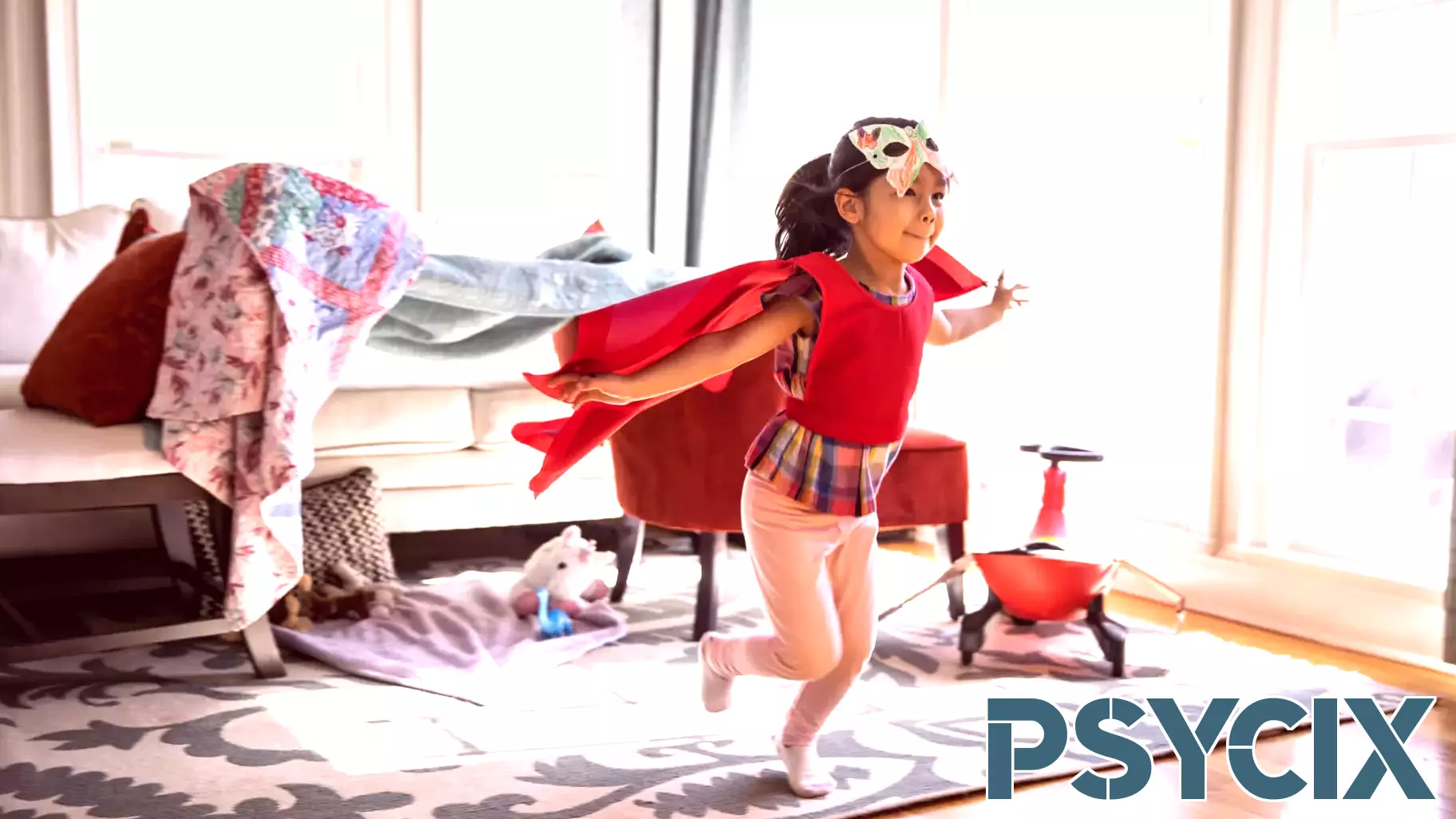
Cornell University organizational psychologist Sunita Sah emphasizes that children who do not learn to be defiant may face challenges in becoming assertive adults. In her research, Sah argues that a certain level of disobedience can be beneficial for children, allowing them to develop critical thinking skills and the confidence to express their opinions.
When children are encouraged to question authority and think independently, they cultivate resilience and adaptability—traits that are essential for success in adulthood. Sah points out that while obedience is often viewed as a positive trait, an overemphasis on compliance can lead to a lack of self-advocacy and difficulty in navigating social and professional environments later in life.
By fostering an environment where children can safely explore boundaries and express dissent, parents and educators can help them grow into confident individuals who are not afraid to voice their thoughts and stand up for themselves. Embracing a balanced approach to discipline may ultimately lead to more successful and fulfilled adults.
MORE NEWS

October 12, 2026 - 07:27
When Couples Drift Into Roommate TerritoryMany partners can point to the moment it started, or at least the feeling that something shifted. You share a home, divide the chores and trade updates about your day, but the spark and the sense...

October 11, 2026 - 22:49
Hormonal Birth Control May Shift How Women See Their Own Romantic AppealWhile hormonal birth control is known to suppress fertility, a series of new psychological evaluations suggests that synthetic hormones may inadvertently boost how women perceive their own romantic...

October 11, 2026 - 03:20
According to Psychology, People Who Always Keep a Tidy Home Share One Hidden Personality Trait Most Never NoticeYou walk through your front door and everything is exactly where you left it. The throw pillows sit at perfect angles, the kitchen counter gleams, and not a single stray shoe clutters the hallway....

October 10, 2026 - 09:19
Psychology says toddlers who hide behind your legs but keep peeking at guests may be managing two competing feelingsThere is a familiar scene at family gatherings. The door opens, relatives arrive, and a toddler who was happily playing a moment ago suddenly moves behind a parent`s legs. But then something...