Young People See Fewer Win-Win Situations Than Older People
February 26, 2026 - 03:15

New research reveals a significant generational divide in how people perceive success and competition. The study indicates that younger people are more likely than their older counterparts to view situations as zero-sum, where one person's gain is inherently another's loss.
This mindset contrasts with a more collaborative, "win-win" perspective often associated with older adults. The findings suggest that an individual's belief in zero-sum dynamics is not fixed but appears to change throughout their lifespan. While the reasons behind this shift are complex, researchers speculate that lived experience may play a key role. Older adults, having navigated more long-term personal and professional relationships, may have witnessed more instances of mutual benefit over time.
This generational gap in perception could have profound implications for workplace dynamics, social cohesion, and policy-making. If younger generations are more predisposed to see interactions as competitive rather than cooperative, it may influence their approach to teamwork, negotiation, and even their broader worldview. Understanding this psychological shift is crucial for fostering environments that bridge generational divides and promote a more inclusive understanding of shared success. The study underscores the importance of mentorship and intergenerational dialogue to broaden perspectives across all age groups.
MORE NEWS

October 9, 2026 - 01:11
Psychology Professors Raise Concerns About AI Dependence in StudentsPsychology professors are expressing growing concern that students` increasing reliance on artificial intelligence tools may be weakening essential cognitive and academic skills. In a recent...

October 8, 2026 - 15:57
Imitation Is How Children Learn More Than Just WordsWhen a toddler suddenly starts echoing a parent`s words, facial expressions or gestures, it can look like simple mimicry. Developmental psychology research, however, shows that imitation is closely...
October 7, 2026 - 21:42
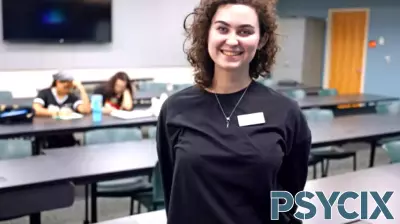
Geisinger Excited About Teaching at SCCKate Geisinger has joined Southeastern Community College as a full-time psychology instructor, bringing with her a strong commitment to student learning and intellectual growth. Geisinger says her...

October 7, 2026 - 03:39
Associate professor of psychology brings evidence-based mental wellness support directly to college studentsKaileigh Byrne, Wallace R. Roy Distinguished Associate Professor of psychology in the College of Behavioral, Social and Health Sciences, has spent years studying how people make decisions under...