The Complex Science Behind Nostalgic Flavors
December 26, 2025 - 22:08
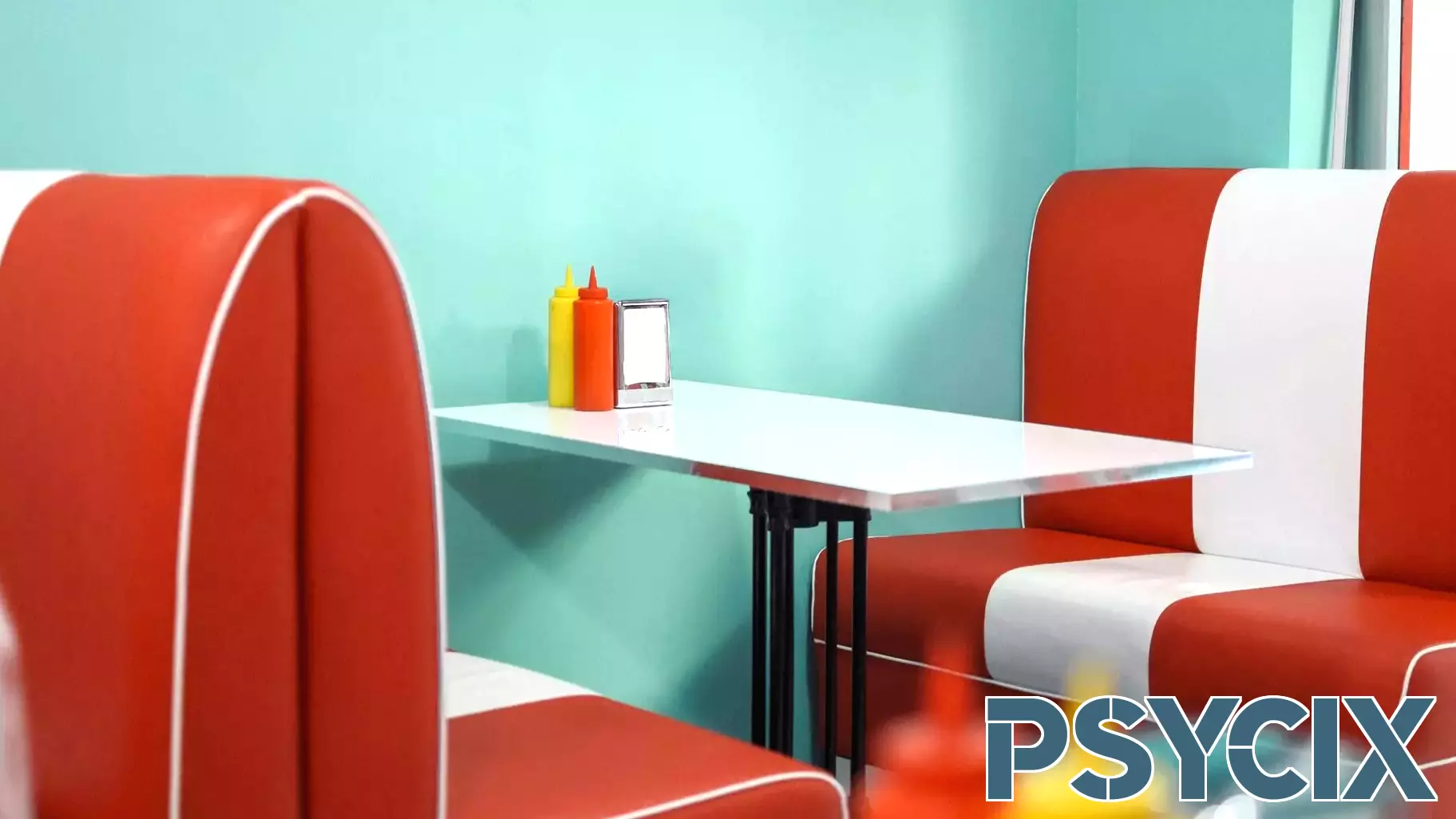
Nostalgia is on the rise, but the challenge of recreating beloved childhood flavors extends beyond simply combining ingredients. The field of neurogastronomy reveals that brands are not just selling food; they are tapping into deep-seated memories and emotions associated with those flavors. This complexity makes the task of evoking nostalgia both powerful and difficult.
When consumers experience familiar tastes, they often find themselves transported back to significant moments in their lives. However, successfully capturing these flavors requires an understanding of how sensory experiences are intertwined with personal memories. It’s not enough to replicate a recipe; brands must consider the emotional context that surrounds these flavors.
As companies delve into this intricate landscape, the quest for the perfect nostalgic product becomes a balancing act. They must navigate the fine line between authenticity and innovation, ensuring that the flavors resonate with consumers while also appealing to contemporary palates. In this way, the science of flavor recreation becomes a fascinating intersection of psychology and gastronomy.
MORE NEWS

October 8, 2026 - 15:57
Imitation Is How Children Learn More Than Just WordsWhen a toddler suddenly starts echoing a parent`s words, facial expressions or gestures, it can look like simple mimicry. Developmental psychology research, however, shows that imitation is closely...
October 7, 2026 - 21:42
Geisinger Excited About Teaching at SCCKate Geisinger has joined Southeastern Community College as a full-time psychology instructor, bringing with her a strong commitment to student learning and intellectual growth. Geisinger says her...

October 7, 2026 - 03:39
Associate professor of psychology brings evidence-based mental wellness support directly to college studentsKaileigh Byrne, Wallace R. Roy Distinguished Associate Professor of psychology in the College of Behavioral, Social and Health Sciences, has spent years studying how people make decisions under...
October 6, 2026 - 01:22
Inside the Mind: How SailGP Teams Handle Pressure and Build Winning CulturesThe human side of elite sailing takes center stage in the newest chapter of SailGP`s documentary series Racing on the Edge, created alongside Rolex. This installment shifts focus away from boat...