The Cognitive Revolution: Understanding AI's Influence on Human Thought
June 4, 2025 - 00:11
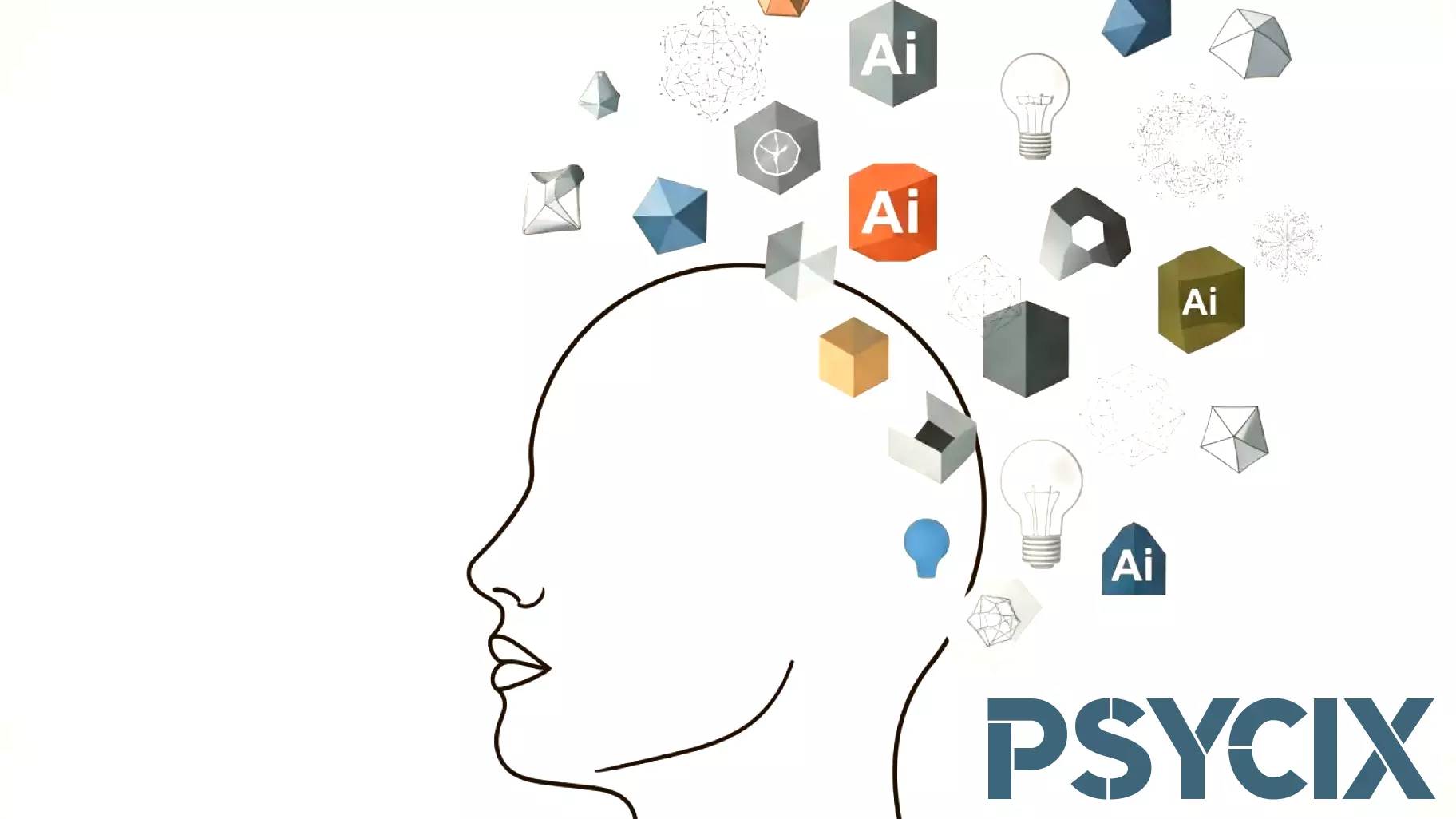
The rapid advancement of generative AI tools represents more than technological progress—it's a cognitive revolution that demands our attention. As AI systems become increasingly integrated into daily life, they are reshaping the way we think, learn, and interact with information. This shift raises important questions about the implications for human cognition and decision-making.
Research indicates that reliance on AI for information processing may alter our memory and attention spans. The convenience of AI-generated content can lead to a decrease in critical thinking skills, as individuals may become accustomed to accepting information without thorough analysis. Furthermore, the ability of AI to personalize content raises concerns about echo chambers, where users are exposed only to viewpoints that reinforce their existing beliefs.
As we navigate this new landscape, understanding the psychological impacts of AI on cognitive processes is crucial. It is essential to strike a balance between leveraging these advanced tools and maintaining our cognitive independence, ensuring that technology enhances rather than diminishes our intellectual capabilities.
MORE NEWS

October 18, 2026 - 06:35
Psychologist Weighs In on Trump's Health RemarksPresident Donald Trump made a rather alarming admission about suffering from some `very severe problems` with his health, and now a psychologist has weighed in with evidence for what some of those...

October 17, 2026 - 17:32
Debunking Common Psychology MythsSpoiler alert: opposites do not attract. That popular belief is just one of many psychology `facts` that turn out to be myths. A closer look at the research reveals several ideas people repeat...

October 17, 2026 - 06:31
The Psychology Behind Why People Enjoy Being ScaredThere are two kinds of people in October: those who count down the days until they can visit a haunted house, and those who would rather spend the evening anywhere else. For the first group, the...

October 16, 2026 - 17:10
How Psychological Stress Sets Off Arthritis Flares Through an Inflammatory PathwayPsychological stress has long been associated with worsening symptoms in rheumatoid arthritis (RA). However, the underlying mechanism connecting psychological stress to the occurrence of joint...