Why We Turn Up The Music When We Lose Someone: The Psychology Behind Dolly Parton's Streaming Surge
August 31, 2026 - 17:05
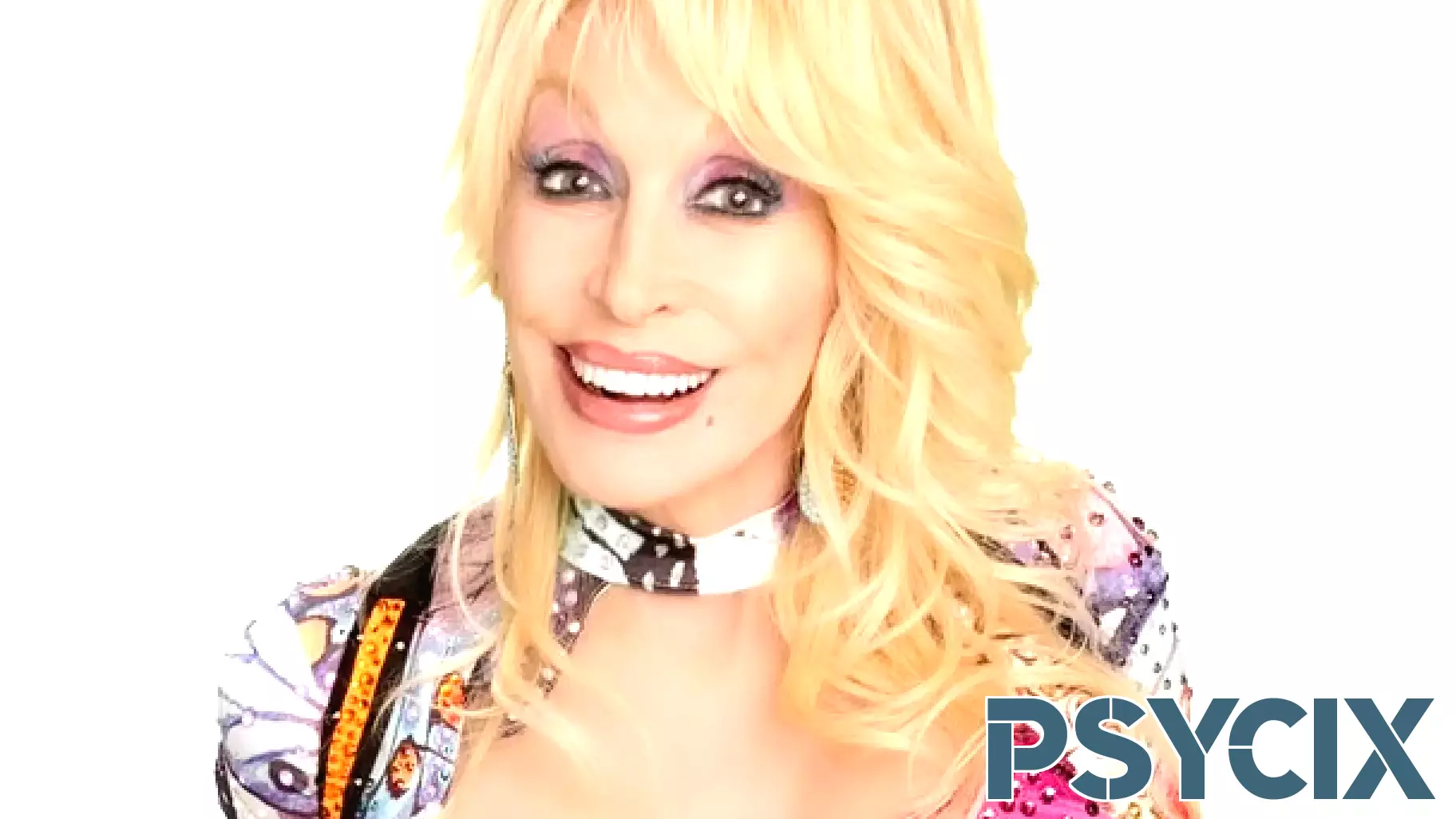
Dolly Parton died on Tuesday, August 25, at the age of 80. Within hours, something remarkable happened, not in the headlines, but in millions of individual living rooms, cars, and kitchens around the world. People reached for her music, all at once, in numbers big enough to reshape the charts overnight. According to Luminate, Parton's US streams jumped by over 1,200 percent in the first 24 hours following the news. Her catalog, which spans six decades, suddenly became the soundtrack for a collective moment of grief.
The phenomenon is not new, but it is striking every time it happens. When a beloved artist dies, their work transforms into something else. It stops being just songs and becomes a vessel for memory, comfort, and connection. Psychologists point to what they call "nostalgic listening," a behavior where people seek out familiar music to regulate emotions during times of loss. The brain releases dopamine when we hear songs tied to positive personal memories, which can soften the sharp edge of sadness. Parton's music, with its warmth, humor, and unshakeable optimism, offers a particular kind of solace.
There is also a social layer to this surge. Streaming is not a private act in the way that playing a vinyl record used to be. When millions of people press play on the same song at the same time, it creates a shared experience, a silent collective ritual. It is a way of saying goodbye together without saying a word. The numbers will fade in the coming weeks, but the impulse behind them will not. It is simply how we mourn now, one playlist at a time.
MORE NEWS

October 15, 2026 - 17:04
Struggles with Fathers Keep Young People Away from Mental Health CareYoung people who have difficult relationships with their fathers are less likely to reach out for mental health support, according to research that points to a troubling gap in care. The finding...

October 15, 2026 - 09:50
Psychology study finds children with more severe social anxiety often have parents who offer repeated reassurance or help them avoid stressful situationsParents often try to calm an anxious child by offering repeated reassurance, changing family routines or helping the child sidestep situations that cause distress. These responses can bring relief...

October 14, 2026 - 21:19
Year-Round Daylight Saving Time Would Mean Darker Winter Mornings, Professor WarnsA psychology professor is raising concerns about the push to make Daylight Saving Time permanent, warning that the change would force residents to endure extended periods of darkness during the...

October 14, 2026 - 16:09
When AI becomes a tool for psychological manipulation: A new challenge for digital security.Artificial intelligence is reshaping how criminals target and control their victims. What once required a skilled con artist can now be automated, scaled, and disguised as a friendly voice or a...