Youths with disruptive behavior and callous-unemotional traits need a broad range of treatments, study shows
September 2, 2026 - 00:22
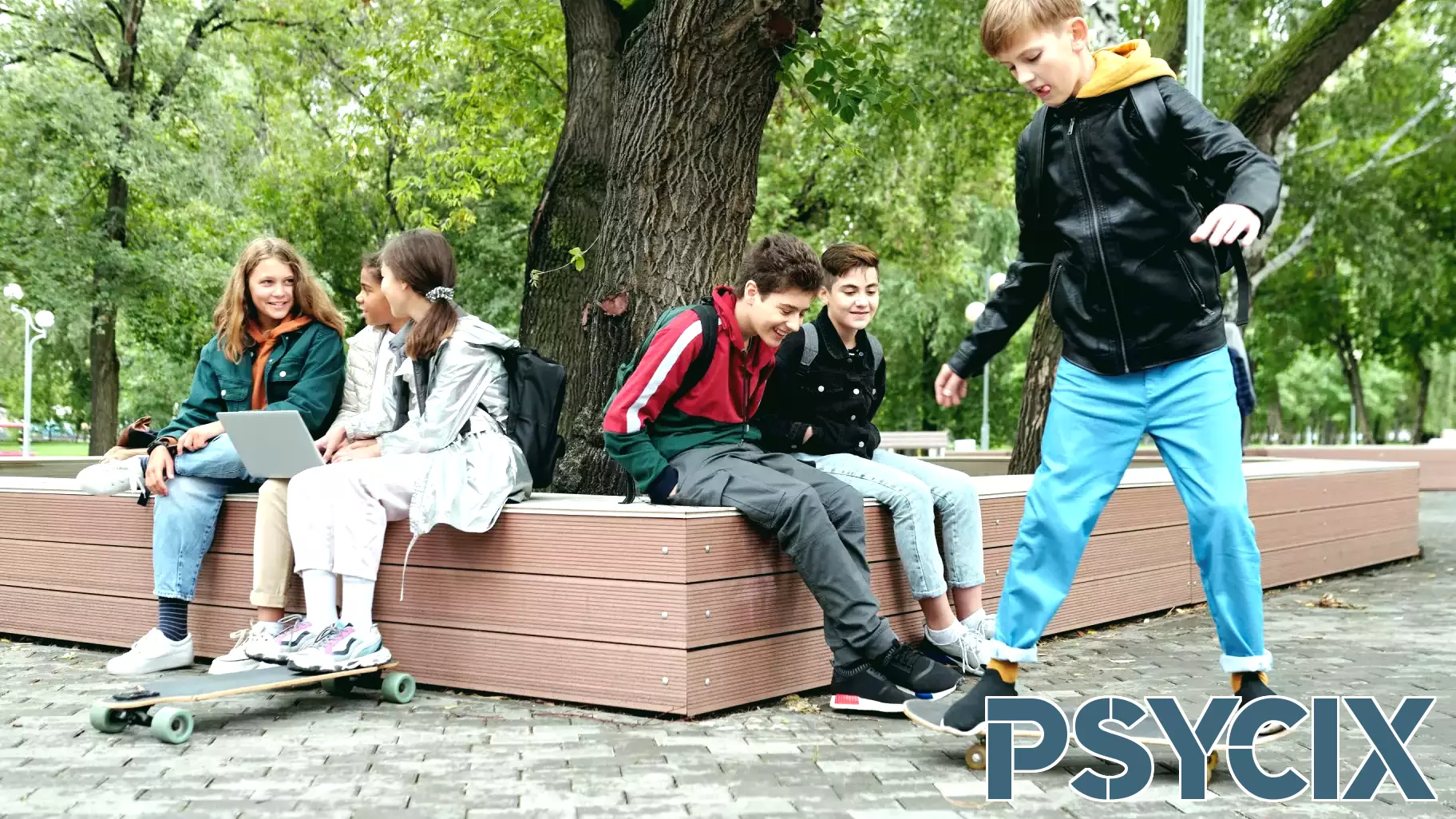
Children and teens who show disruptive behavior, such as aggression and defiance, create significant stress for families and schools. When parents finally seek mental health care for these symptoms, they often expect a single solution. However, new research indicates that a one-size-fits-all approach is not enough, especially for young people who also display callous-unemotional traits, like a lack of guilt or empathy.
The study, published in a leading psychology journal, reviewed data from dozens of clinical trials. It found that youth with both disruptive behavior and high callous-unemotional traits respond poorly to standard parenting programs or cognitive behavioral therapy alone. These young people often do not respond to punishment or reward in the same way as their peers. They may also have difficulty recognizing emotions in others, which makes typical social skills training less effective.
The authors argue that treatment must be broad and flexible. It should include not only behavior management for parents but also direct work on emotional recognition, perspective-taking, and reward sensitivity. In addition, the study highlights the need to address co-occurring issues like anxiety or attention problems, which can complicate the clinical picture. For example, a child might act out because of frustration from undiagnosed ADHD, while also showing a lack of remorse for the consequences.
The researchers stress that early and consistent intervention is key. Waiting for the behavior to improve on its own often leads to worsening problems in adolescence, including school dropout and legal trouble. They recommend that clinics assess for callous-unemotional traits early, then build a treatment plan that combines family therapy, individual skill building, and school-based support. The goal is not to change the child's personality but to give them tools to manage their behavior and build healthier relationships. Without this broader approach, the study warns, many youth will continue to struggle despite receiving help.
MORE NEWS

October 16, 2026 - 17:10
How Psychological Stress Sets Off Arthritis Flares Through an Inflammatory PathwayPsychological stress has long been associated with worsening symptoms in rheumatoid arthritis (RA). However, the underlying mechanism connecting psychological stress to the occurrence of joint...
October 16, 2026 - 08:44
International experts analyze the psychology behind workplace gossip.Mental health has become a growing concern in professional settings, where job pressure and relationships between colleagues shape how employees feel about their work. Researchers are now taking a...

October 15, 2026 - 17:04
Struggles with Fathers Keep Young People Away from Mental Health CareYoung people who have difficult relationships with their fathers are less likely to reach out for mental health support, according to research that points to a troubling gap in care. The finding...
October 15, 2026 - 09:50
Psychology study finds children with more severe social anxiety often have parents who offer repeated reassurance or help them avoid stressful situationsParents often try to calm an anxious child by offering repeated reassurance, changing family routines or helping the child sidestep situations that cause distress. These responses can bring relief...