The Arrival Fallacy: Why Reaching Your Biggest Goal Can Feel Surprisingly Empty
June 16, 2026 - 17:05
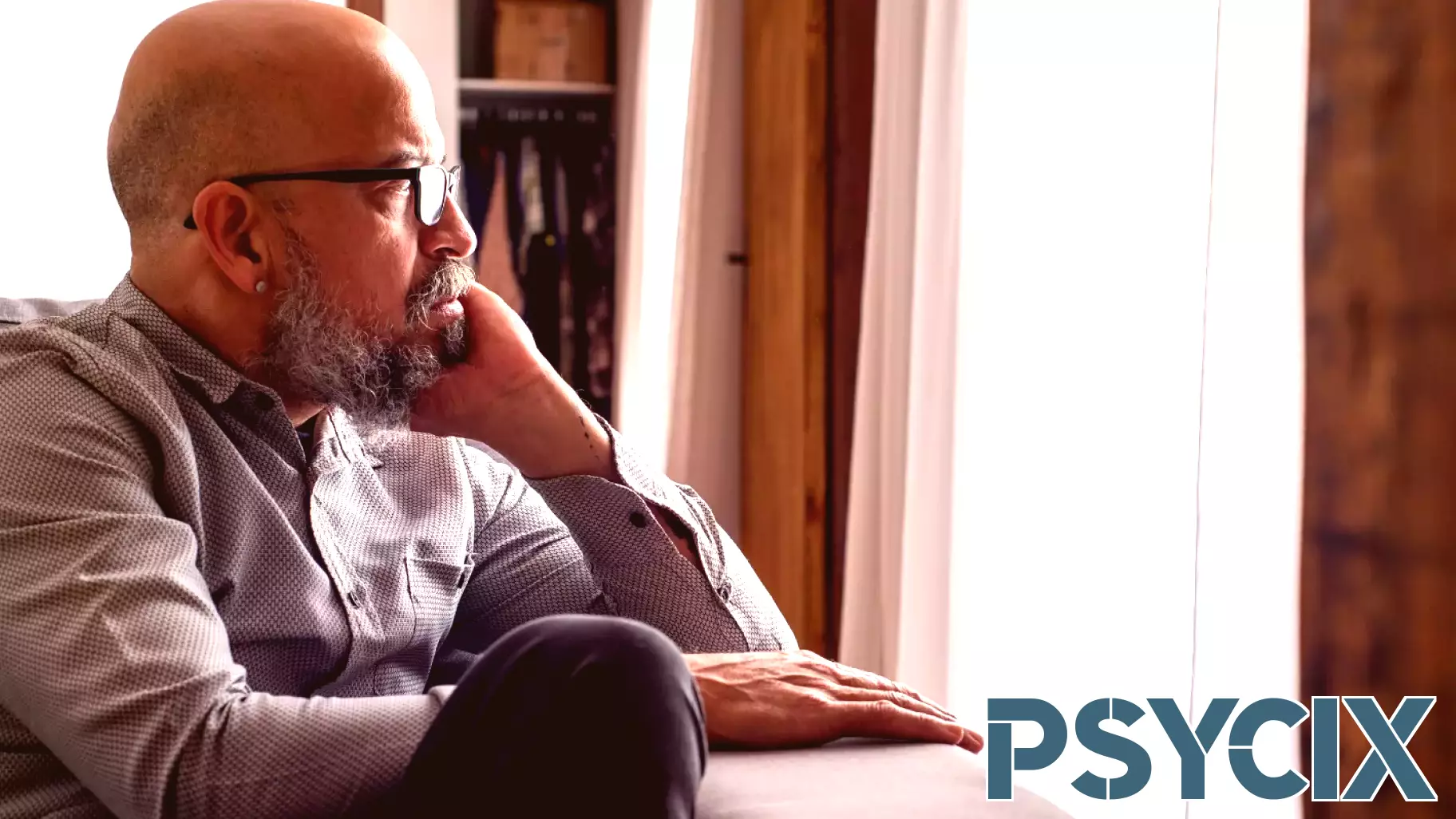
We tend to believe that hitting the big goal will finally make us happy. The promotion. The house. The acceptance letter. We imagine a permanent shift in how we feel once we arrive at that destination. But many people report a strange flatness after achieving what they worked so hard for. Psychology has a name for this experience: the arrival fallacy.
I am not a psychologist, and what follows is reading and reflection on a handful of studies, not advice about your life. The research here describes a pattern that researchers have observed across different contexts. People spend months or years chasing a specific outcome, convinced that reaching it will unlock lasting contentment. Then they get there, and the feeling fades within days or weeks. The goal itself becomes ordinary. The new normal sets in.
Part of the problem is that we overestimate how much a single event will change our daily experience. A promotion often means more responsibility, longer hours, and new stresses. A bigger house means more maintenance and higher bills. The anticipation of the goal creates a kind of emotional momentum, but the landing rarely matches the fantasy.
Some studies suggest that the antidote is not to stop setting goals, but to shift focus toward the process rather than the outcome. People who find meaning in the daily work, the small improvements, and the struggle itself tend to report more stable satisfaction. The arrival is just a moment. The path is where most of life actually happens.
MORE NEWS

September 15, 2026 - 00:54
Understanding Ambivalence: A Marin Resident's Insight`Few important things in life turn out to be simple either-or decisions,` writes David Reinstein, a retired psychotherapist living in San Anselmo. In his recent exploration of ambivalence,...

September 14, 2026 - 12:59
Can Children's SIM Cards Really Shield Kids from Harmful Content?Kazakhstan is moving forward with plans to ban children under 16 from registering on social media and to expand the mandatory use of children`s SIM cards. The measures are part of a broader effort...

September 13, 2026 - 19:51
Williams named interim director of Cameron Psychology ClinicDr. Joe Williams has been named interim clinical director of the Cameron Psychology Clinic. The appointment places him in charge of daily clinical operations while the facility searches for a...

September 13, 2026 - 04:58
The Psychology Behind Why Women Follow 10-Step Skincare RoutinesA 10-step skincare routine can serve different psychological purposes, from self-care and personal identity to habit, enjoyment and a sense of competence or control. For some people, it may also...