Psychology says the panic-clean when someone texts 'on my way' isn't shame — it's editing the version of your life they're allowed to see
July 31, 2026 - 03:57

You know the feeling. A friend texts "on my way," and suddenly you are shoving laundry into a closet, wiping down counters, and hiding the pile of mail. Most people call this a panic-clean and assume it is driven by embarrassment over a messy home. But psychology suggests the motivation runs deeper than shame.
According to researchers who study domestic behavior and self-presentation, this frantic tidying is not about hiding failure. It is about editing. When someone announces their arrival, you are given a brief window to curate the version of your life they will see. The dirty dishes become a prop you choose to remove. The cluttered coffee table becomes a set piece you rearrange. You are not cleaning because you are ashamed of who you are. You are cleaning because you are selecting which details of your daily reality you want to share.
This act of editing serves a social purpose. It allows you to present a controlled narrative to your guest. You are saying, "This is the calm, organized, and put-together space I want you to remember." The panic-clean is a performance of stability. It is a way to manage the story of your life in real time, long before anyone sits down on the couch.
In that sense, the panic-clean is not a sign of disorder. It is a sign of agency. You are not reacting to mess. You are actively shaping the image you project. The next time you find yourself frantically hiding a stray sock, remember that you are not panicking. You are simply editing the frame.
MORE NEWS
October 28, 2026 - 22:12
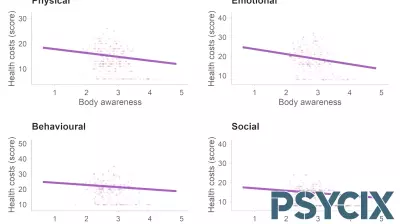
Body Awareness May Reduce the Health Cost of Following PoliticsA study of more than 2,000 Americans across two elections found that people who notice and trust their body`s signals reported fewer physical, emotional, behavioral and social costs from politics....

October 28, 2026 - 16:46
Shruti Haasan on Kamal Haasan as Her Biggest Ally and What Psychology Says About Raising Independent ChildrenShruti Haasan recently described her father, actor Kamal Haasan, as her biggest ally while growing up. In a conversation that touched on family and freedom, she spoke about what it meant to have a...

October 27, 2026 - 22:16
Rethinking Your Space Without Breaking the BankImproving your spaces doesn`t need to be expensive or fancy. It just needs a little reorganizing. That simple idea sits at the heart of a growing interest in how our surroundings shape the way we...

October 27, 2026 - 00:10
Why We Are Drawn to Stories About Ordinary People Doing Terrible ThingsThe Stanford prison experiment has fascinated the public for decades, and it keeps returning in new forms. A new Netflix production revisits the notorious 1971 study, in which college students were...