Why Traumatic Memories Feel Like They’re Happening Right Now
July 29, 2026 - 06:49
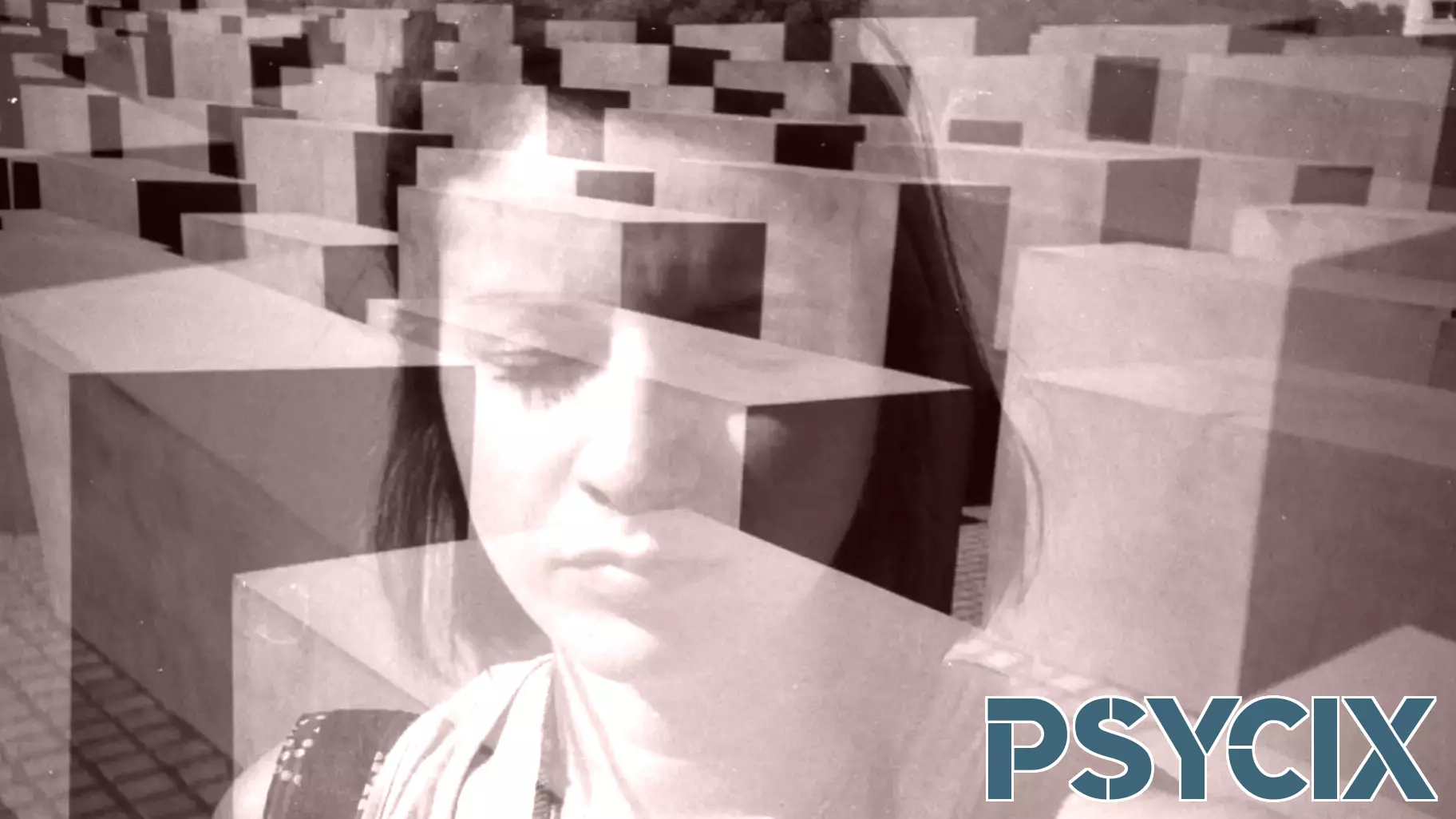
New research sheds light on a troubling feature of traumatic memories: the brain can process them as if the event is unfolding in the present moment. Scientists have long observed that people with post-traumatic stress disorder often feel as though they are re-experiencing a past horror, complete with the same fear and physical reactions. A recent study offers a neurological explanation for this phenomenon.
The key lies in how the brain's prediction systems work. Normally, the brain uses past experiences to anticipate what might happen next. After a trauma, this system becomes stuck. Instead of treating the memory as a past event, the brain continues to generate predictions of danger based on that single, powerful experience. This means that even a harmless trigger - a sound, a smell, or a location - can activate the same neural pathways that were active during the original trauma.
Researchers found that in people with PTSD, the hippocampus, which helps place memories in time and context, fails to properly signal that the threat is over. Meanwhile, the amygdala, the brain's fear center, remains hyperactive. This disconnect causes the body to react as if the danger is still present. The findings help explain why the brain continues predicting danger long after the traumatic event has passed.
Understanding this mechanism could reshape how we treat PTSD. Current therapies often focus on talking through the memory, but these results suggest that retraining the brain's prediction system might be more effective. By helping the brain learn that certain cues no longer signal danger, clinicians could reduce the intensity of flashbacks and intrusive thoughts. The study offers hope for more targeted treatments that address the root cause of why traumatic memories feel so immediate and inescapable.
MORE NEWS

October 27, 2026 - 22:16
Rethinking Your Space Without Breaking the BankImproving your spaces doesn`t need to be expensive or fancy. It just needs a little reorganizing. That simple idea sits at the heart of a growing interest in how our surroundings shape the way we...
October 27, 2026 - 00:10
Why We Are Drawn to Stories About Ordinary People Doing Terrible ThingsThe Stanford prison experiment has fascinated the public for decades, and it keeps returning in new forms. A new Netflix production revisits the notorious 1971 study, in which college students were...
October 26, 2026 - 00:43
Creators of "The New Stanford Prison Experiment" Explain Its Surprising ConclusionThe finale of `The New Stanford Prison Experiment` takes a far more hopeful turn than the original 1971 study led by Stanford psychology professor Philip Zimbardo. That first iteration of the...

October 25, 2026 - 02:32
Study Links Peer Victimization to Negative Self-Image in TeensTeenagers who experience bullying and other forms of peer victimization tend to develop more negative views of themselves as they move through adolescence, according to new research. The study...