Study Finds Seniors Have Fewer Regrets Than Younger People
May 7, 2026 - 17:52
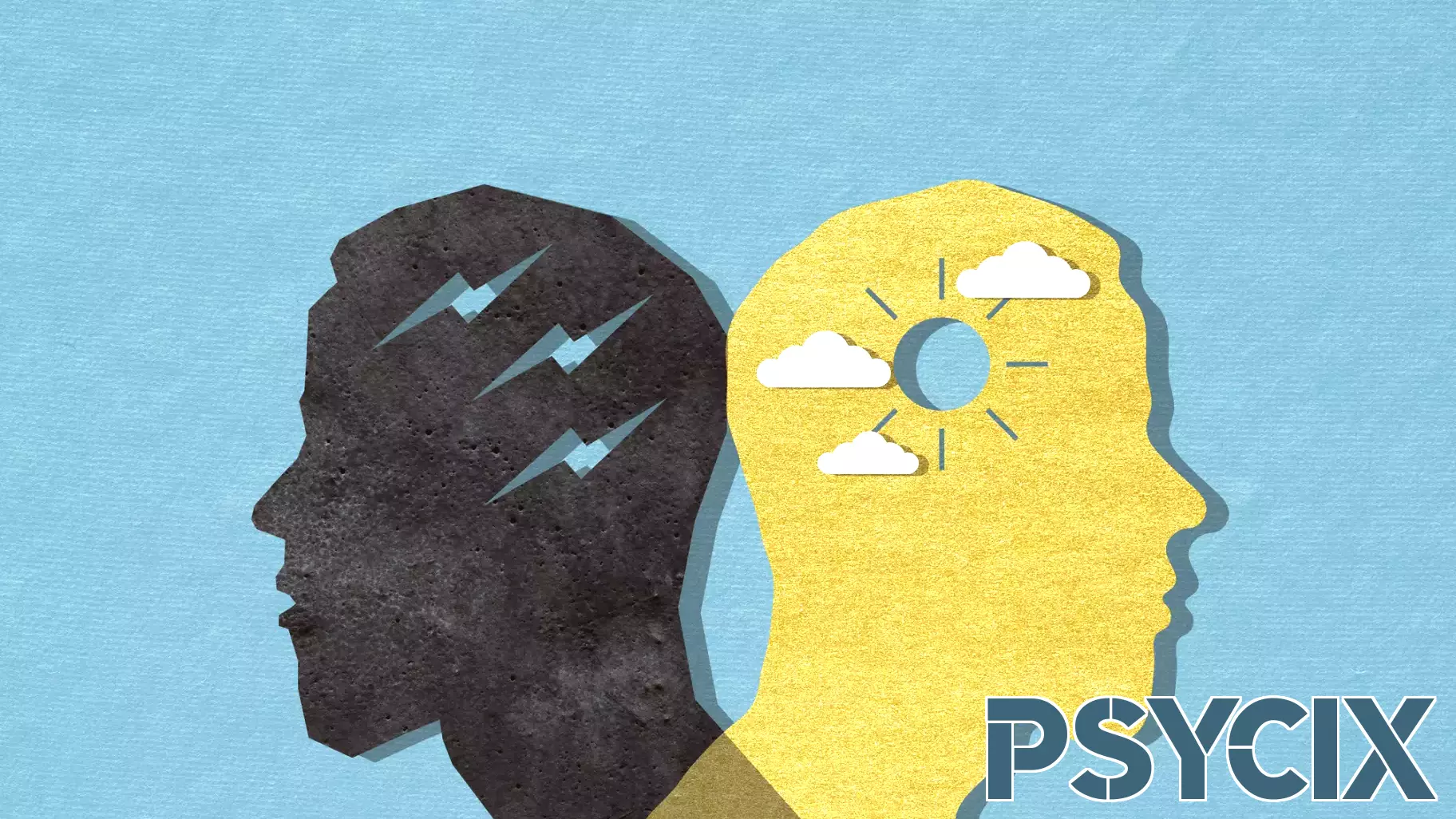
A recent study suggests that getting older comes with an unexpected emotional perk: fewer regrets. Researchers found that older adults tend to feel less distress about past mistakes compared to their younger counterparts. The findings offer a fresh perspective on how aging reshapes our relationship with the choices we have made.
The study, conducted by a team of psychologists, surveyed participants across different age groups. Younger adults, particularly those in their twenties and thirties, reported more frequent and intense feelings of regret over decisions related to education, careers, and relationships. In contrast, seniors in their sixties and beyond showed a marked decline in such negative emotions. They were more likely to accept their past actions, even the ones that did not turn out well.
Why does this shift happen? Researchers point to several factors. As people age, they often develop better emotional regulation skills. Life experience teaches them that not every decision leads to a perfect outcome, and that is okay. Older adults also tend to focus more on the positive aspects of their lives, a phenomenon known as the positivity effect. They prioritize emotional satisfaction over dwelling on missed opportunities.
The study also found that seniors reframe their regrets in a healthier way. Instead of seeing a failed job or a broken relationship as a permanent mark of failure, they view it as a lesson or a necessary step in their personal journey. This change in perspective reduces the sting of regret and allows for greater peace of mind.
While the research does not suggest that aging eliminates all regrets, it highlights a natural psychological evolution. For younger people struggling with past mistakes, the study offers a hopeful message: time may not heal all wounds, but it can soften them. The ability to let go of regret appears to be one of the quieter benefits of growing older.
MORE NEWS

September 19, 2026 - 22:59
Psychology says people who feel nothing is fun anymore usually have 6 habits that make it fun againThere are stretches of life when everything that used to feel enjoyable starts to feel flat. Hobbies sit untouched. Plans with friends sound exhausting. Even the things you once looked forward to...

September 19, 2026 - 01:14
Psychology says employees who call in sick even when they really need personal leave may be responding toThat is the takeaway from a growing body of psychological research on how workers manage the gap between what they need and what their employers will accept. Employees are often conscious of how...

September 18, 2026 - 08:45
Psychology says people who stand in queue for hours to buy an iPhone aren't necessarily Apple fans, they mEvery September, crowds gather outside Apple stores around the world. Some arrive days early, armed with camping chairs and portable chargers. The behavior puzzles observers who note that the same...

September 17, 2026 - 20:04
My holiday is still a year away. It’s already boosting my mental healthThe countdown has begun, even if the calendar says otherwise. We are still months from ordering our first suspiciously expensive waterside cocktail, but Greece has joyfully entered the group chat....