Can an unhappy marriage make a parent lean emotionally on a child? What this psychology study found
May 7, 2026 - 07:08
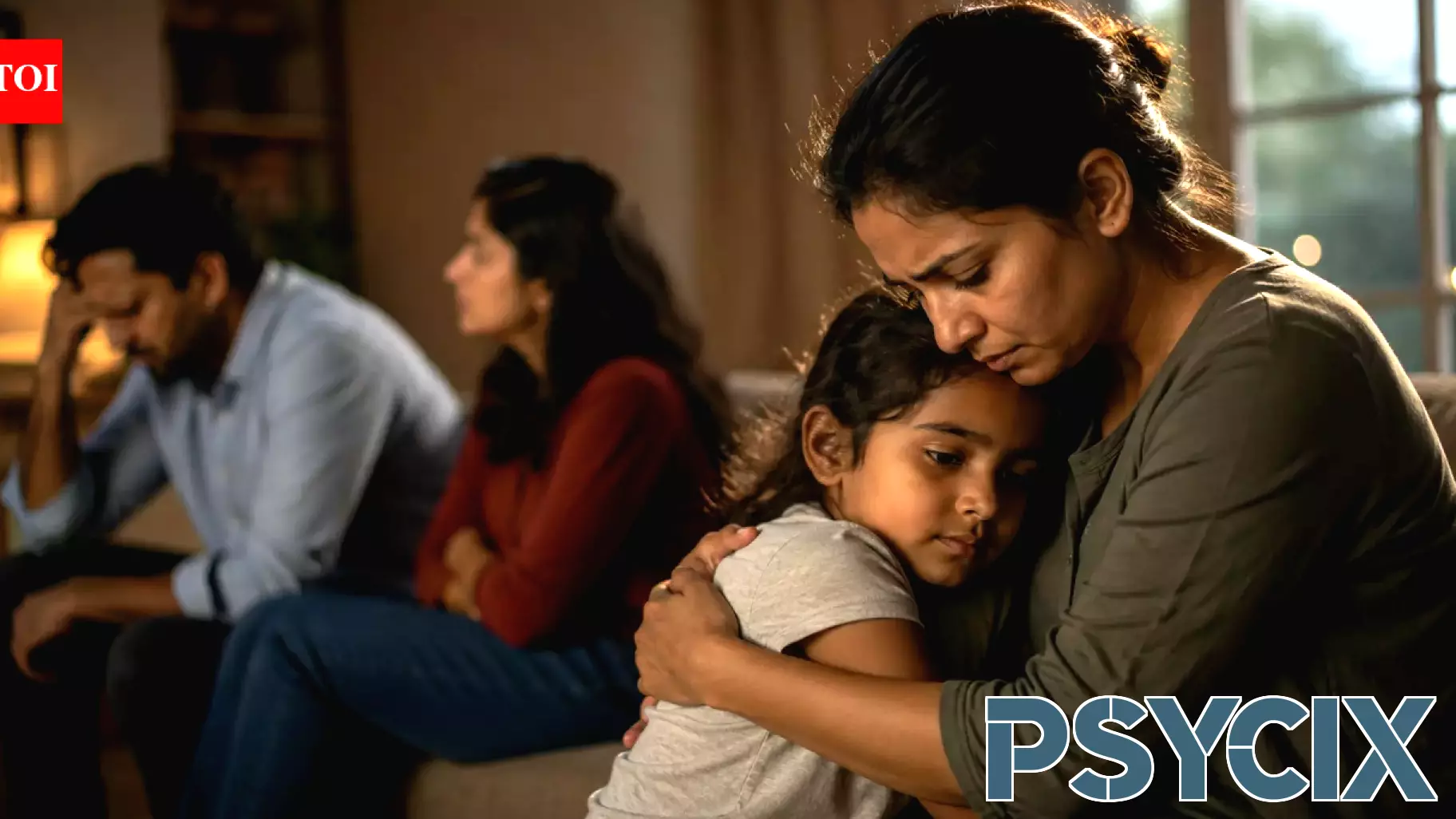
Family life rarely stays neatly divided into separate compartments. When a marriage becomes emotionally strained, the effects often ripple through the household, sometimes landing squarely on the children. A recent psychology study sheds light on a specific pattern: parents in unhappy marriages may turn to their kids for emotional support, a dynamic that can blur important boundaries.
Researchers found that when adults feel disconnected or unsupported by their spouse, they sometimes seek comfort, companionship, or even advice from their children. This is not the same as healthy family closeness. Instead, it places the child in a role they are not equipped to handle. The study suggests that this "emotional parentification" can lead to increased anxiety and stress for the child, who may feel responsible for a parent's happiness.
The findings highlight how marital dissatisfaction does not stay contained. It reshapes the emotional landscape of the home. Children, especially older ones, may begin to act as confidants or mediators, taking on burdens that should belong to adults. While a parent's instinct to connect with their child is natural, the study warns that relying on a child to fill the emotional gap left by a partner can undermine the child's own development and sense of security.
Experts recommend that parents recognize these patterns and seek support from friends, therapists, or support groups instead of leaning on their children. The takeaway is clear: a strained marriage needs adult solutions, not child-sized fixes.
MORE NEWS

September 19, 2026 - 01:14
Psychology says employees who call in sick even when they really need personal leave may be responding toThat is the takeaway from a growing body of psychological research on how workers manage the gap between what they need and what their employers will accept. Employees are often conscious of how...

September 18, 2026 - 08:45
Psychology says people who stand in queue for hours to buy an iPhone aren't necessarily Apple fans, they mEvery September, crowds gather outside Apple stores around the world. Some arrive days early, armed with camping chairs and portable chargers. The behavior puzzles observers who note that the same...

September 17, 2026 - 20:04
My holiday is still a year away. It’s already boosting my mental healthThe countdown has begun, even if the calendar says otherwise. We are still months from ordering our first suspiciously expensive waterside cocktail, but Greece has joyfully entered the group chat....

September 17, 2026 - 15:41
The 'Hibernation Instinct' Is Real — This Is the Psychology Behind the Desire to Hunker Down When the Weather Starts to ShiftThe urge to retreat indoors when temperatures drop is not laziness. It is biology. Researchers describe a hibernation instinct that lingers in humans, a leftover from ancestors who conserved energy...