Rethinking the Stanford Prison Experiment: A Kinder Take on a Dark Chapter
October 21, 2026 - 11:59
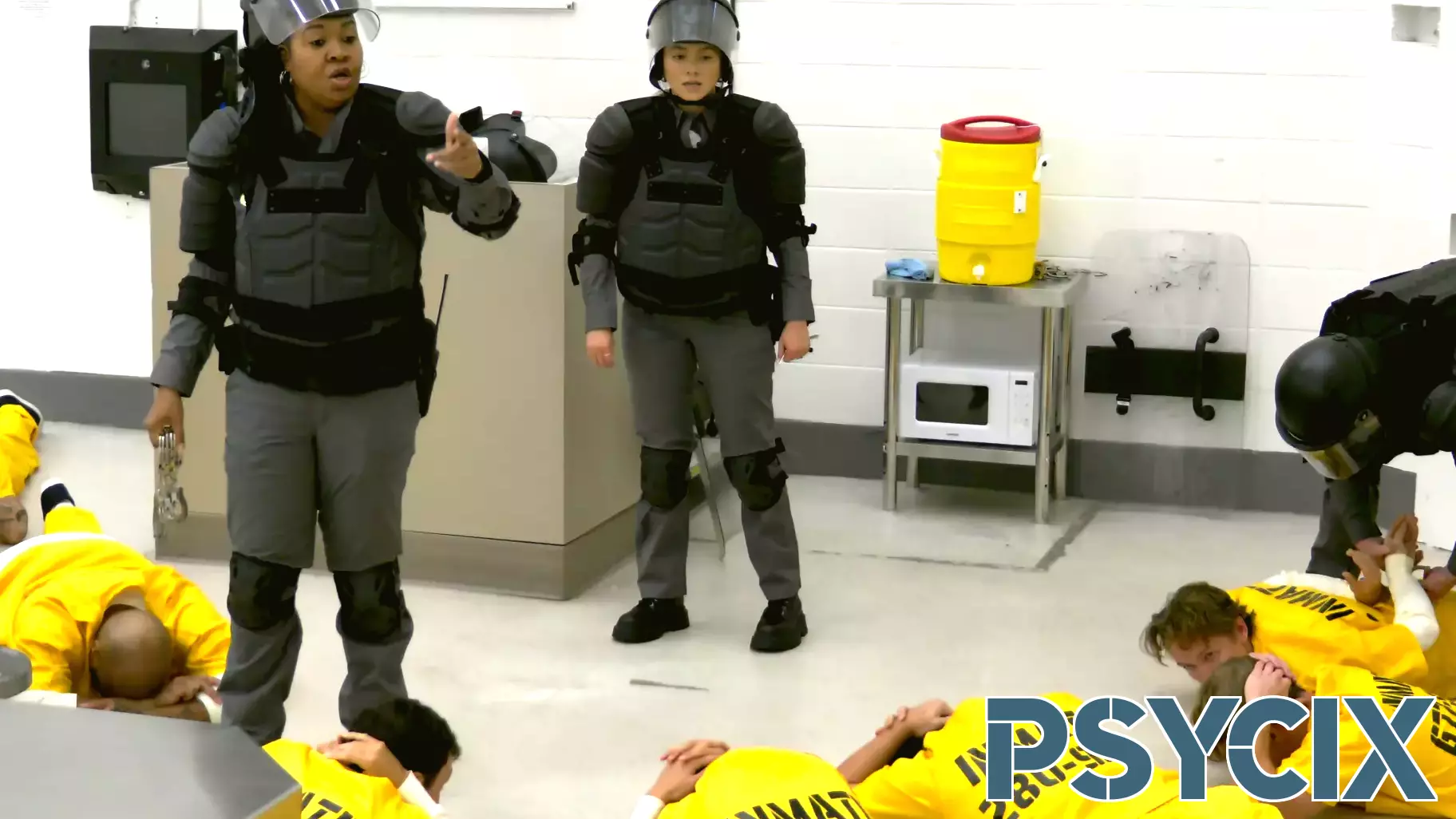
The decision to revisit the notorious 1971 Stanford Prison Experiment for a new audience initially sparked widespread criticism. Many questioned why anyone would want to dramatize a study that went so badly wrong, one that became a cautionary tale about the dangers of unchecked authority and the darker sides of human nature. Yet the resulting production offers something unexpected: a surprisingly warm and humanistic look at the people behind the controversy.
Rather than leaning into scenes of psychological cruelty, the story shifts its focus toward the relationships and ethical questions that surrounded the original research. The atmosphere feels less like a descent into torture and more like a meditation on surveillance, control, and the quiet ways people resist dehumanizing systems. Handcuffs and observation rooms appear, but they serve as backdrop rather than spectacle.
What emerges is a portrait of individuals grappling with their roles and responsibilities. The narrative gives space to reflection, doubt, and small moments of connection that complicate the grim legacy of the study. Viewers expecting shock value may be surprised by the restraint and empathy on display. Instead of exploiting the suffering of participants, the production asks what can be learned when we treat people with dignity, even in the most controlled environments. It is a thoughtful reconsideration of a story many thought they already understood.
MORE NEWS

October 20, 2026 - 21:20
Which Generation Really Deserves the Snowflake Label? Science Offers a Surprising AnswerThe answer isn`t quite as simple as you might think, with some complexities in the story. The term `snowflake` has become a favorite insult tossed between generations, usually aimed at younger...

October 20, 2026 - 14:36
Psychological Strain of Menopause Linked to Higher Job Turnover Among WomenTurnover related to menopause has become a critical global socioeconomic challenge, affecting female career longevity and organizational productivity. New research suggests that the psychological...
October 19, 2026 - 21:05
Gen Z Swaps Instant Messages for Handwritten LettersA growing number of young people are setting aside chat apps in favor of paper, envelopes, and stamps. What began as a small trend on social media has turned into a genuine hobby for many in Gen Z,...

October 19, 2026 - 13:16
Why We Put Off Important Tasks Even When We Know They MatterYou know you have to get it done, yet you keep putting it off. The therapist explains why we procrastinate. Procrastination is often mistaken for laziness, but therapists say the behavior is...