Research Highlights Connection Between Mental Health and Recovery in Older Women After Hip Fractures
January 30, 2025 - 18:31
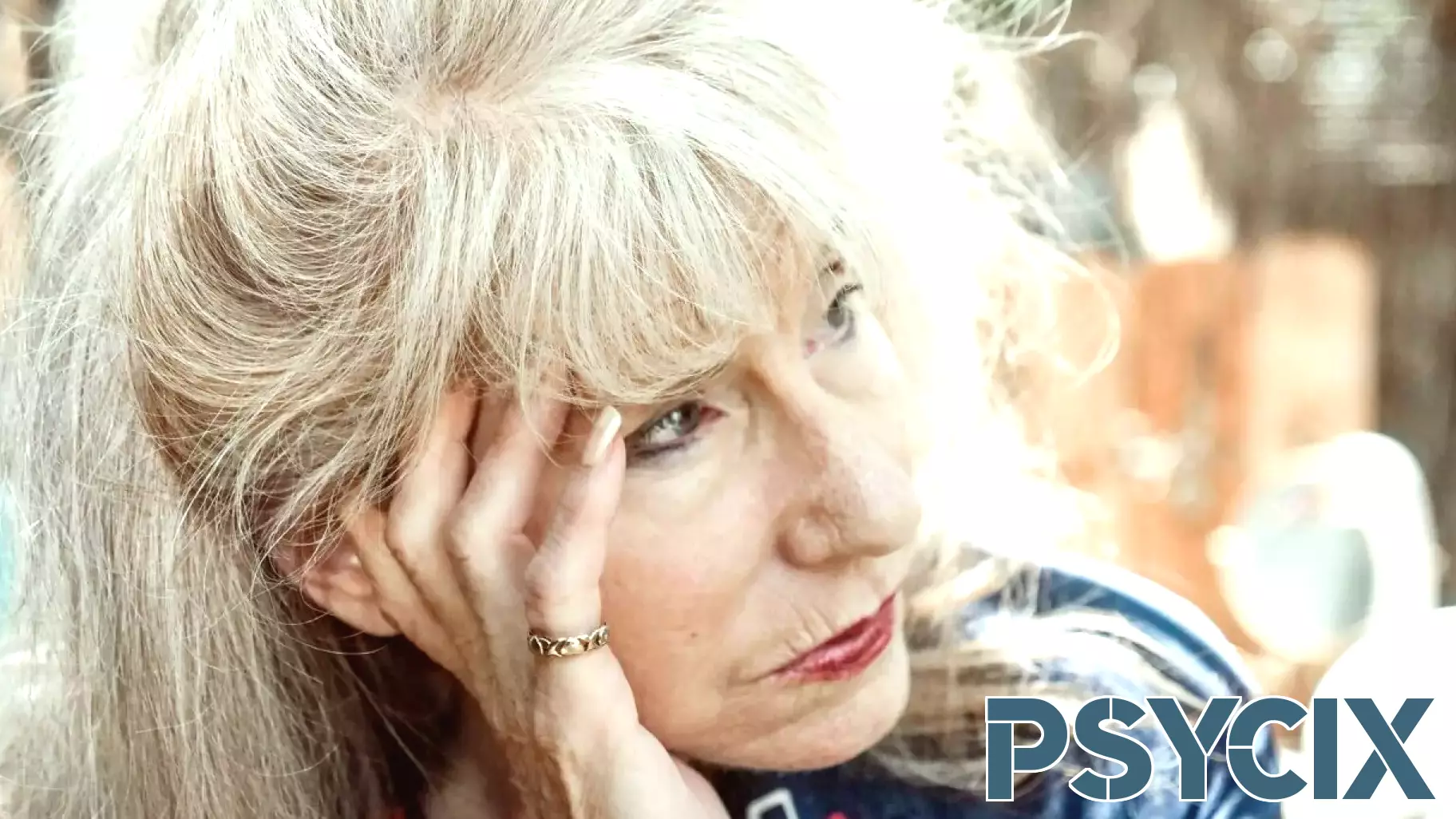
New research aimed at identifying factors associated with improved outcomes for older adults recovering from hip fractures has revealed a significant link between mental health and psychological resilience. This study specifically focused on older women, who are often more vulnerable to both physical and mental health challenges following such injuries.
The findings indicate that women who exhibit higher levels of psychological resilience tend to experience better recovery outcomes. These individuals are more likely to engage in rehabilitation activities and maintain a positive outlook during their recovery process. The research emphasizes the importance of addressing mental health issues in conjunction with physical rehabilitation, suggesting that healthcare providers should integrate psychological support into recovery plans.
This connection underscores the need for a holistic approach to recovery that includes mental health assessments and interventions. As the population ages, understanding these dynamics becomes increasingly crucial in improving the quality of life for older adults facing the challenges of recovery after a hip fracture.
MORE NEWS

October 8, 2026 - 15:57
Imitation Is How Children Learn More Than Just WordsWhen a toddler suddenly starts echoing a parent`s words, facial expressions or gestures, it can look like simple mimicry. Developmental psychology research, however, shows that imitation is closely...
October 7, 2026 - 21:42
Geisinger Excited About Teaching at SCCKate Geisinger has joined Southeastern Community College as a full-time psychology instructor, bringing with her a strong commitment to student learning and intellectual growth. Geisinger says her...

October 7, 2026 - 03:39
Associate professor of psychology brings evidence-based mental wellness support directly to college studentsKaileigh Byrne, Wallace R. Roy Distinguished Associate Professor of psychology in the College of Behavioral, Social and Health Sciences, has spent years studying how people make decisions under...

October 6, 2026 - 01:22
Inside the Mind: How SailGP Teams Handle Pressure and Build Winning CulturesThe human side of elite sailing takes center stage in the newest chapter of SailGP`s documentary series Racing on the Edge, created alongside Rolex. This installment shifts focus away from boat...