Punch the monkey and his plushie re-create a famous psychological experiment
March 3, 2026 - 18:33
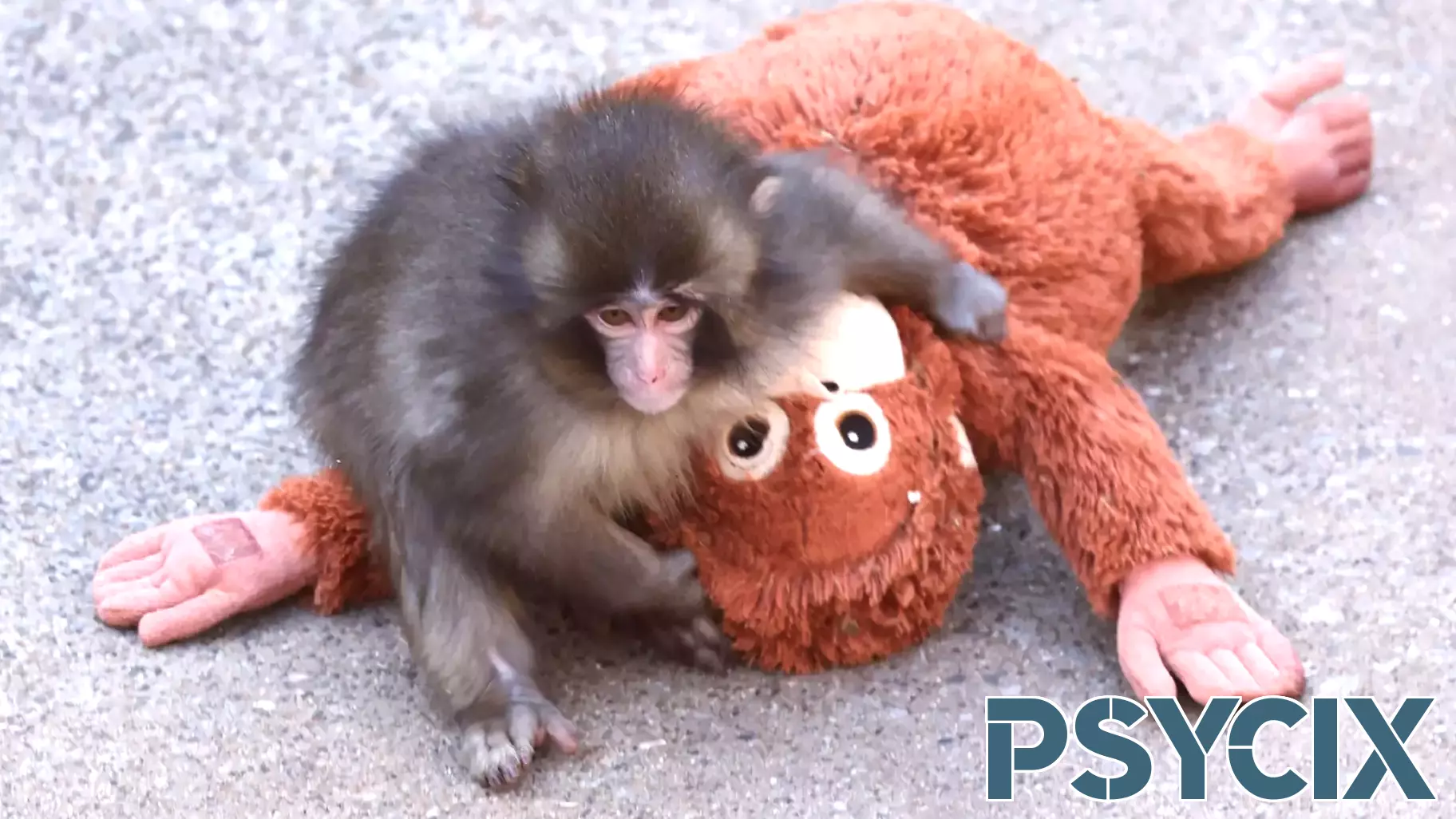
The heartwarming story of Punch, a baby monkey abandoned by his mother at a Japanese zoo, has captivated global audiences. His caregivers, noticing his distress, introduced an unexpected source of comfort: a plush toy monkey. The tender images of Punch clinging to the soft doll have drawn striking parallels to a famous psychological study from the mid-20th century.
The scenario is reminiscent of the groundbreaking "surrogate mother" experiments conducted by Harry Harlow. In his research, infant rhesus monkeys were presented with two surrogate mothers: one made of wire that provided food, and another covered in soft cloth that offered no nourishment. The young monkeys overwhelmingly preferred the comforting cloth mother, especially in frightening situations, demonstrating that comfort and attachment are fundamental needs beyond just food.
Punch’s instinctive embrace of his plush companion appears to be a real-world echo of this foundational work. His behavior underscores the universal and primal need for tactile comfort and security. While conducted under vastly different circumstances, the parallel highlights how core emotional needs manifest across species. The zoo staff reports that the toy has provided Punch with significant emotional stability as they continue to care for him, offering a poignant, modern testament to the enduring truths uncovered by classic psychological science.
MORE NEWS

October 15, 2026 - 09:50
Psychology study finds children with more severe social anxiety often have parents who offer repeated reassurance or help them avoid stressful situationsParents often try to calm an anxious child by offering repeated reassurance, changing family routines or helping the child sidestep situations that cause distress. These responses can bring relief...

October 14, 2026 - 21:19
Year-Round Daylight Saving Time Would Mean Darker Winter Mornings, Professor WarnsA psychology professor is raising concerns about the push to make Daylight Saving Time permanent, warning that the change would force residents to endure extended periods of darkness during the...

October 14, 2026 - 16:09
When AI becomes a tool for psychological manipulation: A new challenge for digital security.Artificial intelligence is reshaping how criminals target and control their victims. What once required a skilled con artist can now be automated, scaled, and disguised as a friendly voice or a...

October 13, 2026 - 23:44
Gold Award Girl Scout Organizes Psychology Expo for High School StudentsA local scout has achieved the highest recognition available in her organization by creating a resource for students navigating mental health challenges. Hayley Elisa Castro from Long Valley was...