7 Psychological Benefits of Gardening, Psychologist Reveals
May 31, 2026 - 16:08
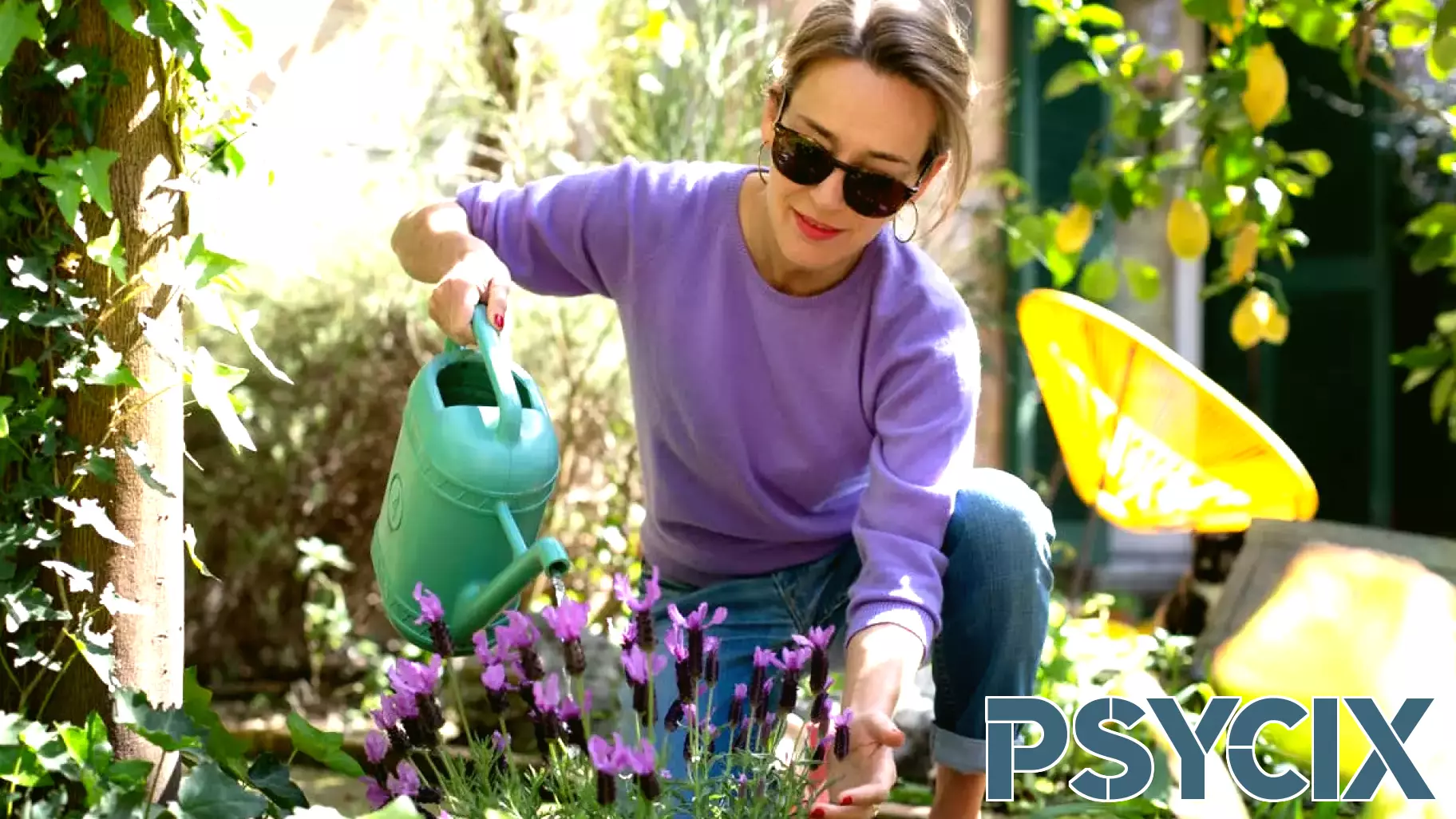
A psychologist has highlighted seven psychological benefits of gardening, suggesting that just half an hour of tending to plants can have a profound effect on mental well-being. The findings frame gardening not just as a hobby, but as a form of accessible therapy that nurtures the mind as much as the soil.
According to the expert, the act of gardening engages multiple senses and encourages a state of mindfulness. Focusing on the texture of soil, the scent of herbs, or the sight of a blooming flower pulls attention away from anxious thoughts and into the present moment. This sensory immersion acts as a natural reset for a cluttered mind.
Another key benefit is the sense of accomplishment and control that comes from nurturing a living thing. In a world where many outcomes feel uncertain, watching a seed sprout or a plant thrive provides tangible proof of effort and patience. This can be especially grounding for individuals dealing with stress or feelings of helplessness.
The psychologist also noted that even brief exposure to sunlight during gardening helps regulate the body's internal clock and boosts vitamin D levels, which are linked to mood regulation. The gentle, repetitive motions of weeding, planting, or watering can also lower cortisol levels, the body's primary stress hormone.
Beyond the individual, gardening can foster a sense of connection to the larger cycle of life, reducing feelings of isolation. The simple act of caring for something outside of oneself builds resilience and provides a quiet, consistent routine. For many, those 30 minutes in the garden become a daily dose of water and sunlight for the spirit.
MORE NEWS

October 13, 2026 - 23:44
Gold Award Girl Scout Organizes Psychology Expo for High School StudentsA local scout has achieved the highest recognition available in her organization by creating a resource for students navigating mental health challenges. Hayley Elisa Castro from Long Valley was...

October 13, 2026 - 08:32
Genetic scores linked to depression and neuroticism are associated with lower voter turnoutA new study suggests that your DNA might have a say in whether you show up at the polls. Researchers analyzing data from more than 50,000 individuals have found that genetic predispositions linked...

October 12, 2026 - 19:44
Parenting in the Digital Age: Managing Tech AnxietyEmily Oster, an economist and author known for her data driven approach to parenting, recently addressed the growing concern many families feel about raising children surrounded by technology. She...

October 12, 2026 - 07:27
When Couples Drift Into Roommate TerritoryMany partners can point to the moment it started, or at least the feeling that something shifted. You share a home, divide the chores and trade updates about your day, but the spark and the sense...