Please Don’t Compliment Me on My Weight Loss
March 8, 2026 - 23:29

A seemingly innocent compliment like "You look amazing, have you lost weight?" can carry unintended consequences, reinforcing societal stigma and complicating journeys of healing. For many, especially those in recovery from eating disorders, such praise can be deeply triggering, tying self-worth directly to body size and validating often-harmful behaviors.
This type of comment also makes assumptions that weight loss is always intentional, healthy, or desirable. In reality, it can be a symptom of grief, illness, stress, or mental health struggles. By focusing on body size, these remarks perpetuate the idea that thinner is inherently better, a bias that impacts individuals across the spectrum of body types.
Advocates and healthcare professionals encourage shifting the focus of compliments away from appearance altogether. Celebrating non-physical attributes—someone’s energy, creativity, or kindness—fosters a more inclusive and supportive environment. It acknowledges that health and worth are not visible metrics and that a person’s value extends far beyond their physical shape. The goal is to cultivate a culture where we see the whole person, not just a body that fits a narrow ideal.
MORE NEWS

October 21, 2026 - 11:59
Rethinking the Stanford Prison Experiment: A Kinder Take on a Dark ChapterThe decision to revisit the notorious 1971 Stanford Prison Experiment for a new audience initially sparked widespread criticism. Many questioned why anyone would want to dramatize a study that went...

October 20, 2026 - 21:20
Which Generation Really Deserves the Snowflake Label? Science Offers a Surprising AnswerThe answer isn`t quite as simple as you might think, with some complexities in the story. The term `snowflake` has become a favorite insult tossed between generations, usually aimed at younger...

October 20, 2026 - 14:36
Psychological Strain of Menopause Linked to Higher Job Turnover Among WomenTurnover related to menopause has become a critical global socioeconomic challenge, affecting female career longevity and organizational productivity. New research suggests that the psychological...
October 19, 2026 - 21:05
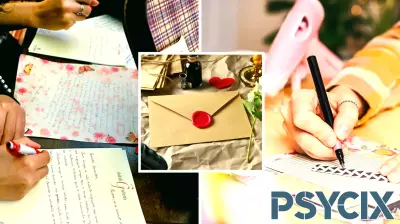
Gen Z Swaps Instant Messages for Handwritten LettersA growing number of young people are setting aside chat apps in favor of paper, envelopes, and stamps. What began as a small trend on social media has turned into a genuine hobby for many in Gen Z,...