Personal Perspective: Insights from Leadership and Safety Training in the Saudi Desert
May 14, 2025 - 14:46
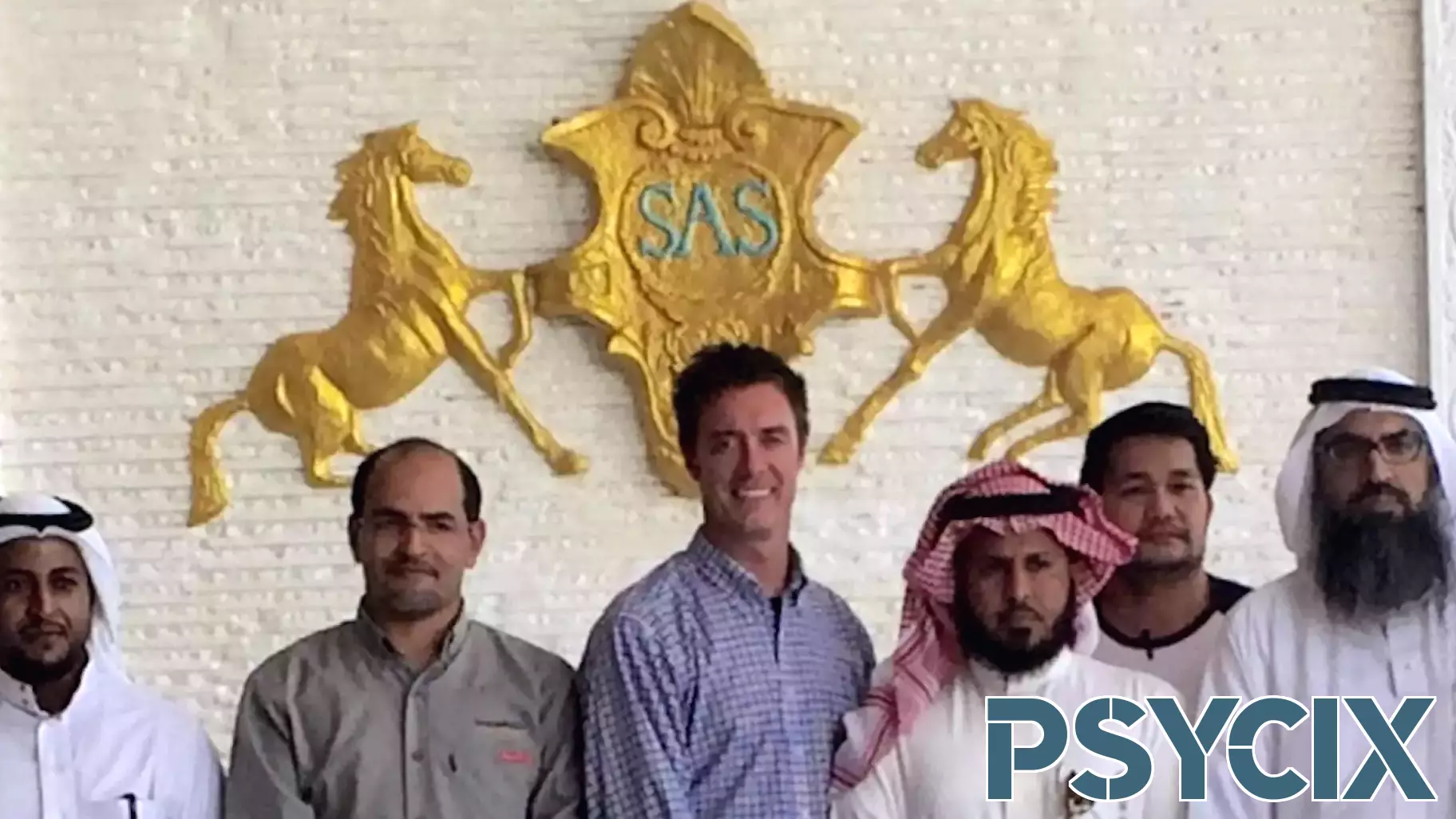
In a unique cross-cultural experience, a U.S. psychologist recently shared valuable lessons learned while teaching leadership and safety on a worksite in Saudi Arabia. The harsh and demanding environment of the desert provided a backdrop for exploring the intricate dynamics of teamwork and resilience in high-pressure situations.
During the training sessions, the psychologist emphasized the importance of effective communication and trust among team members. Participants engaged in various activities designed to enhance their understanding of leadership roles and the significance of prioritizing safety in the workplace. The psychologist noted that the cultural context greatly influenced the participants' perspectives on leadership, highlighting the need for adaptability in teaching methods.
Moreover, the experience underscored the universal challenges of fostering a safe work environment, regardless of geographical location. By blending psychological principles with practical applications, the training aimed to empower workers to take ownership of their safety and well-being. Ultimately, this journey in the Saudi desert revealed profound insights into the human psyche and the critical role of leadership in shaping workplace culture.
MORE NEWS

October 8, 2026 - 15:57
Imitation Is How Children Learn More Than Just WordsWhen a toddler suddenly starts echoing a parent`s words, facial expressions or gestures, it can look like simple mimicry. Developmental psychology research, however, shows that imitation is closely...

October 7, 2026 - 21:42
Geisinger Excited About Teaching at SCCKate Geisinger has joined Southeastern Community College as a full-time psychology instructor, bringing with her a strong commitment to student learning and intellectual growth. Geisinger says her...

October 7, 2026 - 03:39
Associate professor of psychology brings evidence-based mental wellness support directly to college studentsKaileigh Byrne, Wallace R. Roy Distinguished Associate Professor of psychology in the College of Behavioral, Social and Health Sciences, has spent years studying how people make decisions under...

October 6, 2026 - 01:22
Inside the Mind: How SailGP Teams Handle Pressure and Build Winning CulturesThe human side of elite sailing takes center stage in the newest chapter of SailGP`s documentary series Racing on the Edge, created alongside Rolex. This installment shifts focus away from boat...