FSU Educator Honored as a Fellow of the American Psychological Association
August 13, 2025 - 07:12
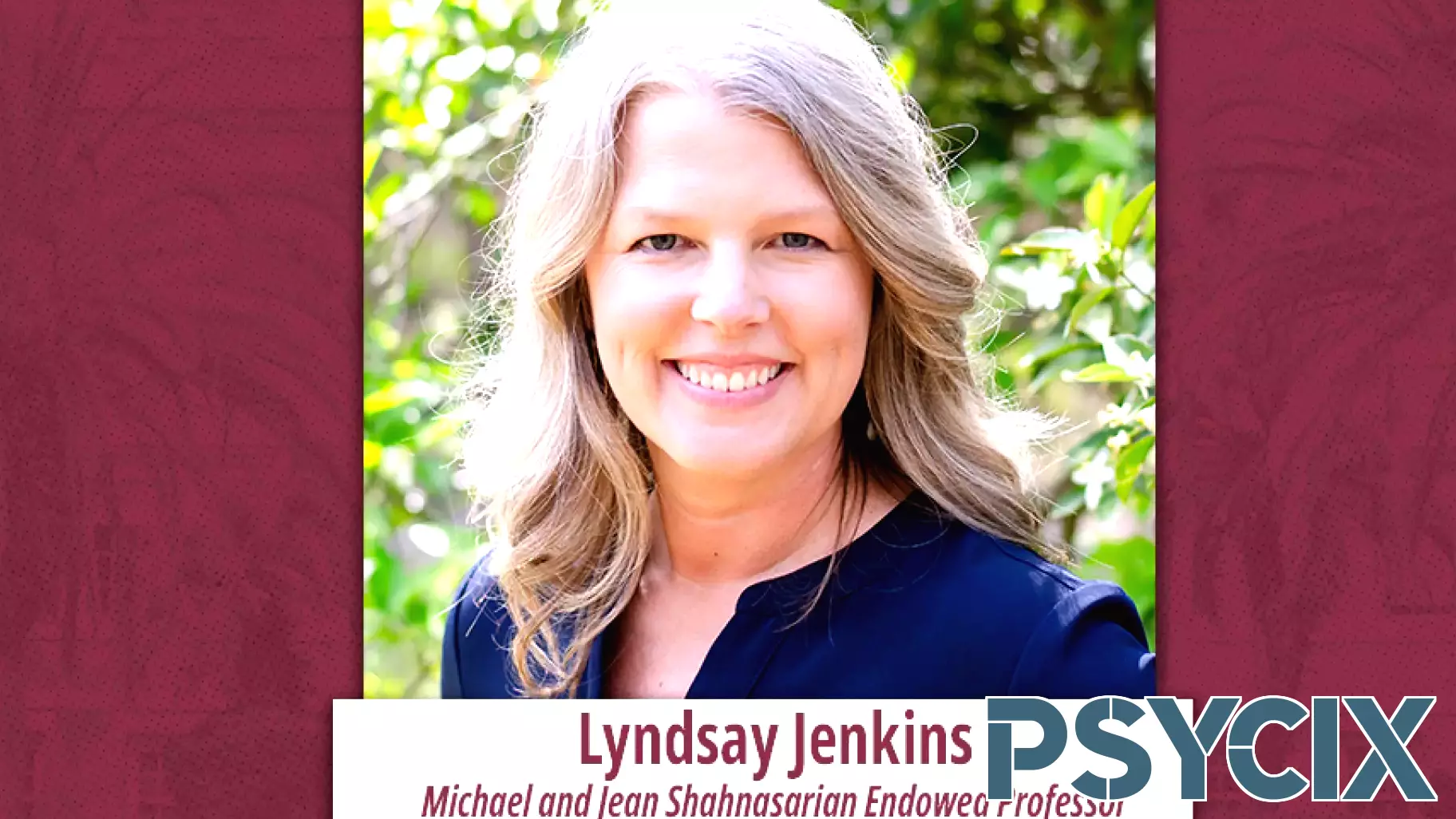
Lyndsay Jenkins, the Michael and Jean Shahnasarian Endowed Professor at the Anne Spencer Daves College of Education, Health, and Human Sciences, has been elected as a Fellow of the American Psychological Association (APA). This prestigious recognition is awarded to individuals who have made significant contributions to the field of psychology, demonstrating excellence in research, education, and professional practice.
Jenkins' election as a Fellow highlights her extensive work in the areas of educational psychology and her commitment to advancing the understanding of learning processes. Her research has focused on the intersection of cognitive development and educational practices, influencing both academic theory and classroom application.
In addition to her research contributions, Jenkins is known for her dedication to mentoring students and fostering an inclusive learning environment. Her leadership within the academic community and her advocacy for psychological research have earned her respect among peers and students alike. This honor not only reflects her individual achievements but also underscores the importance of psychological research in educational settings.
MORE NEWS

October 9, 2026 - 01:11
Psychology Professors Raise Concerns About AI Dependence in StudentsPsychology professors are expressing growing concern that students` increasing reliance on artificial intelligence tools may be weakening essential cognitive and academic skills. In a recent...

October 8, 2026 - 15:57
Imitation Is How Children Learn More Than Just WordsWhen a toddler suddenly starts echoing a parent`s words, facial expressions or gestures, it can look like simple mimicry. Developmental psychology research, however, shows that imitation is closely...
October 7, 2026 - 21:42
Geisinger Excited About Teaching at SCCKate Geisinger has joined Southeastern Community College as a full-time psychology instructor, bringing with her a strong commitment to student learning and intellectual growth. Geisinger says her...

October 7, 2026 - 03:39
Associate professor of psychology brings evidence-based mental wellness support directly to college studentsKaileigh Byrne, Wallace R. Roy Distinguished Associate Professor of psychology in the College of Behavioral, Social and Health Sciences, has spent years studying how people make decisions under...