10 Days Without Reward: Latent Learning Explained in 2026
September 7, 2026 - 02:05

For decades, psychology textbooks have leaned on a simple rat maze experiment to explain latent learning. The idea is that we absorb information about our environment without any obvious reward, and that knowledge only surfaces later when we actually need it. In 2026, that old concept is getting a fresh look, and researchers say it matters more than ever for how we understand human habits, digital behavior, and even workplace training.
The classic study, tied to psychologist Edward C. Tolman, involved rats wandering a maze with no food at the end. They seemed to learn nothing. But once food was introduced, those same rats suddenly outperformed others that had been rewarded from the start. The conclusion was that they had been quietly building a mental map all along. That quiet building is what we now call latent learning.
What is new in 2026 is how researchers are applying this to real life. Instead of just watching rats, they are tracking how people pick up skills without trying. Think about someone who watches a coworker use a software tool for weeks, never touching it themselves, then one day sits down and navigates it with ease. Or a person who walks the same city block daily, never paying attention to storefronts, yet can later recall exactly where a specific shop is when asked.
The shift in thinking is about timing. Latent learning is not a failure to learn. It is learning stored in the background, waiting for a trigger. That trigger might be a sudden problem, a new task, or a change in motivation. The 2026 research focuses on how long that stored knowledge lasts and what conditions help it surface.
One surprising finding is that stress can actually unlock latent learning. When people face a high-stakes situation, they often draw on information they did not consciously memorize. This challenges the old assumption that we only retain what we actively study or practice.
For educators and managers, the takeaway is practical. Forcing immediate performance after every lesson may be counterproductive. Giving people time to explore without pressure, without tests or rewards, might build a stronger foundation than constant drilling. The brain is not a passive recorder. It is always mapping, always filing away details, even when we think we are not paying attention.
Ten days without reward sounds like a long time in a fast-paced world. But the 2026 perspective suggests that those empty days are not wasted. They are the quiet work behind the scenes, the invisible scaffolding for knowledge that will show up when it counts.
MORE NEWS

October 22, 2026 - 01:07
The personality test grows up: Bettermind relaunches with a Mind Blueprint, five minutes a day and an eight-week clockA personality assessment platform is relaunching with a rebuilt system that trades lengthy questionnaires for short daily sessions and a structured timeline. The new approach centers on what the...
October 21, 2026 - 11:59
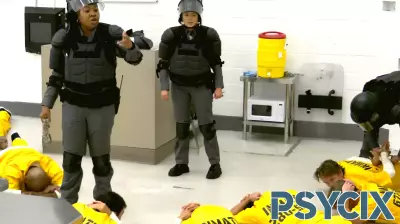
Rethinking the Stanford Prison Experiment: A Kinder Take on a Dark ChapterThe decision to revisit the notorious 1971 Stanford Prison Experiment for a new audience initially sparked widespread criticism. Many questioned why anyone would want to dramatize a study that went...

October 20, 2026 - 21:20
Which Generation Really Deserves the Snowflake Label? Science Offers a Surprising AnswerThe answer isn`t quite as simple as you might think, with some complexities in the story. The term `snowflake` has become a favorite insult tossed between generations, usually aimed at younger...

October 20, 2026 - 14:36
Psychological Strain of Menopause Linked to Higher Job Turnover Among WomenTurnover related to menopause has become a critical global socioeconomic challenge, affecting female career longevity and organizational productivity. New research suggests that the psychological...