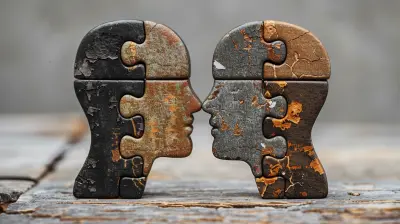
Why Mood Disorders Spike in Adolescence
7 June 2026
Adolescence. That rollercoaster part of life filled with growth spurts, changing voices, first crushes, and an ever-present sense of “What is even happening to me right now?” For many teens, this stage isn’t just confusing—it can be emotionally overwhelming. And it’s no coincidence that this is also when mood disorders often first appear, or suddenly spike. But why?
Let’s take a deep dive into what's really going on beneath the surface during these formative years. We’ll break it all down in simple terms—no fancy psychology jargon, just real talk.
What Exactly Are Mood Disorders?
Before diving into the “why,” let’s get clear on the “what.”Mood disorders, in simplest terms, are mental health conditions that affect a person’s emotional state. We're not talking about the occasional bad day or stressing over finals. We're talking about chronic, persistent emotional turbulence. The two most common types in teens are:
- Depression – deep sadness, hopelessness, loss of interest.
- Bipolar Disorder – mood swings from extreme highs (mania) to crushing lows (depression).
These aren’t rare, by the way. According to mental health studies, around 1 in 5 adolescents experience a diagnosable mental health disorder, and mood disorders are right at the top of that list.
Now onto the big question...
Why Mood Disorders Spike in Adolescence
1. The Teenage Brain Is Under Construction
Think of the adolescent brain like a smartphone mid-software update—it’s kind of working, but definitely not at full function. The prefrontal cortex, the part of the brain responsible for logic, impulse control, and emotional regulation, is still developing.Meanwhile, the amygdala, which controls emotions like fear and anger, is already super active—like a toddler with a sugar rush. So while teens are feeling emotions super intensely, they don't yet have the full brainpower to process or manage them logically.
And what happens when emotions run wild with no brakes? You guessed it—mood instability.
2. Hormones: The Internal Storm
Oh, hormones. Those tiny chemical messengers doing the most.During puberty, the body unleashes a tidal wave of hormones like estrogen and testosterone, and they mess with more than just physical appearance. Hormones impact sleep, energy, appetite, and yes—mood.
Ever heard of the term “hormonal rage” or “mood swings?” Yeah, there's science behind it. This chemical cocktail can make an otherwise minor setback feel like the end of the world.
3. Identity Crisis Central
Adolescence is all about figuring out "Who am I?"—a time of searching, experimenting, and questioning. It can be thrilling... and incredibly disorienting.Teens are developing their identities, values, beliefs, and even sexual orientation. But society, social media, friends, and family all seem to have opinions on who they should be.
This internal and external tug-of-war can generate major stress, anxiety, and self-doubt. And when unresolved? It can lead to long-term emotional struggles.
4. Social Pressures and Fear of Judgment
Let’s not pretend like high school isn't a breeding ground for comparison and judgment.Teens today face insane pressure—to fit in, stand out, succeed academically, look a certain way, be liked on social media… the list goes on.
Add cyberbullying, online shaming, and the pressure to curate the “perfect” image, and it’s no wonder mental health takes a hit.
What happens when someone feels they’re constantly falling short or not good enough? Often, depressive or anxious thoughts start creeping in. Over time, these can spiral into full-blown mood disorders.
5. Sleep Deprivation Is the Norm
Raise your hand if you pulled more all-nighters in high school than during any other period of life (guilty).Teenagers need about 8–10 hours of sleep per night, but the majority don’t get even close. Between school, sports, social life, and late-night TikToks, their sleep schedules are a mess.
And here’s the kicker: lack of sleep disrupts serotonin and dopamine—neurochemicals tied directly to mood and motivation. Simply put, chronic sleep deprivation can mimic or even trigger depression and anxiety symptoms.
6. Academic Pressure and Future Anxiety
“What do you want to do with your life?”That question haunts teenagers everywhere. They're expected to have career goals, apply for colleges, ace tests, and build resumes—all while still figuring out what they do and don’t like.
This kind of pressure can lead to burnout or what some call “quiet despair.” When it keeps building without a break, it can tip the scales into mood disorder territory.
7. Family Dynamics Matter—A Lot
Adolescents are deeply affected by their home environment. Unfortunately, not every teen grows up in a stable or nurturing household.Parental divorce, financial stress, emotional neglect, or even high expectations can create internal chaos. If a teen doesn’t feel emotionally safe or supported at home, they’re more likely to suffer from anxiety, depression, or other mood disruptions.
And even well-meaning parents can unknowingly contribute to the problem by brushing off their child’s emotional distress as "just a phase.”
8. Trauma and Adverse Childhood Experiences (ACEs)
Many teens are carrying emotional baggage they don’t even have words for.Abuse, sexual assault, losing a loved one, living in poverty, or witnessing violence—these are not just “bad memories.” These are traumatic experiences that can literally rewire the brain.
Trauma during adolescence increases the risk of developing mood disorders significantly. It messes with stress hormones and changes how the brain responds to fear, trust, and connection. Mood disorders? Not just likely. Almost expected without proper support.
9. Genetics and Family History
Like it or not, mental health can run in families.If a parent, sibling, or close relative has struggled with a mood disorder like depression or bipolar disorder, the chances that an adolescent will experience similar issues go up. We're not talking about fate—but definitely a raised likelihood.
It's a bit like inheriting a tendency for allergies. You may not have them, but if the conditions line up (stress, lack of sleep, loss), they can flare up.
10. Lack of Coping Skills and Emotional Literacy
Let’s be real—most teens don’t exactly come equipped with healthy coping mechanisms. They may not even know what's going on inside them, let alone how to deal with it.Without guidance on how to manage overwhelming emotions, a breakup can feel like a collapse, or an exam failure can feel like a personal identity crisis.
And unfortunately, some teens turn to unhealthy outlets—like alcohol, drugs, or self-harm—as a way to escape the emotional chaos. Over time, these can feed into deeper psychological issues.
When to Worry: Signs a Teen Might Be Struggling
Parents, teachers, friends—everyone needs to be on high alert when something feels “off.” Moodiness is normal, but some red flags shouldn’t be ignored:- Prolonged sadness or withdrawing from friends
- Changes in sleep or eating habits
- Intense irritability or rage
- Drop in school performance
- Loss of interest in activities they once enjoyed
- Saying things like “I wish I weren’t here” or joking about death
These can all be signs a teen is dealing with something bigger than just teenage angst.
What Can Help: Supporting Teens Through the Storm
1. Normalize Conversations About Mental Health
Adolescents need to hear that it's okay not to be okay. Talking about feelings should be as normal as talking about homework.Open up honest conversations. Sometimes a simple, “Hey, are you really okay?” can open doors.
2. Therapy Isn’t Taboo
There’s still a stigma around seeing a therapist, and honestly, it needs to go. Counseling can be life-changing. Whether it's talk therapy, CBT, or group sessions, the right therapy can give teens tools they’ve never had before.3. Routine, Sleep, and Nutrition Matter
Yeah, it sounds basic, but the basics are powerful. Encouraging better sleep hygiene, balanced meals, and physical activity supports mental health in more ways than we often realize.4. Teach Coping Skills
From journaling and mindfulness to setting boundaries and learning to say no—coping skills are absolutely essential. Emotional intelligence doesn't always come naturally, but it can be taught.5. Limit Screen Time and Foster Real-World Connections
Too much social media can be a breeding ground for insecurity and anxiety. Encourage in-person socializing, hobbies, nature, and activities that bring joy.Final Thoughts
Adolescence is a beautiful, messy, complicated time. It's when people start figuring out who they are—but it’s also when they’re most vulnerable to emotional overwhelm.Mood disorders spiking during these years isn’t a mystery anymore. It's the result of a perfect storm—biological, emotional, societal, and environmental factors all crashing into one sensitive, developing brain.
But here's the good news: With awareness, support, and early intervention, teens don’t have to suffer in silence. They don’t have to “tough it out.” They can heal, grow, and thrive.
So let’s start listening more, judging less, and showing up before it's too late.
all images in this post were generated using AI tools
Category:
Mood DisordersAuthor:

Christine Carter
Discussion
rate this article
1 comments
Arwenia Whitaker
This article effectively highlights the complexities of mood disorders in adolescence. It emphasizes that hormonal changes, social pressures, and identity exploration contribute to vulnerability. However, it would benefit from exploring how familial support and coping strategies can mitigate these challenges during this critical developmental stage.
June 18, 2026 at 2:19 AM
Christine Carter
I appreciate your insights! Familial support and coping strategies are indeed crucial. I'll consider expanding on those aspects in future discussions. Thank you for the suggestion!