The Role of Genetics in Mood Disorders: Nature or Nurture?
15 June 2026
Mood disorders like depression and bipolar disorder are some of the most common mental health conditions worldwide. But have you ever wondered whether these conditions are inherited or shaped by life experiences? This age-old debate—nature vs. nurture—has baffled scientists and psychologists for decades.
Genetics certainly plays a role in mood disorders, but so do environment and life experiences. So, which one is more important? Let’s dive deep into the science and psychology behind mood disorders and uncover the truth. 
Understanding Mood Disorders
Before we delve into genetics, let’s first understand what mood disorders are. These are mental health conditions that primarily affect a person’s emotional state. The most common mood disorders include:- Major Depressive Disorder (MDD): Persistent feelings of sadness, hopelessness, or loss of interest.
- Bipolar Disorder: Extreme mood swings, including manic highs and depressive lows.
- Seasonal Affective Disorder (SAD): Depression that occurs at certain times of the year, often in winter.
These disorders can significantly impact daily life, relationships, and overall well-being. But what causes them? Is it something we inherit, or do external factors shape our mental health? 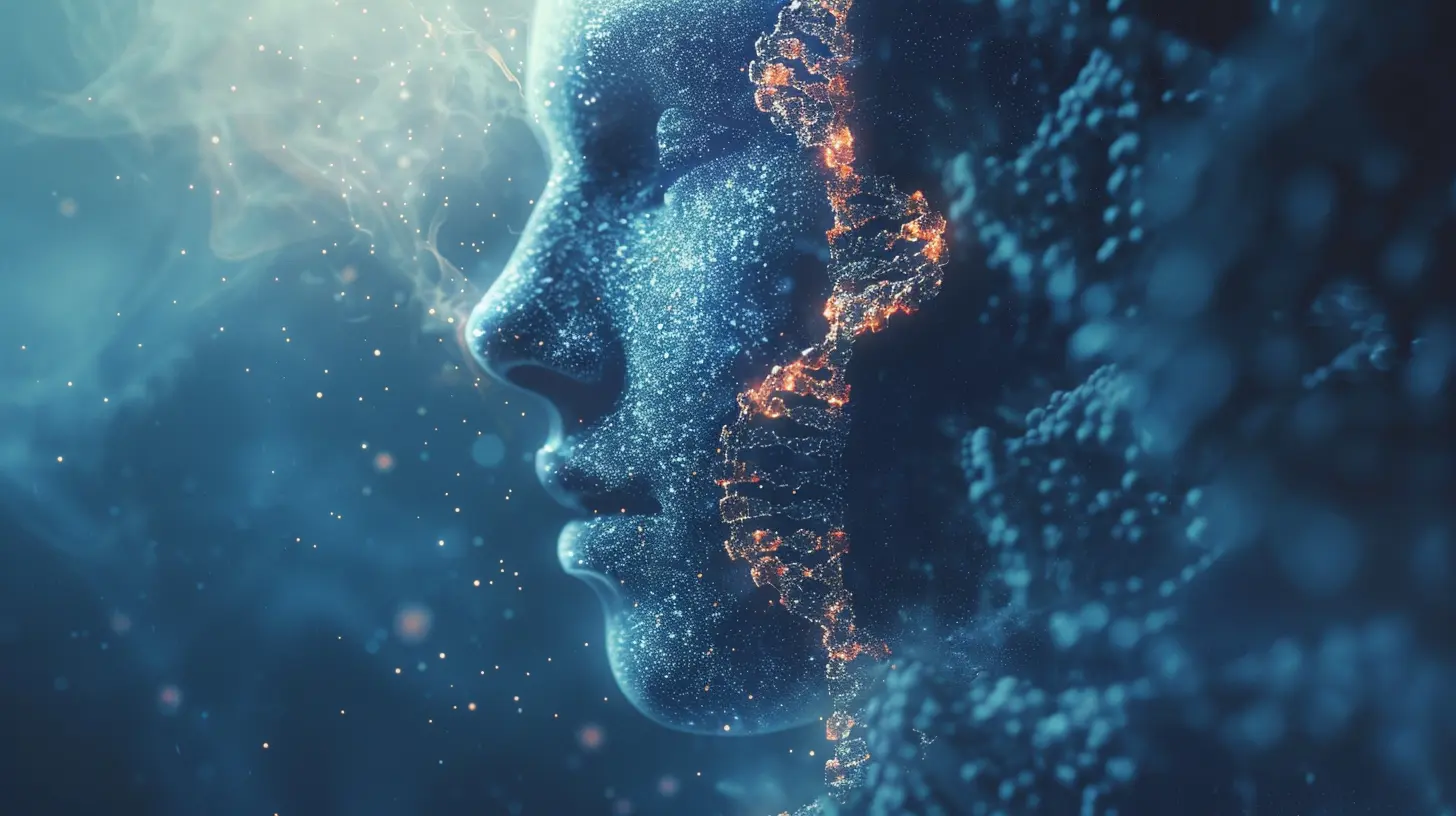
The Role of Genetics in Mood Disorders
How Much of Mood Disorders Are Genetic?
Science tells us that mood disorders often run in families, pointing to genetics as a major factor. Studies on twins, families, and adopted children suggest that genes contribute to about 40-70% of the risk for mood disorders.For example, if one identical twin has bipolar disorder, the other twin has a 40-70% chance of developing it too. That’s quite significant! However, it also means that genetics alone cannot fully explain the development of mood disorders.
The Science Behind Genetic Influence
Researchers have identified multiple genes that may contribute to mood disorders. These genes influence:- Neurotransmitters (like serotonin and dopamine) that regulate mood.
- Brain structure and function, affecting emotional processing.
- Hormonal balance, which impacts stress and mood responses.
One gene often linked to depression is the SERT gene (SLC6A4), which affects serotonin levels in the brain. Variants of this gene can make individuals more or less susceptible to stress and depression.
But here’s the twist—having these "risky" genes does not guarantee that someone will develop a mood disorder. That’s where the environment comes into play. 
Environmental Factors: The Nurture Side of the Debate
Early Life Experiences and Trauma
Your early life experiences shape your brain and emotional resilience. Children who grow up in unstable homes, face abuse, or experience neglect are at a higher risk of developing mood disorders later in life.Even if someone has a genetic predisposition for depression, a nurturing and supportive environment can significantly lower the chances of them developing the disorder.
Stress and Life Events
Ever noticed how some people seem to bounce back from hardships while others struggle? Stressful life events like job loss, divorce, or grief can trigger mood disorders, especially in those who are already genetically vulnerable.This is where the diathesis-stress model comes in—it suggests that people inherit a predisposition (diathesis) for mood disorders, but they only develop them when triggered by significant life stress.
Lifestyle and Social Factors
- Diet and Exercise: Poor nutrition and lack of physical activity are linked to mood disorders. Regular exercise and a healthy diet can help manage symptoms.- Social Support: People with strong social networks tend to have better mental health, even if they have a genetic predisposition to mood disorders.
- Substance Use: Alcohol and drug use can both trigger and worsen mood disorders.
Clearly, our environment plays a crucial role in shaping mental health. But how do genes and environment interact? 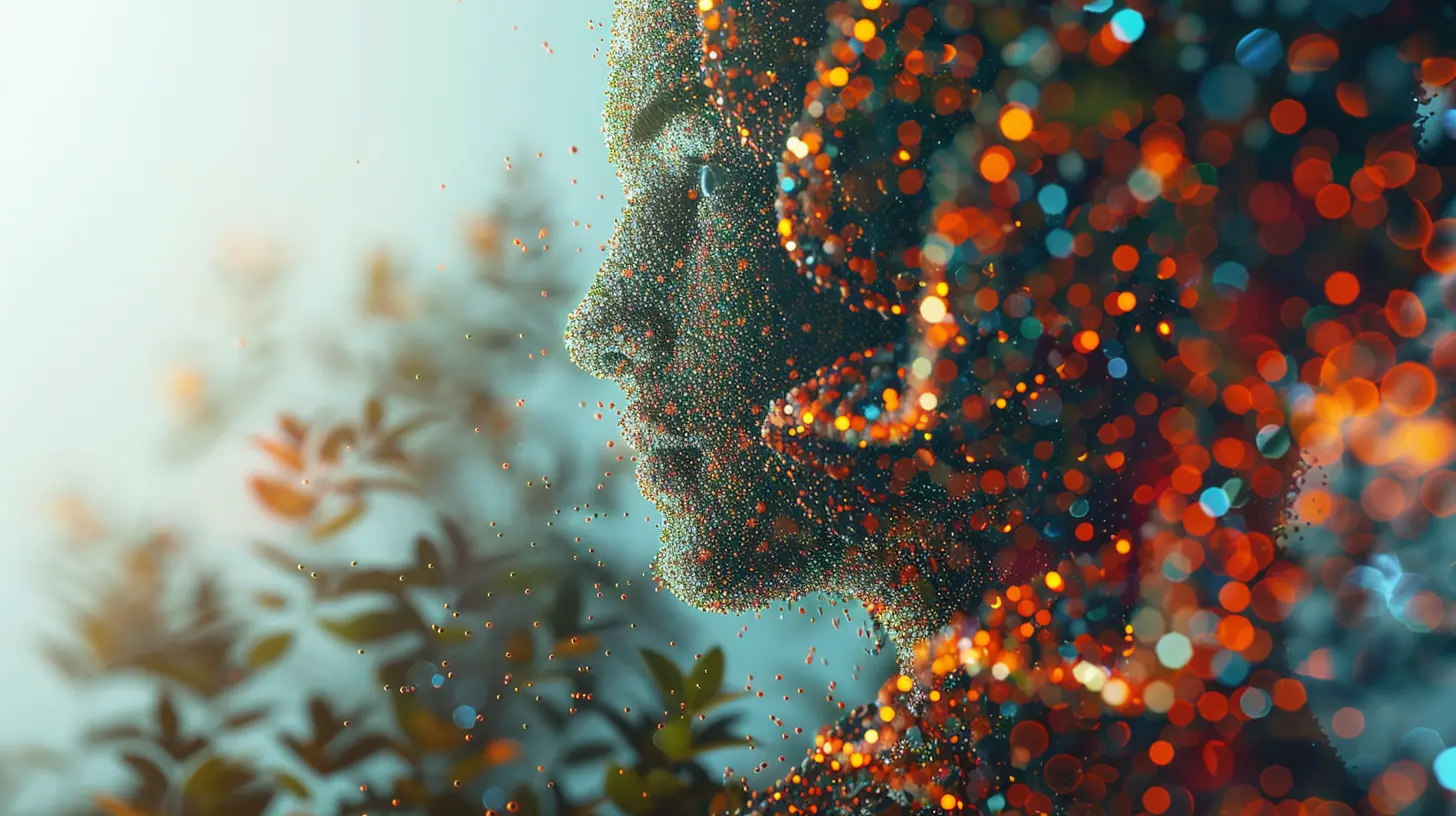
Gene-Environment Interaction: The Middle Ground
The truth is, it’s not nature or nurture—it’s both. Genes and environment interact in complex ways, influencing whether someone develops a mood disorder.Epigenetics: How Environment Affects Genes
Epigenetics is a fascinating field that studies how environmental factors can turn genes on or off without changing their actual DNA sequence.For example, two people may have the same genetic predisposition for depression, but only one develops it because of high stress levels or traumatic experiences. Environmental factors like childhood trauma can change how genes function, increasing vulnerability to mood disorders.
This means that even if you inherit a “risky” gene, your lifestyle, stress levels, and relationships can either activate or silence that gene.
Resilience and Protective Factors
Not everyone with a genetic risk develops a mood disorder. Why? Because protective factors like strong relationships, healthy coping mechanisms, and therapy can help buffer against genetic predispositions.Some people have a genetic resilience—their brains might be wired to cope better with stress. Others develop resilience through life experiences and mental health practices like mindfulness, therapy, and social support.
Can You "Override" Your Genes?
So, if you have a family history of mood disorders, does that mean you’re doomed to develop one? Absolutely not!While genetics increases the likelihood, you still have control over:
- Healthy lifestyle choices (diet, exercise, sleep).
- Stress management techniques (meditation, therapy, social support).
- Seeking early intervention if you notice symptoms.
Mental health is just like physical health—having a family history of heart disease doesn’t mean you’re guaranteed to have a heart attack. Your choices matter.
Final Thoughts: The Balance Between Nature and Nurture
Mood disorders are not purely genetic, nor are they entirely caused by environmental factors. The interplay between nature and nurture determines whether someone develops a mood disorder.While genetics may lay the foundation, environment and lifestyle shape the final outcome. The good news? Understanding this balance can empower us to take proactive steps in safeguarding our mental health.
If you or someone you know struggles with a mood disorder, remember—genes are not destiny. Therapy, medication, lifestyle changes, and a strong support system can make a world of difference.
So, instead of worrying about what’s in your DNA, focus on what you can control. After all, how we nurture ourselves can often outweigh what we inherit.
all images in this post were generated using AI tools
Category:
Mood DisordersAuthor:

Christine Carter
Discussion
rate this article
1 comments
Cassandra Marks
Blame it on your genes... or snacks!
July 4, 2026 at 4:47 PM
Christine Carter
It's often a mix of both. Genetics set the stage, but our choices, like snacks, can definitely influence our mood.