The Psychology of Falling Out of Love
31 March 2026
Love is a wild, unpredictable beast. It sweeps us off our feet, fills our hearts with passion, and then—sometimes—vanishes without warning. One minute, you're head over heels, and the next, you're questioning everything. Why does this happen? Is it inevitable? Or is there a deeper psychological process at play?
Let’s dive into the raw, unfiltered truth about falling out of love.

The Science Behind Love and Its Fading Flame
Love isn’t just a feeling—it’s a complex dance of chemicals in your brain. When you first fall in love, dopamine, oxytocin, and serotonin flood your system. You feel euphoric, obsessed, almost addicted to your partner.But over time, those chemicals start to balance out. The excitement dies down. The once thrilling unpredictability becomes routine. And just like that, the magic starts to fade.
Falling out of love isn’t about being heartless. It’s about biology, psychology, and the inevitable shifts in emotional connection. 
Why Do We Fall Out of Love?
There’s no one-size-fits-all reason why people stop loving each other, but here are some of the most common psychological triggers:1. The Illusion of Perfection Shatters
At the start, you see your partner through rose-colored glasses. They’re flawless, right? But love makes fools of us all. Over time, reality sets in. That charming habit you once adored? Now, it annoys the hell out of you.The brain tends to idealize loved ones initially. But when reality replaces fantasy, disillusionment follows.
2. Emotional Needs Go Unmet
Love isn’t just about romance—it’s about emotional fulfillment. If your partner stops making you feel valued, appreciated, or understood, emotional disconnection creeps in.Psychologists call this the "attachment shift." Once emotional needs aren't met, the bond weakens, and love starts slipping through the cracks.
3. Communication Breaks Down
Love thrives on communication. But when couples stop talking—or worse, when conversations turn into endless cycles of arguments and resentment—it’s a ticking time bomb.Lack of communication leads to emotional distance. And emotional distance? That’s the silent killer of love.
4. The Passion Fizzles Out
Let’s be real—passion doesn’t last forever. The intense chemistry that fueled the relationship in the beginning often fades. If both partners don’t actively work to keep the spark alive, it’s only a matter of time before love feels more like a roommate arrangement.5. Personal Growth Creates Distance
People change. It’s inevitable. The person you were five years ago isn’t the person you are today. Sometimes, individual growth sends couples in opposite directions.If two partners evolve in clashing ways, love can’t always survive the transformation. 
The Psychological Stages of Falling Out of Love
Falling out of love doesn’t happen overnight. It’s a gradual process with clear psychological stages:1. Doubt Creeps In
A subtle but nagging feeling takes root. You start questioning things:- Do I still love them?
- Why don’t I feel the same excitement anymore?
- Am I really happy in this relationship?
At first, you ignore it. But doubt has a funny way of growing louder over time.
2. Emotional Disconnection Begins
You start feeling distant. Conversations feel forced. Moments that used to bring joy now feel like obligations.This is where emotional detachment settles in. You may still care, but the deep emotional bond starts weakening.
3. The Turning Point
Something happens—a fight, a revelation, or even a newfound attraction to someone else—that makes you realize things aren’t the same.This is the moment of recognition—the tipping point where you admit, at least to yourself, that love is slipping away.
4. Resentment and Indifference Take Over
Frustration builds. Once, you fought to fix things. Now? You don’t even have the energy to try. Indifference replaces passion. The things your partner does no longer spark love, excitement, or even anger.When someone reaches this stage, the relationship is often unsalvageable.
5. The Exit Strategy Forms
At this point, one (or both) partners start planning an escape. Whether it’s a breakup conversation, emotional withdrawal, or even seeking emotional connection elsewhere, the end is near.Some stay out of habit or fear of change. But deep down, love has already left the building. 
Can You Prevent Falling Out of Love?
While not every relationship is meant to last, some can be saved—if both partners are willing to put in the work. Here’s what helps:1. Keep the Connection Alive
- Engage in meaningful conversations (not just the “how was your day?” routine).- Make time for shared experiences—adventures, hobbies, and deep talks.
2. Prioritize Emotional Intimacy
- Express appreciation and affection daily.- Address problems early instead of letting resentment build.
3. Keep the Passion Burning
- Surprise each other. Romance doesn’t have to die just because years pass.- Physical intimacy matters—touch, flirt, and don’t let routine kill desire.
4. Allow Individual Growth Without Drifting Apart
- Encourage personal ambitions while still making time for the relationship.- Grow together, not apart.
5. Communicate—For Real
- If something’s bothering you, say it.- Listen—not just to respond, but to understand.
Not all love can—or should—be saved. But if you both still care, effort can go a long way.
Final Thoughts
Falling out of love isn’t a failure. It’s a natural part of human relationships. People change, circumstances evolve, and sometimes, love just fades.What matters most is how you handle it. Do you fight for what you had? Do you walk away with grace? Or do you stay stuck in something that no longer serves you?
At the end of the day, love—like life—never stays the same. And that’s okay.
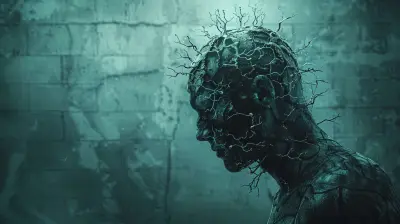
all images in this post were generated using AI tools
Category:
Psychology Of LoveAuthor:

Christine Carter
Discussion
rate this article
2 comments
Elora Pope
This article really resonates. It captures the complex emotions we face when love fades. Understanding the psychological aspects provides clarity and comfort during such difficult times. It reminds us that it's okay to feel lost while navigating these changes. Thank you for addressing this often-overlooked aspect of relationships.
July 9, 2026 at 2:54 PM
Christine Carter
Thank you for your insightful comment. I'm glad the article resonated with you and offered some clarity on such a challenging topic. It's important to acknowledge these emotions as we navigate love's complexities.
Nyari McGee
This article beautifully captures the complexities of love and loss! It's a reminder that understanding our emotions can lead to healing and personal growth. Great read!
March 31, 2026 at 4:49 AM
Christine Carter
Thank you for your kind words! I'm glad you found the article insightful and meaningful.