The Impact of Social Media on Depression and Anxiety
22 December 2025
Let’s be real for a second—social media is everywhere. We scroll through our feeds the second we wake up, check our notifications during lunch, and sneak in one last peek before bed. It's become a habit, a routine, and for some of us, almost a lifeline to the world outside. But here's the catch: while social media connects us, it can also disconnect us from our mental well-being.
So, what’s the deal? Can social media really cause depression and anxiety? Or is it just that we’re looking for something to blame for our daily stresses? Let’s dive into the nitty-gritty of how our favorite online spaces might be affecting our mental health more than we realize.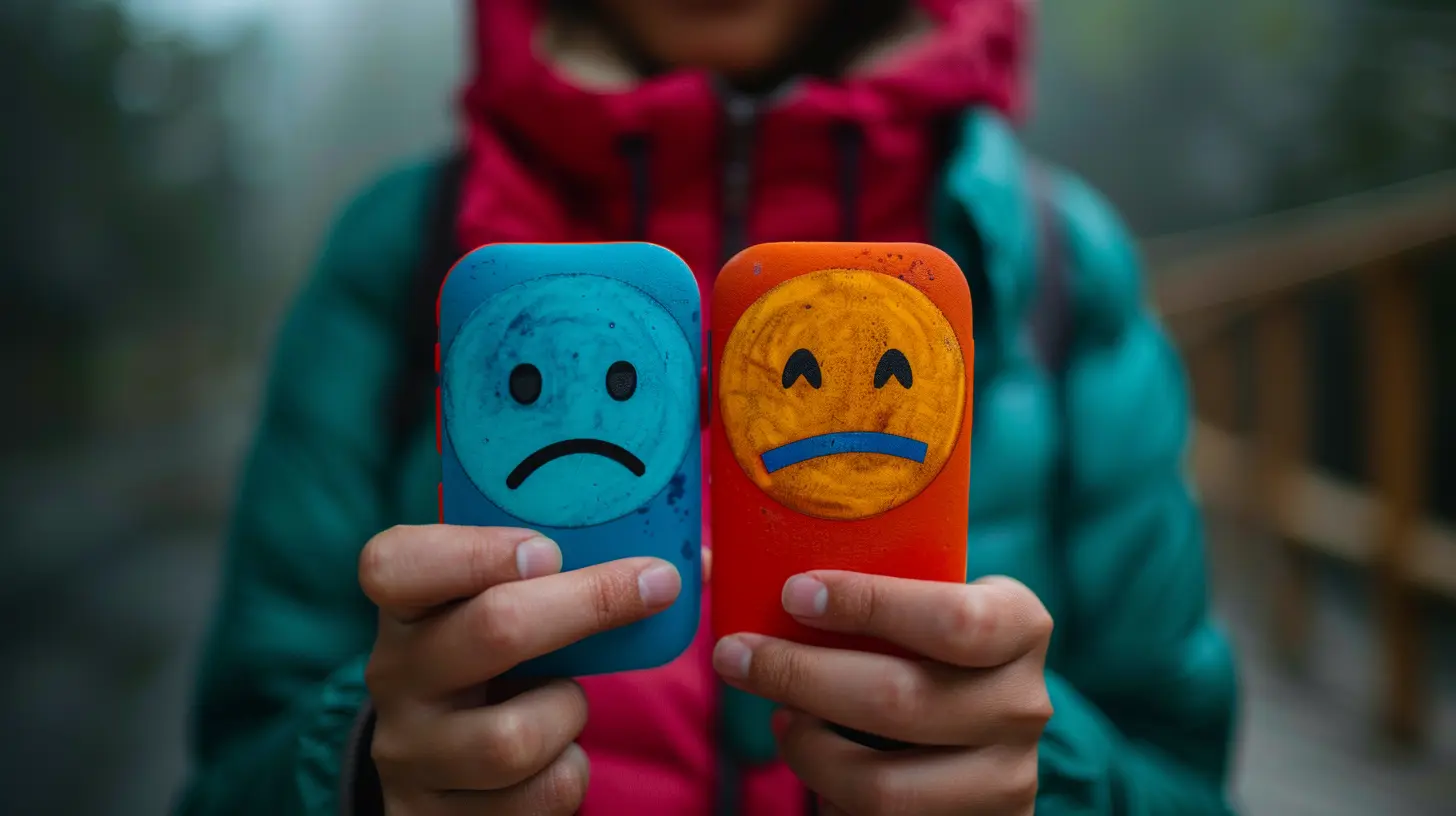
The Rise of Social Media and the Era of Comparison
Remember when we didn’t know what everyone else was having for breakfast? Yeah, those were simpler times. Today, we’re bombarded with picture-perfect selfies, vacation shots, and curated lifestyles that scream “my life is way better than yours!”Social media platforms like Instagram, TikTok, Facebook, and Twitter are designed to keep us engaged—and they’re really good at it. But as we scroll, we often start comparing our behind-the-scenes to someone else’s highlight reel. That constant comparison? It’s exhausting. And worse, it can sink us into feelings of inadequacy, envy, and low self-worth.
The Comparison Trap
Let’s say you’re having an average day. You feel okay, not great, but manageable. Then you see a friend’s post: they just got promoted, bought a house, or are on some beautiful beach sipping something fancy. Suddenly, your okay day doesn’t feel so okay anymore, right?That’s the comparison trap. It’s sneaky and it creeps up on us. Studies have shown that this kind of social comparison on platforms like Instagram can contribute to depressive symptoms, especially in teenagers and young adults. Why? Because we start to question our worth, our achievements, and even our appearance.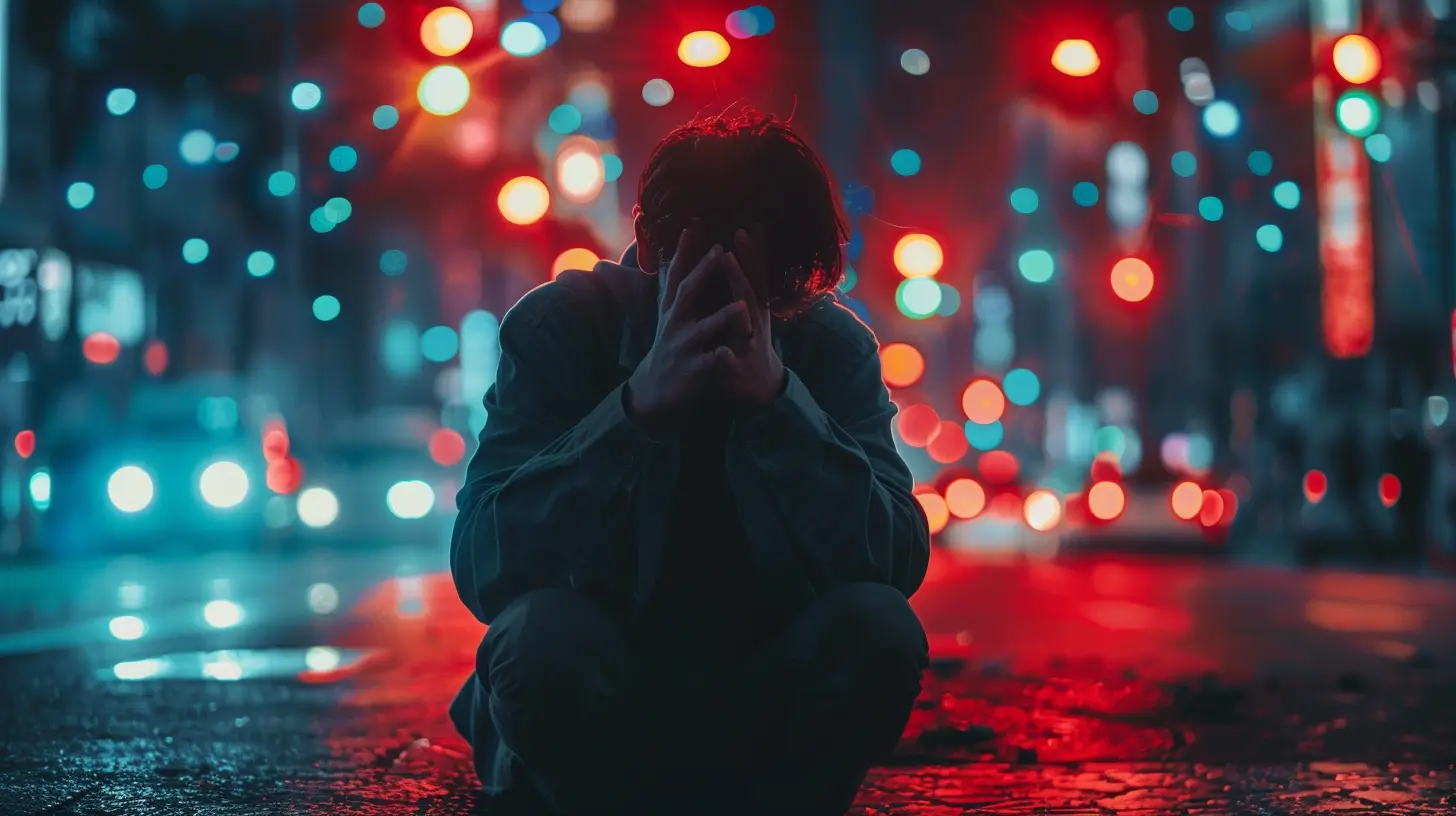
Anxiety and the Pressure to Be "Always On"
Another thing social media does is keep us constantly connected—or at least, it makes us feel like we need to be. Miss a day of posting? You might worry people will forget you exist. Didn’t get enough likes? Cue the anxiety spiral.Social media breeds a sort of low-level stress that hums in the background of our lives. From the fear of missing out (FOMO) to the pressure to respond instantly to messages, our brains never really get a break.
FOMO: The Silent Thief of Joy
FOMO isn’t just internet slang—it’s a real psychological phenomenon. When you see others having fun without you or achieving milestones you haven’t reached, it’s natural to feel left out. But over time, that feeling can morph into anxiety. You might start thinking you're falling behind in life, even if that's not the case.And let’s not forget the doomscrolling habit. Ever found yourself reading bad news after bad news at 2 a.m.? That constant flood of negativity can mess with your sleep, your mood, and your overall sense of well-being.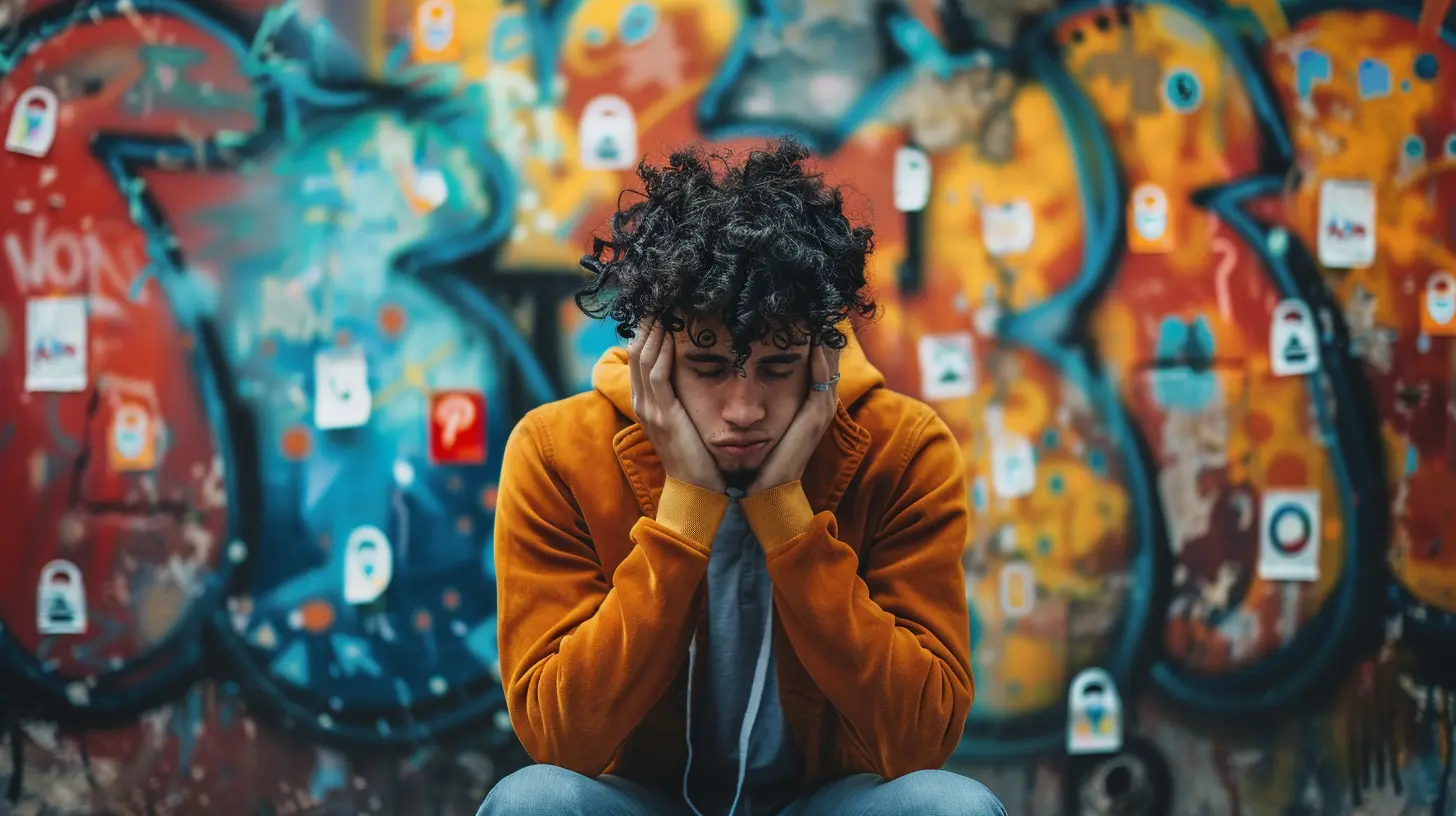
Dopamine and Social Media: Your Brain on Likes
Social media is like a slot machine for your brain. Every like, comment, or share gives you a tiny hit of dopamine—that feel-good chemical that makes you crave more. It’s the same brain response triggered by eating your favorite dessert or getting a compliment.Addiction by Design
Social media platforms are built to be addictive. They want you to stay online for as long as possible because the longer you scroll, the more ads they can show you. And that means more money for them. So, they use algorithms to show you content that's emotionally engaging, often controversial or sensational. Not surprisingly, this emotional rollercoaster can leave us mentally drained.When we don't get the validation we expect—like when a post gets fewer likes than usual—it can lead to a drop in mood, self-confidence, and even contribute to depressive thoughts. It’s a dangerous cycle that’s hard to break.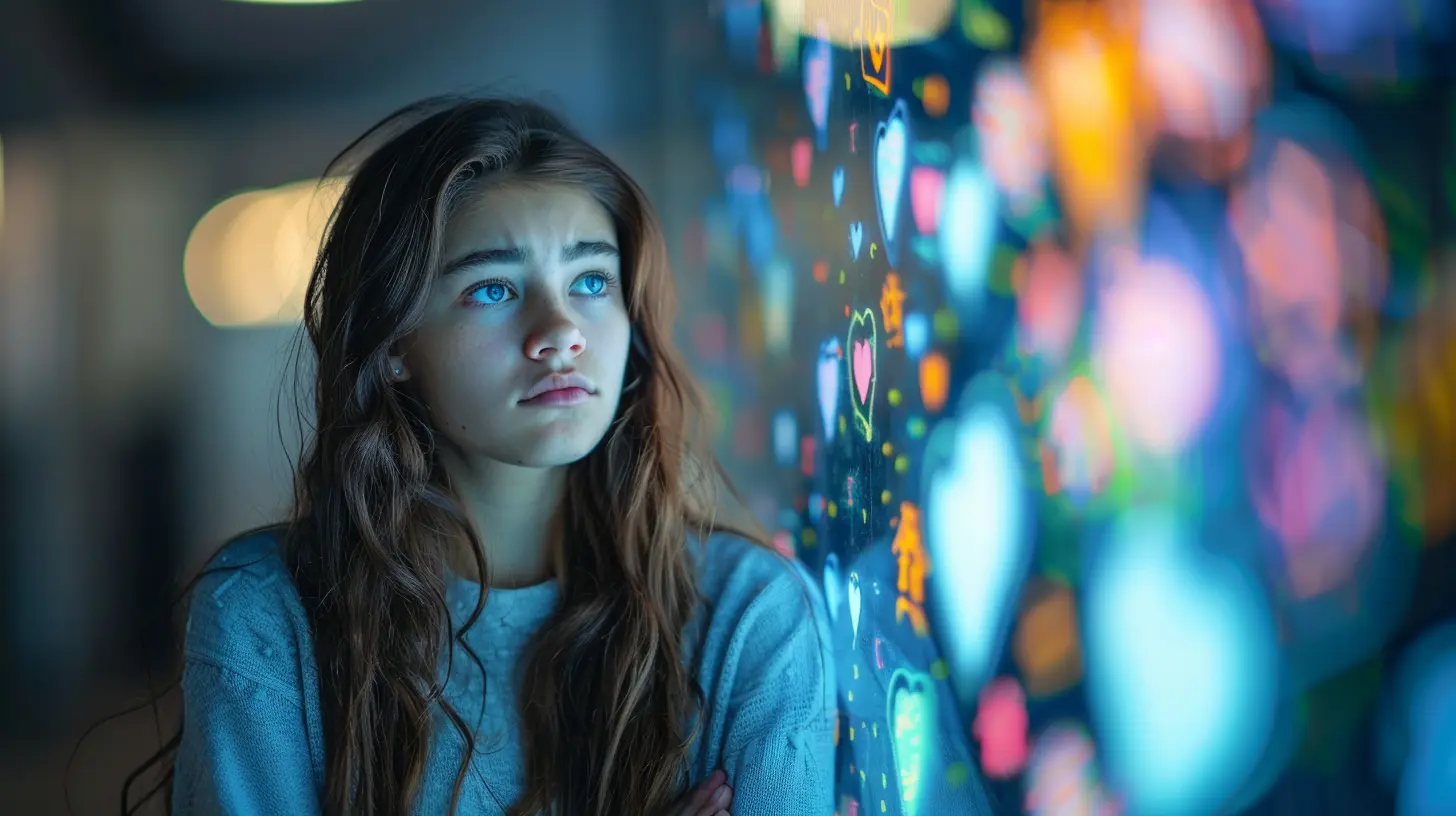
How Depression Manifests in the Age of Social Media
Depression isn't just about feeling sad. It can sneak into our lives disguised as numbness, restlessness, or even fatigue. When you mix that with the overstimulation and emotional rollercoaster of social media, it can become a perfect storm.Signs to Watch For
Have you ever finished a scroll session feeling worse than when you started? That lingering sense of not being enough, of being outshined or unheard? These are subtle signs that social media might be feeding into depressive symptoms. Here are a few red flags:- You feel drained instead of inspired after scrolling.
- You compare yourself constantly to others.
- You’re more irritable or withdrawn.
- You use social media as an escape from real-life stressors.
If these sound familiar, it might be time to rethink your relationship with the platforms you use.
Social Media and Anxiety: A Constant Buzz in Your Brain
Ever notice how your heart races when your phone buzzes? That’s anxiety in action. We’ve trained ourselves to be hyper-alert for digital interactions—likes, DMs, tags, mentions. It’s like our nervous system is always on lightning mode.The Paradox of Connection
Here’s the irony: even though we’re more “connected” than ever, we often feel lonelier. That's because digital connection lacks something crucial—real human interaction. You can’t read body language through emojis. You can’t truly feel someone’s presence through a screen.This fake sense of closeness can increase feelings of isolation, especially if you’re struggling with anxiety. Your brain starts to equate online engagement with social worth, which is a slippery slope.
Who’s Most Affected?
While social media can affect anyone, some groups are more vulnerable than others.Teenagers and Young Adults
Their brains are still developing, especially the parts responsible for self-regulation and emotional processing. Add peer pressure, identity exploration, and social validation into the mix, and you’ve got a recipe for mental health struggles.People with Pre-existing Mental Health Issues
If you’re already dealing with depression or anxiety, social media can amplify those feelings. The negative feedback loops can deepen self-doubt and worsen symptoms.Can Social Media Ever Be Good for Mental Health?
Let’s not throw the baby out with the bathwater. Social media isn’t all bad. It has its bright sides, especially when used mindfully.Support and Community
There are countless groups and forums that offer support for mental health, from Reddit threads to Instagram pages run by psychologists. These communities can help you feel less alone.Positive Content
Accounts that focus on mental health awareness, self-love, and positivity can shift your mindset for the better. The key is curating your feed so it's full of uplifting, real content—not just polished, unattainable perfection.Tips for a Healthier Relationship with Social Media
If you think social media might be impacting your mental health, you don’t have to quit cold turkey. Here’s a more balanced approach:1. Set Time Limits
Use screen time features to control how much time you spend on each app. Even cutting back 30 minutes a day can make a huge difference.2. Curate Your Feed
Unfollow accounts that make you feel bad about yourself. Follow ones that inspire or educate you.3. Mute Notifications
Turn off unnecessary alerts so your focus isn’t constantly pulled away.4. Take Digital Detox Days
Pick a day (or even just a few hours) each week to log off completely. Use that time to reconnect with yourself or others offline.5. Practice Mindfulness
Be intentional with your scrolling. Ask yourself: “Why am I opening this app right now?” If you’re bored, anxious, or sad—maybe there’s another way to cope.Talking to Someone Helps—A Lot
Therapy isn’t just for when things are falling apart. If you’re feeling overwhelmed by social media or anything else, talking to a professional can help you sort through your thoughts and feelings. There’s no shame in it—just strength.Wrapping It Up
So, what's the bottom line? Social media can be a double-edged sword. On one hand, it keeps us connected, informed, and entertained. On the other, it can increase feelings of depression and anxiety, especially if we’re not mindful of how we use it.The key is balance. Being aware of how social media makes you feel is the first step in reclaiming your mental well-being. You don’t have to ditch it entirely—just learn to use it in a way that supports, not sabotages, your mental health.
Because at the end of the day, likes and followers don’t define your worth—you do.
all images in this post were generated using AI tools
Category:
Mood DisordersAuthor:

Christine Carter
Discussion
rate this article
2 comments
Teagan Barron
This article effectively highlights the complex relationship between social media use and mental health, urging readers to consider both the positive and negative influences on depression and anxiety.
January 23, 2026 at 3:32 AM
Christine Carter
Thank you for your thoughtful comment! I'm glad you found the article's exploration of the nuanced effects of social media on mental health insightful.
Nix McGowan
Great insights! Social media's effects are profound.
December 23, 2025 at 5:19 AM
Christine Carter
Thank you! I'm glad you found the insights valuable. Social media's role in mental health is indeed significant.