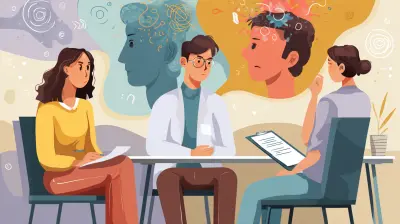
COVID-19 and Sleep Disturbances: Mental Health Impacts in a Post-Pandemic World
15 January 2026
The COVID-19 pandemic turned our lives upside down. It disrupted routines, heightened anxieties, and left many of us tossing and turning at night—quite literally. Even though the worst of the pandemic is behind us, its impact on sleep and mental health is still very much present.
If you've been struggling with sleep since the pandemic, you're not alone. Let's dive into why COVID-19 messed with our sleep, how it continues to affect us, and—most importantly—what we can do about it.
How COVID-19 Disrupted Our Sleep Patterns
1. Increased Anxiety and Stress
Remember those early lockdown days? The uncertainty, the fear of getting sick, the non-stop news cycle—it was enough to make anyone's mind race at bedtime. Even now, many people continue to experience increased anxiety, which directly impacts sleep quality.Stress activates the body's "fight or flight" response, making it harder to relax and fall asleep. If your mind is running a marathon when all you want to do is sleep, anxiety might be the culprit.
2. Work-from-Home Sleep Struggles
During the pandemic, many people switched to remote work. While working in pajamas sounded great at first, it blurred the lines between work and relaxation. Bedrooms turned into offices, and without a clear separation, falling asleep became more difficult.Now, in the post-pandemic era, even those who returned to the office might still be struggling to re-establish a normal sleep routine.
3. Disrupted Daily Routines
Our bodies love routine. Before COVID-19, we had structured schedules—commutes, gym sessions, social gatherings—which helped regulate our internal body clock. The pandemic threw all of that out the window.Stay-at-home orders led to erratic bedtimes, excessive screen time, and disrupted eating patterns—all of which contributed to poor sleep quality. And let's not forget the binge-watching marathons that kept many of us up until 3 AM!
4. Increased Screen Time = Poor Sleep
Scrolling endlessly on our phones became a coping mechanism during quarantine. Social media, news updates, and Netflix binges skyrocketed. The problem? Too much screen time before bed messes with melatonin production, making it harder to fall asleep.Even post-pandemic, screen time habits haven't necessarily improved, leading to continued sleep disturbances.
The Mental Health Toll of Sleep Disturbances
Sleep and mental health are like best friends—they rely on each other. When sleep suffers, mental health takes a hit, and vice versa. Here’s how poor sleep has impacted mental health in the post-pandemic world:1. Increased Anxiety and Depression
Lack of sleep fuels anxiety and depression. When you're sleep-deprived, your brain has a harder time regulating emotions, making small stressors feel overwhelming. Many people who developed pandemic-related sleep issues are still struggling with their mental health today.2. Brain Fog and Poor Concentration
Ever feel like your brain is wrapped in a thick fog? Sleep deprivation can make it difficult to concentrate, retain information, and stay productive. This has been particularly challenging for employees and students trying to function post-pandemic.3. Weakened Immune System
Believe it or not, sleep affects your immune system. Poor sleep can make you more susceptible to illness. Given the heightened health concerns after COVID-19, prioritizing sleep is more important than ever.4. Increased Risk of Burnout
Many people pushed themselves harder during the pandemic—whether it was taking on extra work, managing home-schooling, or dealing with financial stresses. Chronic sleep disturbances have led to higher rates of burnout, leaving people exhausted and emotionally drained.
Reclaiming Your Sleep in a Post-Pandemic World
The good news? You can take back control of your sleep routine! Here’s how:1. Establish a Consistent Sleep Schedule
Your body thrives on consistency. Try going to bed and waking up at the same time every day—even on weekends. This helps regulate your internal clock and improves sleep quality.2. Limit Screen Time Before Bed
Blue light exposure from phones and laptops messes with melatonin production. Try setting a "screen curfew" at least an hour before bed. Instead, wind down with a book, soothing music, or some light stretching.3. Create a Relaxing Bedtime Routine
Prepping for sleep is like warming up before a workout—it sets the stage for success. Develop a wind-down routine that signals to your brain that it's time to rest. This could include taking a warm bath, sipping herbal tea, or practicing deep breathing exercises.4. Make Your Sleep Environment Comfortable
Your bedroom should be a sleep sanctuary. Keep it cool, dark, and quiet. Invest in a comfortable mattress and pillows. If noise is an issue, try white noise machines or earplugs.5. Reduce Caffeine and Alcohol Intake
Caffeine might be your best friend in the morning, but it's your worst enemy at night. Avoid caffeine in the late afternoon and evening. And while alcohol might make you sleepy initially, it can disrupt your sleep later in the night.6. Manage Stress and Anxiety
If racing thoughts keep you up, find healthy ways to manage stress. Meditation, journaling, and therapy can work wonders. Engaging in regular exercise can also help burn off built-up tension and improve sleep quality.7. Seek Professional Help If Needed
If sleep disturbances and mental health struggles persist, don’t hesitate to seek professional help. Cognitive Behavioral Therapy for Insomnia (CBT-I) is a highly effective treatment for chronic sleep issues.
Final Thoughts
COVID-19 changed the way we live, work, and sleep. While many aspects of life have returned to normal, sleep disturbances and their mental health effects continue to linger. The key is recognizing these challenges and taking proactive steps to reclaim a good night's sleep.If you're still struggling with post-pandemic sleep issues, don’t be too hard on yourself. Resetting your sleep patterns takes time, but every small step counts. Start tonight—turn off that screen, stick to a routine, and give yourself permission to rest.
all images in this post were generated using AI tools
Category:
Sleep And Mental HealthAuthor:

Christine Carter
Discussion
rate this article
2 comments
Owen Wagner
Thank you for shedding light on the significant impact of COVID-19 on sleep disturbances and mental health. This article underscores the importance of addressing these issues in our post-pandemic world. Your insights are invaluable for understanding and supporting those affected by these ongoing challenges.
February 9, 2026 at 4:56 AM
Christine Carter
Thank you for your thoughtful comment! I'm glad you found the article valuable in highlighting the ongoing impact of COVID-19 on sleep and mental health.
Isolde Graham
Great article! It's essential to recognize the impact of COVID-19 on our sleep and mental health. Your insights on navigating these challenges in a post-pandemic world are incredibly valuable. Remember, prioritizing self-care and seeking support is key to overall well-being!
January 16, 2026 at 4:26 PM
Christine Carter
Thank you for your thoughtful comment! I appreciate your emphasis on self-care and support during these challenging times.