Sleep Paralysis: Understanding the Fear and Its Impact on Mental Health
3 August 2026
Imagine waking up in the middle of the night, fully conscious, but unable to move or speak. Your body feels like it's frozen in place, and to make matters worse, you sense an ominous presence in the room. Sounds like something straight out of a horror movie, right? Well, for many people around the world, this isn't a scene from a thriller—it's a real experience called sleep paralysis.
Sleep paralysis is a phenomenon that has puzzled people for centuries. It's an experience that can feel terrifying, leaving those who go through it with lingering fear, anxiety, and even long-term effects on their mental health. In this article, we're going to dive deep into what sleep paralysis is, why it happens, and how it can impact your mental well-being. If you've ever wondered whether you're alone in this experience or how to better understand it, keep reading. You’re not alone, and there’s plenty to unpack here.
What Exactly Is Sleep Paralysis?
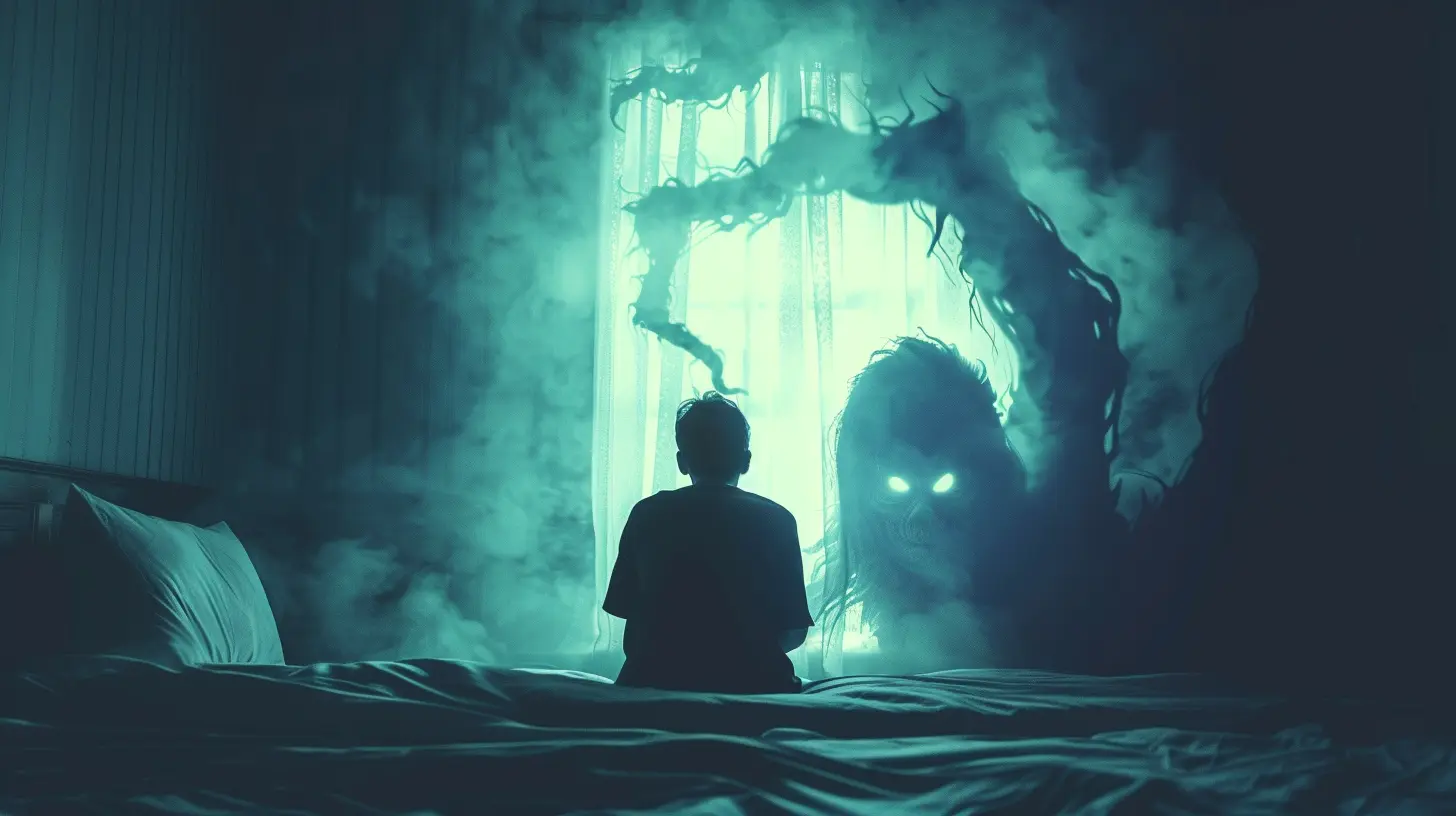
So, what is sleep paralysis anyway? In simple terms, sleep paralysis happens when you wake up from sleep and find yourself temporarily unable to move or speak. It's like your brain wakes up before your body does, leaving you stuck in a state of immobility for a few seconds to a couple of minutes. Sounds unsettling, right?The reason it’s so frightening is that, in many cases, people also experience hallucinations during these episodes. These can range from seeing shadows to feeling like someone—or something—is in the room with you. The experience can be so vivid that it feels like you're trapped in a nightmare, except you're fully awake.
But don’t worry—although it feels terrifying, sleep paralysis is usually harmless. However, it can have a lasting impact on your mental health, especially if it happens frequently.

The Science Behind Sleep Paralysis
Let’s break it down. Sleep paralysis occurs during one of the most important stages of sleep: REM sleep (Rapid Eye Movement). This is the stage when we dream the most, and during REM sleep, our brain sends signals to paralyze most of our muscles. Why? It’s a protective mechanism to stop us from acting out our dreams. Can you imagine if you acted out every single dream you had? You’d be jumping out of bed, running into walls, or worse!However, sleep paralysis happens when you wake up during REM sleep but your body hasn’t yet received the signal to “unfreeze.” Your brain is conscious, but your body is still in dreamland mode. This is why you can’t move, and sometimes, those dreams from REM sleep spill over into your waking state, causing hallucinations.
Why Do Hallucinations Happen?
Hallucinations during sleep paralysis are categorized into three types:1. Intruder Hallucinations: You sense that there's an evil presence in the room. You might even “see” something creepy like a shadowy figure.
2. Chest Pressure Hallucinations: You feel as though something heavy is sitting on your chest, making it hard to breathe. Some people associate this with the feeling of being "strangled" or "crushed."
3. Vestibular-Motor Hallucinations: You might feel like you're floating or having an out-of-body experience, which can be equally confusing and scary.
These hallucinations are a result of your brain trying to make sense of the temporary paralysis, blending the boundary between sleep and wakefulness.
How Common Is Sleep Paralysis?
You might be thinking, “Am I the only one who experiences this?” Absolutely not.Sleep paralysis is more common than you might think. Studies suggest that about 8% of the general population experiences sleep paralysis at least once in their lifetime. However, it's more frequent in certain groups. People with conditions like narcolepsy or sleep apnea are more likely to experience it. And if you're under a lot of stress, sleep-deprived, or have irregular sleep patterns, you might also be more prone to it.
In fact, many cultures around the world have their own myths and stories to explain sleep paralysis, often attributing it to supernatural forces. In some cultures, it’s believed that demons or evil spirits are responsible for the experience. While that’s not scientifically accurate (thankfully!), it shows just how long this phenomenon has been a part of human history.

The Impact of Sleep Paralysis on Mental Health
Okay, so sleep paralysis is common and usually not dangerous—but that doesn’t mean it’s harmless. The fear and anxiety that come with repeated episodes can take a toll on your mental health.Anxiety and Panic Disorders
If you've ever experienced sleep paralysis, you know how terrifying it can be. That feeling of helplessness and dread can linger long after the episode is over. Repeated experiences can lead to anxiety or even panic attacks because you start to fear going to sleep. The mere thought of not being able to move or seeing something supernatural in your room can be enough to keep anyone awake at night.Sleep Deprivation
It’s a vicious cycle: sleep paralysis makes you afraid to sleep, but not getting enough sleep can actually make sleep paralysis more likely to occur. Sleep deprivation is one of the biggest triggers for sleep paralysis. When you’re not getting enough rest, your REM sleep cycles can become disrupted, which increases the chance of waking up while your body is still paralyzed.Over time, lack of sleep can lead to chronic fatigue, irritability, and even depression. It’s a bit like being caught in a hamster wheel, where one problem feeds into the next.
Depression and PTSD
For people who experience frequent or particularly intense episodes, sleep paralysis can contribute to more serious mental health issues, such as depression or Post-Traumatic Stress Disorder (PTSD). The fear and helplessness you feel during an episode can stay with you, making it difficult to shake off the experience.Social Isolation
Some people feel too embarrassed to talk about their sleep paralysis experiences. They might think that their friends or family won’t understand or believe them. This can lead to feelings of isolation and make the emotional toll even worse. Keeping these experiences bottled up can contribute to a sense of loneliness, which can worsen mental health issues like anxiety and depression.How to Cope with Sleep Paralysis
Fortunately, there are ways to manage and reduce the frequency of sleep paralysis. While there’s no magic cure, implementing certain lifestyle changes can make a big difference.1. Improve Sleep Hygiene
One of the most effective ways to reduce the chances of sleep paralysis is to improve your sleep hygiene. This means getting into a regular sleep routine where you go to bed and wake up at the same time every day. Creating a relaxing bedtime environment can also help. Think of your bedroom as your personal sleep oasis—dim the lights, keep the temperature cool, and banish screens (yes, that means no scrolling through Instagram in bed!).2. Manage Stress Levels
Since stress and anxiety are major triggers for sleep paralysis, finding ways to manage your stress can help. Consider practices like mindfulness meditation, yoga, or even just deep breathing exercises before bed. These can help calm your mind and body, making it easier for you to sleep peacefully.3. Treat Underlying Sleep Disorders
If you have conditions like sleep apnea or narcolepsy, getting them treated can significantly reduce your chances of experiencing sleep paralysis. Talk to your doctor if you suspect you might have an underlying sleep disorder.4. Sleep on Your Side
There’s some evidence to suggest that sleep paralysis is more likely to occur when you’re sleeping on your back. Try switching to sleeping on your side to see if this reduces the frequency of your episodes.5. Stay Calm During an Episode
Easier said than done, right? But if you find yourself in the middle of a sleep paralysis episode, try to remind yourself that it’s temporary and will pass. Focusing on your breathing and trying to wiggle your fingers or toes can help your body “wake up” faster.
Conclusion: You're Not Alone
If you're someone who experiences sleep paralysis, know that you're not alone—and you're not in danger. While it can be a frightening experience, understanding the science behind it can help demystify the event, making it less terrifying. And while sleep paralysis can have an impact on your mental health, there are steps you can take to manage it.Remember, sleep paralysis is something that many people experience at least once in their lifetime. If it’s happening to you, don’t hesitate to talk about it with friends, family, or even a healthcare professional. Breaking the silence can help reduce the fear and make the experience easier to cope with.
all images in this post were generated using AI tools
Category:
Sleep And Mental HealthAuthor:

Christine Carter
Discussion
rate this article
1 comments
Parisa McElveen
Very insightful take on a scary phenomenon.
August 10, 2026 at 4:40 AM