How Food Affects Your Thoughts: A Holistic Perspective
10 October 2026
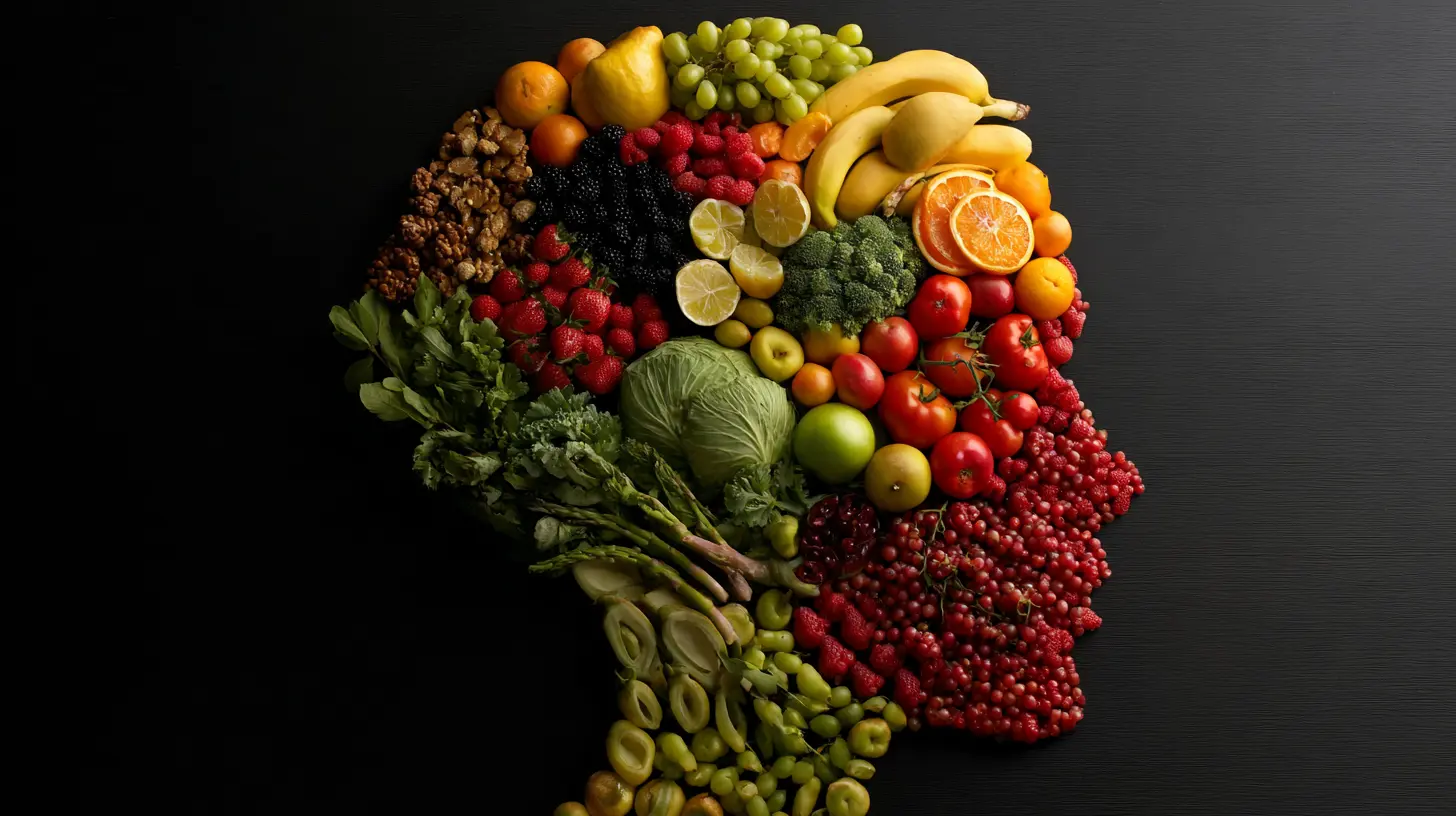
Most people think about food in terms of weight, energy, or long-term disease risk. Fewer stop to consider that the same meal shaping their body is also shaping their mind in real time. The brain is roughly two percent of body weight yet consumes around twenty percent of the energy and nutrients you take in. That single fact reframes the entire conversation. What you eat is not just fuel for movement. It is raw material for thought, mood, memory, and decision-making.
This article takes a holistic view. That means looking at food not as isolated nutrients acting on isolated brain regions, but as a system of inputs that interact with sleep, stress, gut health, culture, and personal psychology. The goal is not to hand you a rigid diet. It is to help you understand why food affects your mind the way it does, so you can make better judgments for your own situation.

The Brain Is a Demanding Consumer
Your brain runs on glucose, but it cannot store meaningful reserves of it. It depends on a steady supply from the bloodstream. When that supply is erratic, cognition becomes erratic too. This is why skipping breakfast before a morning meeting often produces a specific kind of mental fog: you are not simply tired, you are under-fueled in a way that directly affects attention and working memory.But glucose is only part of the story. The brain also needs amino acids to build neurotransmitters, fatty acids to maintain cell membranes, vitamins and minerals to run enzymatic reactions, and water to maintain the fluid balance that makes nerve signaling possible. Remove any of these and thought quality degrades, sometimes subtly, sometimes dramatically.
The practical implication is that "brain food" is not a single ingredient. It is a pattern of steady supply. A person who eats one perfect meal and then nothing for ten hours is not supporting their brain well, regardless of how nutritious that meal was.

Neurotransmitters and the Meals That Build Them
Neurotransmitters are chemical messengers. Three of them matter enormously for how you think and feel: serotonin, dopamine, and acetylcholine. Each depends on dietary precursors, and each is affected by what you eat and when.Serotonin and Carbohydrates
Serotonin is associated with calm, satisfaction, and stable mood. Its precursor is tryptophan, an amino acid found in protein-rich foods. Here is the counterintuitive part: eating a steak full of tryptophan does not necessarily raise brain serotonin, because other amino acids compete with tryptophan to cross the blood-brain barrier.What actually helps is a meal rich in carbohydrates with modest protein. Carbohydrates trigger insulin release, which clears competing amino acids into muscle tissue and leaves tryptophan with relatively free passage into the brain. This explains why many people feel calmer after a bowl of rice or a potato, and why extreme low-carbohydrate diets can leave some people irritable or flat in mood.
This is not an argument against low-carb diets. It is an argument for awareness. If you choose a very low-carb approach and notice mood changes, the mechanism above is a plausible reason. Some people adapt well. Others do not. Individual variation here is real and worth respecting.
Dopamine and Protein
Dopamine supports motivation, reward anticipation, and the drive to pursue goals. Its precursor is tyrosine, another amino acid. Unlike serotonin, dopamine synthesis tends to benefit more directly from adequate protein intake spread across the day.Consider the common pattern of a heavy carbohydrate breakfast followed by a protein-heavy dinner. Some people find their motivation is lowest in the morning and highest at night, which is the opposite of what most schedules require. Shifting some protein earlier in the day is a simple experiment that sometimes produces noticeable changes in drive and focus.
Acetylcholine and Dietary Fat
Acetylcholine is central to learning and memory. Its precursor, choline, is found in eggs, liver, soy, and some fish. Choline deficiency is uncommon in people eating varied diets, but intake varies widely. People who avoid eggs and organ meats may be getting less than they assume.
Blood Sugar, Mood, and Mental Clarity
If you want one lever that affects thinking quickly, it is blood glucose stability. The brain responds badly to sharp rises and crashes.A meal of white bread, juice, and sweets produces a fast glucose spike, a large insulin response, and then a drop that can leave you anxious, irritable, and unfocused within a couple of hours. This is not a moral failing or a sign of weakness. It is physiology.
Contrast that with a meal containing protein, fat, and fiber. Glucose rises more slowly, insulin responds more gently, and the curve stays flatter. The subjective experience is steadier attention and mood.
Why This Matters More for Some People
Some people are more sensitive to blood sugar swings than others. If you have prediabetes, insulin resistance, or a history of reactive hypoglycemia, meal composition matters enormously. For these individuals, a breakfast of cereal and orange juice is not merely suboptimal. It can meaningfully impair function for hours.For others, the effect is milder but still present. The key is to notice your own patterns rather than assume you are unaffected.
Practical Adjustments
- Pair carbohydrates with protein, fat, or fiber rather than eating them alone.- Avoid drinking fruit juice on an empty stomach if you notice mood crashes afterward.
- Eat at roughly consistent times to reduce extreme swings.
- Consider a short walk after meals, which helps muscles take up glucose and blunts the spike.
The Gut-Brain Axis: A Two-Way Conversation
The gut and brain communicate constantly through the vagus nerve, immune signaling, and microbial metabolites. This is not a fringe idea. It is mainstream physiology. The gut contains hundreds of millions of neurons and produces a substantial share of the body's serotonin, though most of that serotonin acts locally in the gut rather than in the brain.What matters for thinking is that gut bacteria influence inflammation, neurotransmitter signaling, and the integrity of the gut lining. When the gut barrier is compromised or the microbial community is disrupted, low-grade inflammation can rise, and inflammation is strongly linked to brain fog, low mood, and cognitive fatigue.
What Actually Helps the Gut
Fiber from varied plant sources feeds beneficial bacteria. Fermented foods like yogurt, kefir, sauerkraut, and kimchi introduce live microorganisms. Polyphenols from berries, coffee, tea, and olive oil appear to support microbial diversity.What harms it? Frequent antibiotic use without recovery, chronic alcohol intake, ultra-processed foods, and prolonged psychological stress. Notice that stress appears on that list. The gut-brain axis runs both ways, which means your mental state affects your digestion as much as your diet affects your mind.
A Realistic Caveat
Probiotic supplements are heavily marketed and inconsistently effective. Strain specificity matters, and results vary widely between individuals. Food-based approaches tend to be gentler and better supported than most supplement claims. If you want to experiment, start with fermented foods and fiber diversity before spending money on pills.Inflammation, Omega-3s, and the Foggy Mind
Chronic low-grade inflammation is one of the more convincing explanations for why some diets correlate with worse cognitive and emotional outcomes. Diets high in refined oils, added sugar, and processed meats tend to promote inflammatory signaling. Diets rich in fatty fish, nuts, seeds, leafy greens, and olive oil tend to reduce it.Omega-3 fatty acids, particularly DHA, are structurally important in brain cell membranes. They also participate in resolving inflammation. Populations eating more fish tend to show better cognitive outcomes in observational studies, though observational data cannot prove cause and effect.
A reasonable approach is to eat fatty fish once or twice a week if you tolerate it. If you do not eat fish, consider whether your intake of plant omega-3 sources like flax, chia, and walnuts is adequate. Conversion from plant sources to DHA is inefficient in many people, which is a genuine trade-off worth knowing about.
The Timing Dimension
When you eat matters, though less than what you eat for most people.Eating late at night disrupts sleep quality for many individuals, and poor sleep directly impairs memory consolidation, emotional regulation, and decision-making. A heavy meal close to bedtime can also worsen reflux, which fragments sleep further.
Intermittent fasting has gained popularity, and some people report sharper morning focus when they delay breakfast. Others report irritability, headaches, or difficulty concentrating. Both responses are real. Fasting is not inherently superior. It is a tool that suits some metabolisms and schedules better than others.
If you try it, watch your cognitive performance honestly rather than assuming the popular approach is the right one for you.
Caffeine, Alcohol, and the Fine Line
Caffeine blocks adenosine, a molecule that builds up during the day and promotes sleepiness. Used well, it sharpens attention and reaction time. Used poorly, it masks fatigue, disrupts sleep, and creates a cycle where you need more to function.The timing matters as much as the amount. Caffeine has a half-life of roughly five to six hours in most adults, longer in some. A cup at four in the afternoon can still be active at ten at night.
Alcohol is more damaging to cognition than most people want to admit. It disrupts sleep architecture, particularly REM sleep, even when it helps you fall asleep faster. It also depletes several B vitamins over time. The occasional drink is unlikely to harm thinking. Regular heavy intake reliably does.
Ultra-Processed Food and the Attention Problem
Ultra-processed foods are engineered for palatability, not for cognitive support. They tend to be calorie-dense, fiber-poor, and high in additives whose long-term effects on the brain are still being studied.Observational research has linked higher ultra-processed food intake with worse mood and cognitive outcomes. Causation is difficult to establish because people who eat more of these foods also tend to sleep worse, move less, and experience more stress. Still, the pattern is consistent enough to take seriously.
A practical rule: if a food comes in packaging with a long ingredient list you cannot picture in a kitchen, treat it as occasional rather than foundational.
Hydration: The Most Overlooked Factor
Even mild dehydration impairs attention, short-term memory, and mood. Many people walk around mildly dehydrated without realizing it, especially in air-conditioned offices or during cold months when thirst cues are weaker.Water needs vary with body size, activity, climate, and diet. A simple approach is to drink enough that urine is pale yellow, and to drink consistently through the day rather than in large bursts.
Coffee and tea count toward fluid intake, despite the mild diuretic effect. They are not dehydrating in the way many people believe.
The Psychology of Eating: Context Matters
Food affects thoughts through biology, but also through meaning. A meal eaten in stress and hurry digests differently than the same meal eaten slowly with company. This is not mysticism. Stress hormones divert blood flow away from digestion and alter how nutrients are processed.Cultural and emotional associations with food also shape how you feel afterward. A childhood comfort food can produce genuine calm, not because of its nutrients but because of what it represents. Ignoring this dimension makes any nutritional advice incomplete.
Mindful eating, which simply means paying attention to taste, texture, and hunger cues, tends to improve both digestion and satisfaction. It also reduces overeating, which in turn stabilizes energy and mood.
Common Mistakes and Misconceptions
Mistake one: chasing single superfoods. No single food transforms cognition. Patterns matter more than ingredients.Mistake two: assuming supplements can replace food. Most nutrients work better in the matrix of whole foods, and high-dose supplements can cause harm. Some, like certain B vitamins and fat-soluble vitamins, accumulate.
Mistake three: ignoring sleep and stress. Diet cannot compensate for chronic sleep deprivation. These systems are intertwined.
Mistake four: copying someone else's diet. Individual responses to carbohydrates, caffeine, dairy, and fasting vary enormously. What works for a friend may not work for you.
Mistake five: expecting instant results. Some effects, like blood sugar stability, appear within hours. Others, like gut microbiome shifts, take weeks. Brain structure and inflammation changes take longer still.
Building a Practical Framework
Rather than a strict plan, consider a set of principles you can adapt.1. Eat mostly whole foods, with plants as the foundation.
2. Include protein at each meal to support steady glucose and neurotransmitter production.
3. Choose carbohydrates that come with fiber rather than stripped of it.
4. Eat fatty fish or plant omega-3 sources regularly.
5. Drink water consistently through the day.
6. Keep caffeine early and moderate.
7. Treat alcohol as occasional rather than routine.
8. Eat at roughly regular times to support circadian rhythm.
9. Notice how specific meals affect your focus and mood, and adjust accordingly.
10. Do not neglect sleep, movement, and stress management. They are not separate from diet. They are part of the same system.
When to Seek Professional Guidance
If you experience persistent brain fog, unexplained mood changes, or cognitive decline, do not self-treat with diet alone. These symptoms can indicate thyroid issues, vitamin deficiencies, sleep disorders, depression, or other conditions that require proper assessment.A registered dietitian can help translate general principles into a plan suited to your medical history, culture, and preferences. A physician can rule out underlying causes. Self-experimentation is useful, but it has limits.
A Closing Thought
The relationship between food and thought is not a simple equation. It is a living system in which biology, psychology, environment, and habit all interact. That complexity can feel overwhelming, but it also means you have many points of leverage. You do not need to perfect everything at once. Changing one meal, one habit, or one timing pattern can shift how you think and feel in ways you notice within days.The wisest approach is curiosity rather than dogma. Pay attention to your own experience. Adjust based on evidence from your body and mind. And remember that eating well is not a performance. It is a form of daily care for the organ that makes everything else possible.
all images in this post were generated using AI tools
Category:
Holistic Mental HealthAuthor:

Christine Carter