How Cognitive Biases Affect Criminal Investigations and Courtroom Decisions
10 June 2026
Let’s be real for a moment—we like to think of justice as cold, calculated, and perfectly impartial. Blindfolded lady, scales in hand, no nonsense. But let’s rip off the blindfold for just a second, because there’s something sneaky affecting criminal investigations and courtroom decisions: human brains.
Yep, the powerful three-pound blob between our ears doesn’t always play fair. We’re talking about cognitive biases—those mental shortcuts and quirks that help us make quick decisions but can also lead us hilariously (or disastrously) off-course. And when they sneak into criminal justice? Well, things can get messy real fast.
So grab your detective hat (or your lawyer wig, if you're feeling fancy), because we’re diving deep into how cognitive biases can twist the truth, throw off investigations, and even sway verdicts.
What the Heck Are Cognitive Biases, Anyway?
Before we start pointing fingers, let’s get on the same page.Cognitive biases are like the pop-up ads of the brain: uninvited, persistent, and they keep messing with our decision-making. They’re mental shortcuts (a.k.a. heuristics) that help us make sense of the world without having to think through every tiny detail.
Helpful? Sure.
Flawless? Not a chance.
In everyday life, cognitive biases lead to silly things like buying that weird kitchen gadget because it had 4.9 stars. But in criminal justice? They can lead to wrongful arrests, false convictions, and broken lives.
Yikes.
The Usual Suspects: Biases That Love to Play Detective
Let’s round up the usual gang of cognitive culprits that sneak into criminal investigations like they own the place.1. Confirmation Bias
Raise your hand if you’ve ever made up your mind and then only looked for stuff that confirmed you were right. Yep, we’re all guilty. Confirmation bias is the brain’s way of saying, “See? Told you so,” while completely ignoring anything that contradicts your point.In investigations, once a detective thinks someone is guilty, this bias can make them ignore or downplay evidence that points to someone else. That’s not justice—that's just being stubborn with a badge.
Example? Let’s say the main suspect has a sketchy alibi. A detective with confirmation bias might dig into that sketchiness while ignoring the fact that another suspect had both motive and opportunity. Because once you’ve decided who did it, everything starts to "fit," even when it doesn't.
2. Anchoring Bias
First impressions last. Anchoring bias is when we latch on to the first piece of information we get and let it color everything that comes after.So, if the first officer on the scene says, “Looks like a domestic issue,” then everyone else might read the case through that lens—even if new evidence says otherwise. It’s like trying to switch playlists after putting on a power ballad—you’re stuck in a vibe.
Anchoring can massively affect how evidence is interpreted, which leads to tunnel vision, and poof—there goes objectivity.
3. Availability Heuristic
Ever feel like shark attacks are super common just because you saw three movies and ten news stories about them? That’s the availability heuristic. The more memorable or recent something is, the more likely our brain thinks it is.Now imagine a string of burglaries making the local news. When a similar case happens, the police may unconsciously lean toward assuming it’s the same modus operandi. Instead of checking all angles, they go with what seems familiar.
Spoiler alert: Familiar doesn’t always mean right.
4. Hindsight Bias
Hindsight bias is the classic “I knew it all along” fallacy. It makes events seem more predictable than they actually were.After a crime is solved (or a trial ends), people—and jurors are people too—often believe the outcome was obvious. This can make them judge past decisions unfairly. “Well, of course they should’ve known he was guilty!”… But hold up. That’s only clear after the fact.
When hindsight rolls into the courtroom, it can lead to harsh opinions about reasonable actions taken without the benefit of hindsight.
When Good Intentions Go Bias
Let’s not villainize everyone here. Most folks involved in criminal justice want to get it right. But even the best intentions can get hijacked by biases—especially under pressure.Think about interrogations. Detectives are trained to spot lies, but no one has a lie radar (despite what TV shows claim). Enter: the confirmation bias again.
If a detective believes someone is guilty, they might ask only leading questions or interpret nervousness as deception. Let’s not forget—being grilled under florescent lights isn’t exactly a spa day. You’d get fidgety too.
And guess what? This pressure cooker can actually lead to false confessions, especially in vulnerable individuals. That’s not just bias—that’s a blown case.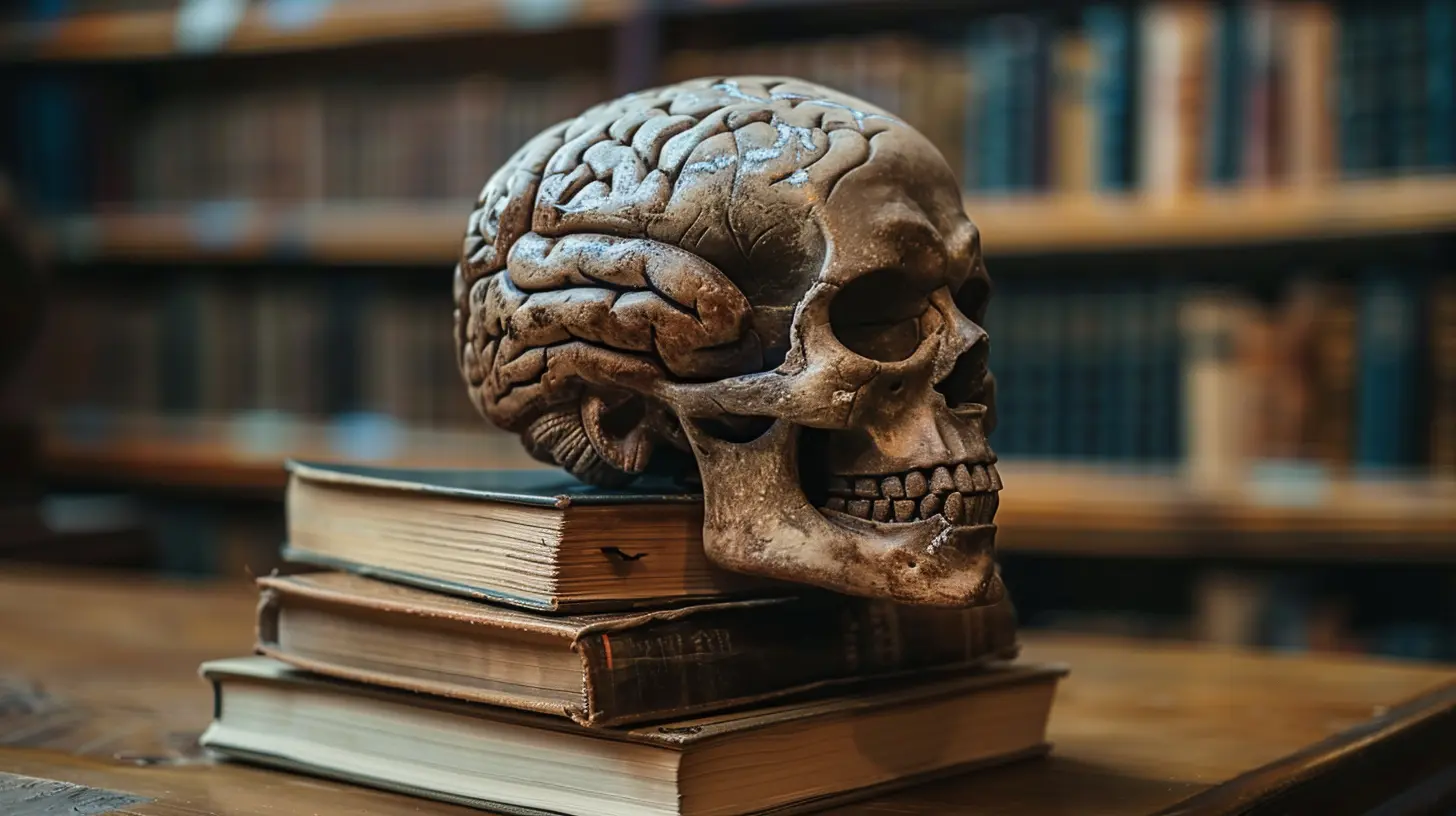
The Jury’s Still Out… But Not Without Bias
Oh, the jury. Our group of 12 strangers tasked with deciding someone’s fate. No pressure, right?Juries are supposed to be as neutral as Switzerland in winter. But in reality, jurors bring their own beliefs, past experiences, and—you guessed it—biases into the courtroom.
1. Stereotyping
When jurors make assumptions based on a defendant’s race, gender, or background, that’s stereotyping. It’s one of the most dangerous biases in courtrooms. Studies have shown that people of color, particularly Black defendants, are often judged more harshly due to unconscious racial bias.Not cool. Not fair. Not justice.
2. Attribution Bias
This one’s sneaky. It’s when people explain someone else’s actions based on internal factors (“He’s just a bad person”) and their own actions based on external factors (“I was late because of traffic!”).So if a defendant shows emotion, a juror might label them as unstable. If they don’t? Cold and guilty. It’s a no-win situation.
3. Groupthink
Ever gone along with a bad decision just because everyone else seemed on board? That’s groupthink, and it loves jury rooms.If the majority starts leaning one way, especially if there's a strong personality in the room (you know the type), then other jurors may ditch their doubts just to keep the peace. Cue the unjust verdict.
The Prosecutor & Defense: Bias Plays Favorites
Lawyers are no immune to bias either. Their job? Win. Get the conviction or the acquittal. That goal can sometimes clash with objectivity.For example, a prosecutor might fall prey to prosecutorial tunnel vision—where they become so focused on a suspect's guilt that they ignore exculpatory evidence. Not intentionally evil, just... blinded by the win.
Defense attorneys, on the flip side, could become overly cynical and assume every piece of prosecution evidence is flawed, leading them to ignore actual red flags in their client’s story.
Again, everyone’s human. That’s the problem.
Bias Behind Bars: The Aftermath
A biased investigation doesn’t just mess up one case—it can have ripple effects. Wrongful convictions mean the real perpetrator is still out there. Families are shattered, reputations destroyed, and faith in the system? Poof.Organizations like The Innocence Project have exonerated folks who spent decades behind bars for crimes they didn’t commit—all thanks to eyewitnesses with faulty memories, biased lineups, or pressured confessions.
The price of bias in criminal justice isn’t just high—it’s tragic.
So… Can We Fix It?
Alright, let’s not spiral into existential despair. There’s hope. While we can’t delete biases (still waiting on that brain update), we can catch them in the act.1. Bias Training
More and more police departments and legal institutions are introducing bias awareness training. When you know what to look for, you're more likely to catch yourself before bias takes the wheel.2. Double-Blind Procedures in Lineups
This is a game-changer. In double-blind lineups, the officer showing the photos doesn’t know which one is the suspect. That way, they can’t (even unintentionally) influence the witness.3. Improved Jury Selection
Lawyers can vet for biases, yes, but courts are starting to allow jury psychologists to assist. Plus, more inclusive jury pools help reduce systemic biases.4. Recording Interrogations
Recording full interrogations—not just confessions—helps spot coercion, track biased questioning, and keep everyone honest. Also, it’s harder to gaslight someone when there’s a video.Final Thoughts: Bias is Inevitable, But Not Invincible
Cognitive biases are part of being human. They help us survive traffic, pick a sandwich, and guess people’s moods from emojis. But drop them in an investigation or courtroom setting, and suddenly lives are on the line.The justice system aims for truth, but when human minds are involved, objectivity isn’t a given—it’s a goal. One we have to actively work toward by shining a light on these biases, calling them out, and creating better processes that are less vulnerable to human error.
So next time you binge-watch a true-crime doc, remember: it’s not just about evidence. It’s about who saw that evidence, how they interpreted it, and what their brain was whispering in the background.
Justice may be blind, but it shouldn’t be biased.
all images in this post were generated using AI tools
Category:
Forensic PsychologyAuthor:
Christine Carter
Discussion
rate this article
1 comments
Mabel Vaughn
Oh great, just what we needed-more reasons to question if justice is really blind. Apparently, our brains are just as good at creating criminals as they are at convicting them... fantastic.
June 17, 2026 at 2:40 PM
Christine Carter
I get your frustration. It's crucial to recognize how our biases can influence outcomes. Understanding this is the first step toward real justice.