Music Therapy as a Tool for Managing Emotional Turmoil
15 February 2026
Ever had one of those days where everything feels like it’s spiraling out of control? Your thoughts are racing, your chest is tight, and even breathing feels like a chore? Emotional turmoil—whether caused by stress, trauma, anxiety, or depression—can be downright overwhelming. But what if the key to calmer waters was as simple as hitting "play" on your favorite song?
Welcome to the world of music therapy—a gentle, yet powerful, way to untangle emotional chaos and find your inner calm. You're not alone in your struggle, and here's the best part: healing might just start with a melody.
What Exactly Is Music Therapy?
Music therapy isn’t just listening to music when you're sad. It’s a scientifically backed therapeutic intervention guided by trained professionals. Through structured musical activities—like songwriting, improvisation, lyric analysis, singing, playing instruments, or just mindful listening—people explore and process their emotions in a safe space.Think of music therapy as a conversation, except instead of words, you use rhythm, melody, and harmony.
The Science Behind the Sound
So why does music affect us so deeply?Well, here’s the scoop: music taps into the same areas of the brain that control emotions, memory, and even motor skills. That’s why a song from your childhood can instantly bring back vivid memories—or why fast-paced music gets your heart pumping.
Music helps regulate the release of hormones like dopamine and cortisol. It can lift your mood, reduce stress levels, and even slow down your heart rate when you’re feeling anxious. It’s not magic—it’s neuroscience doing its thing.
How Music Therapy Helps Manage Emotional Turmoil
1. Emotional Expression Without Words
Sometimes, words just aren’t enough. Or maybe they’re too hard to find.Music gives voice to emotions we can’t articulate. Whether you're banging on a drum to release anger or composing a gentle melody when you're grieving, music lets your emotions exist in a way that feels safe and natural.
2. Stress Reduction
Ever notice how your body relaxes when soft piano music plays in the background?Music therapy reduces physiological signs of stress—lowering blood pressure, relaxing muscles, and even improving breathing. It’s like a lullaby for your nervous system.
3. A Healthy Distraction
When you're caught in a spiral of anxious thoughts, music can provide a mental escape. It shifts your focus, allowing your brain to reset and take a break from emotional overload.It’s not about ignoring your problems—it’s about giving yourself the space to return to them with a clearer mindset.
4. Boosts Mood and Energy
Upbeat songs can increase dopamine—the “feel-good” chemical in your brain. You know that feeling when your favorite jam comes on and suddenly you can't help but move to the rhythm? That’s dopamine doing a happy dance.In music therapy, practitioners harness this natural high to enhance motivation, especially in individuals battling depression or trauma.
5. Fosters Connection and Belonging
Music is universal. It transcends language, age, culture—you name it.Group music therapy sessions can foster a sense of community and reduce feelings of isolation. Sharing rhythms, harmonies, or even just a mutual love for a song can help you feel seen, heard, and not so alone.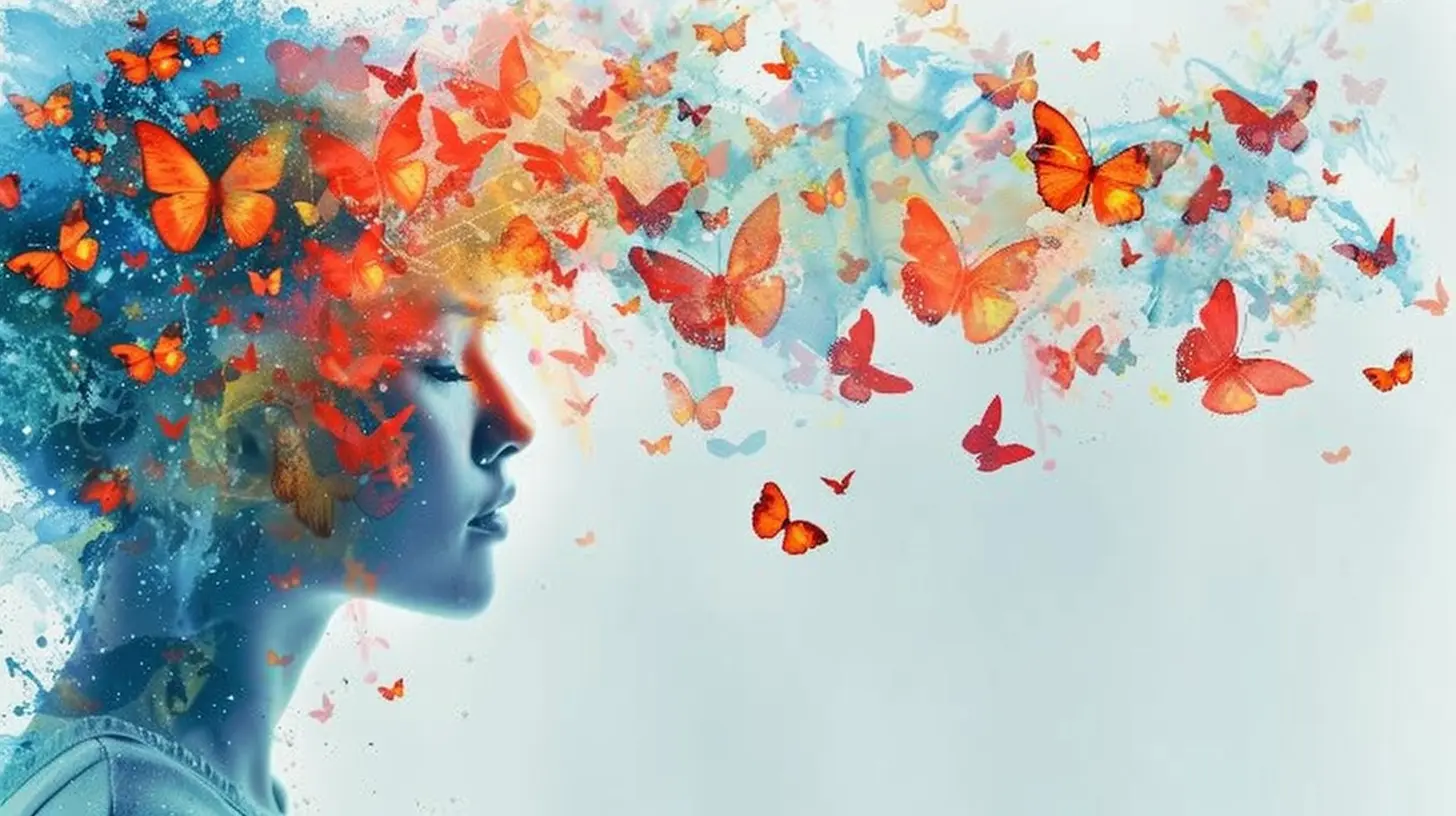
Sounds That Heal: What Types of Music Work Best?
Here’s the thing: there’s no one-size-fits-all playlist for healing. People respond differently to different sounds based on their past experiences, preferences, and emotional states.That being said, here are some genres commonly used in therapy:
- Classical & Instrumental – Calm, slow melodies help reduce anxiety and slow down brain activity.
- Jazz & Blues – Often used to express complex emotional states or facilitate introspection.
- Ambient & Nature Sounds – Great for grounding and mindfulness sessions.
- Pop & Rock – Uplifting tracks can energize and improve mood.
- World Music – Ethnically inspired tracks help connect with cultural roots and identity.
A trained music therapist will tailor the experience specifically to you. They may even help you create your own music as a form of self-expression and healing.
Real-Life Examples: When Music Hits the Right Note
Let’s bring this to life with a couple of quick stories (names changed for privacy):Emma's Story: Post-Breakup Depression
Emma was in her mid-20s, dealing with heartbreak that left her emotionally paralyzed. Talk therapy wasn’t working—it felt like too much pressure to talk.She started music therapy and began with just listening sessions. Over time, she moved into writing lyrics, expressing everything she couldn’t say out loud. Within weeks, her journal was filled with songs cataloguing her journey from grief to self-love. Music became her mirror.
James’ Journey: PTSD & Trauma Recovery
After serving in the military, James struggled with intense PTSD and anger issues. Words felt useless, and his emotions were bottled up like a shaken soda can.Through drumming and rhythm exercises, James found a release. The physicality of hitting a drum while working within structured beats helped him feel control—a huge win for someone whose life had felt chaotic. Eventually, he opened up through songwriting.
Music Therapy Techniques You Can Try at Home
While a certified music therapist tailors the experience to your needs, there’s a lot you can start doing on your own to explore music as a coping tool.Here are a few techniques you can try today:
1. Mood Playlists
Create different playlists tailored to how you feel—or how you want to feel. For example:- Feeling anxious? Opt for slow, soothing instrumentals.
- Need energy? Crank up the upbeat pop or rock.
- Feeling nostalgic? Throw on those 90’s jams and relive the glory days.
2. Lyric Journaling
Pick a song that resonates with you and write down the lyrics. Highlight parts that stand out or relate to your current emotions. Then journal why those lines hit home.This deepens your emotional awareness and gives you clarity over what you're feeling.
3. Musical Breathing
Play a soft instrumental track and match your breathing to the rhythm. Try inhaling for 4 beats, holding for 4, and exhaling for 6. It’s music-infused mindfulness.4. Create Your Own Soundtrack
Think of your life as a movie—what’s playing in the background right now? What song would play during a comeback scene? Try creating a playlist that tells your story.This not only helps you process emotions but can also be empowering as heck.
How to Find a Music Therapist
If you're ready to take things a step further, connecting with a licensed music therapist is a great move. Look for professionals certified by organizations like the American Music Therapy Association (AMTA).There’s no age limit or prerequisite to start—whether you’re 9 or 90, music therapy meets you exactly where you are.
When to Consider Music Therapy
Music therapy can benefit almost anyone, but it can be especially helpful if you:- Are dealing with chronic stress or anxiety
- Feel emotionally numb or disconnected
- Have experienced trauma or loss
- Are going through big life changes (breakups, illness, etc.)
- Struggle to express yourself verbally
- Want a new tool to support mental health
Even if you're simply curious—it’s worth exploring. After all, your mental health toolkit should be as vibrant and diverse as possible.
Final Notes: Healing Through Harmony
Life throws curveballs—it’s just part of the gig. But music? That’s one tool that can soften the impact, help you regain your footing, and—even if just for a few moments—bring peace to the storm inside.Music therapy is not about being a great singer or playing an instrument. It's about feeling, connecting, and healing. So the next time you're in emotional chaos, grab those headphones. Let rhythm be your refuge. Let melody be your medicine.
Because sometimes, it’s not answers we need. It’s a song.
all images in this post were generated using AI tools
Category:
Mood DisordersAuthor:

Christine Carter
Discussion
rate this article
2 comments
Nora McDonald
This article beautifully highlights the healing power of music therapy. It’s amazing how melodies can serve as a refuge during emotional turmoil. Thank you for shedding light on this invaluable tool—it's a gentle reminder of the comfort and connection music can bring to our lives.
March 12, 2026 at 5:01 AM
Christine Carter
Thank you for your kind words! I'm glad the article resonated with you and emphasized the profound impact music therapy can have during difficult times.
Will Vasquez
This article effectively highlights music therapy's potential in emotional regulation, yet it could delve deeper into empirical studies that validate its efficacy, ensuring a balanced perspective on its therapeutic impact.
February 17, 2026 at 4:28 AM
Christine Carter
Thank you for your feedback! I appreciate your suggestion and will consider incorporating more empirical studies to strengthen the article's perspective on music therapy's efficacy.