How Cognitive Dissonance Affects Political Activism
8 July 2026
Let’s be honest—politics is messy. Whether you're waving protest signs, debating on social media, or just trying to make sense of everything around election season, there's a lot going on emotionally and mentally. One psychological concept that plays a surprisingly big role in political activism is cognitive dissonance.
But what does that even mean? And more importantly, how does it shape the way we show up for the causes we believe in?
In this article, we’ll dive deep into how cognitive dissonance affects political activism. We’ll break down the psychology behind it, examine real-life examples, and talk about how understanding this concept can help make us more thoughtful, engaged, and maybe even kinder political participants.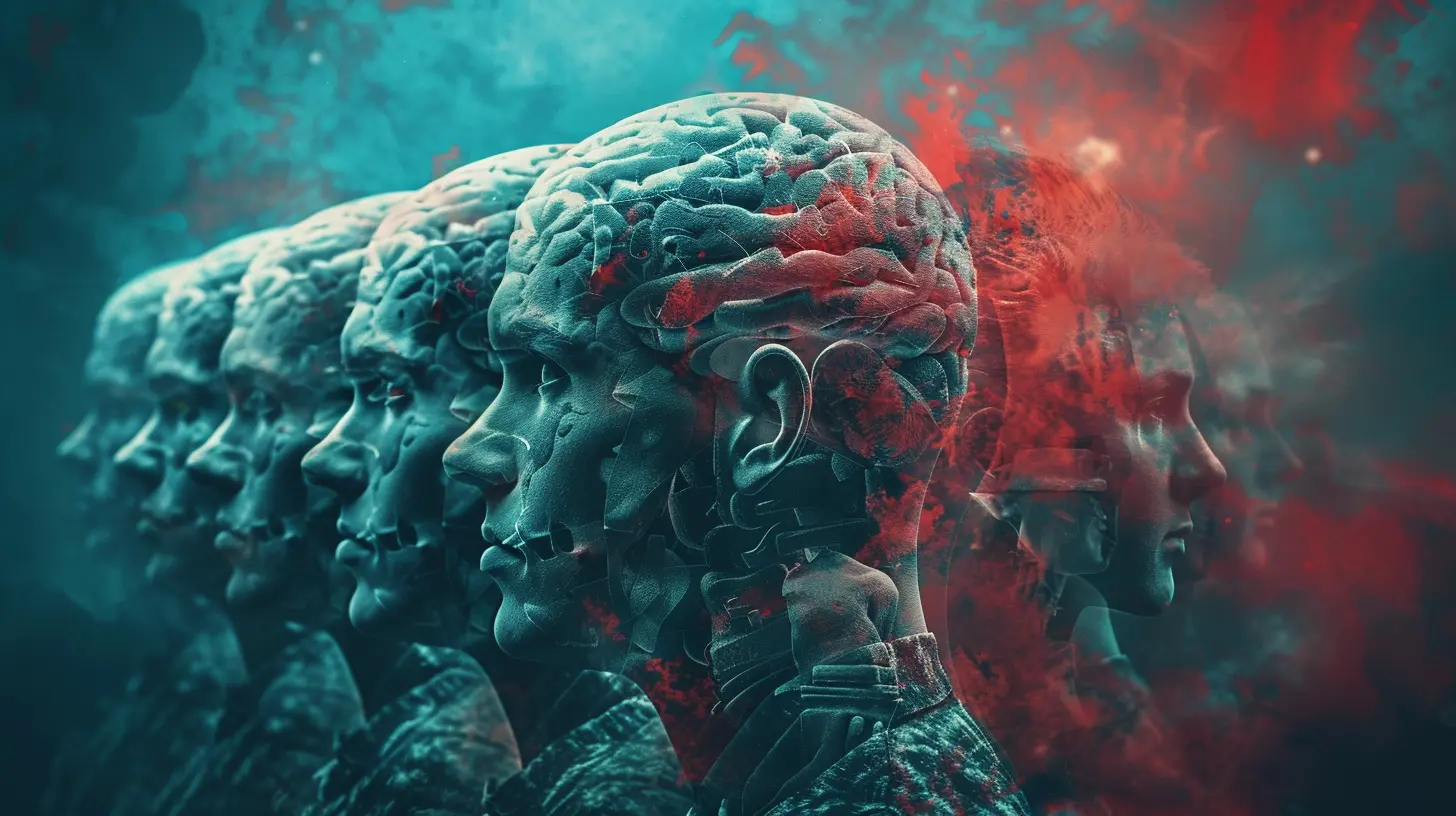
What Is Cognitive Dissonance, Anyway?
Let's start at square one.Cognitive dissonance is a psychological term for that uncomfortable, nagging feeling you get when your beliefs, actions, or attitudes don’t quite line up. It was first introduced by psychologist Leon Festinger in the 1950s. Think of it like mental friction—your brain trying to make sense of conflicting thoughts.
For example, let’s say you believe in protecting the environment, but you drive a gas-guzzling SUV. That uncomfortable twist in your gut when you think about climate change? That’s cognitive dissonance creeping in.
Your brain wants harmony. When two beliefs or behaviors clash, it’s like setting off an internal alarm—and our minds rush to silence it.
So, How Does Cognitive Dissonance Play Into Politics?
Politics isn’t just about laws and leaders. It’s about identity, values, and how we see ourselves in the world. That makes it a perfect storm for cognitive dissonance.Let’s walk through a few ways this mental discomfort shows up in political activism.
1. The Drive to Stay Consistent With Our Beliefs
A lot of people enter political activism because they care deeply about a cause. Once they’ve spoken up or taken action, they feel pressure—sometimes even subconsciously—to stay consistent.Think about it: if you've marched in a protest for racial justice, and later see evidence that contradicts your views, your brain hits a wall. That’s dissonance. To avoid that discomfort, many activists will either double down on their beliefs or dismiss contradicting information altogether.
In short, once we’ve taken a stand, we’re emotionally invested. Changing our minds feels like betraying ourselves.
2. Supporting Flawed Leaders or Movements
It happens all the time. A political leader you support does something wrong, maybe even unethical. What do you do?Cognitive dissonance kicks in hard. You’re caught between your belief that your leader stands for what’s right—and the news that they’ve done something clearly wrong.
To ease the tension, people often rationalize: “Well, everyone makes mistakes,” or “The media is just biased.” It's easier to excuse bad behavior than to admit our support might’ve been misplaced.
This doesn't mean people are stupid or hypocritical—it means they’re human. The mind prefers comfort over conflict. And that creates gray areas in moral judgment, especially in politics.
3. In-Group vs. Out-Group Dynamics
Ever notice how political debates can get… aggressive? Like, really heated?That's because cognitive dissonance often involves social identity.
We tend to align ourselves with political groups that reflect our values. Once that identity is formed, criticizing the group—even when it’s clearly in the wrong—feels like criticizing ourselves.
So when someone from the "other side" points out flaws in your movement or beliefs, you might not hear their words. Instead, your brain hears, “You’re wrong. You’re not who you think you are.” That hits deep.
Rather than engage, many people react defensively, shut down, or fight back. Again, not because they’re unwilling to listen—but because it’s emotionally painful to confront conflicting views.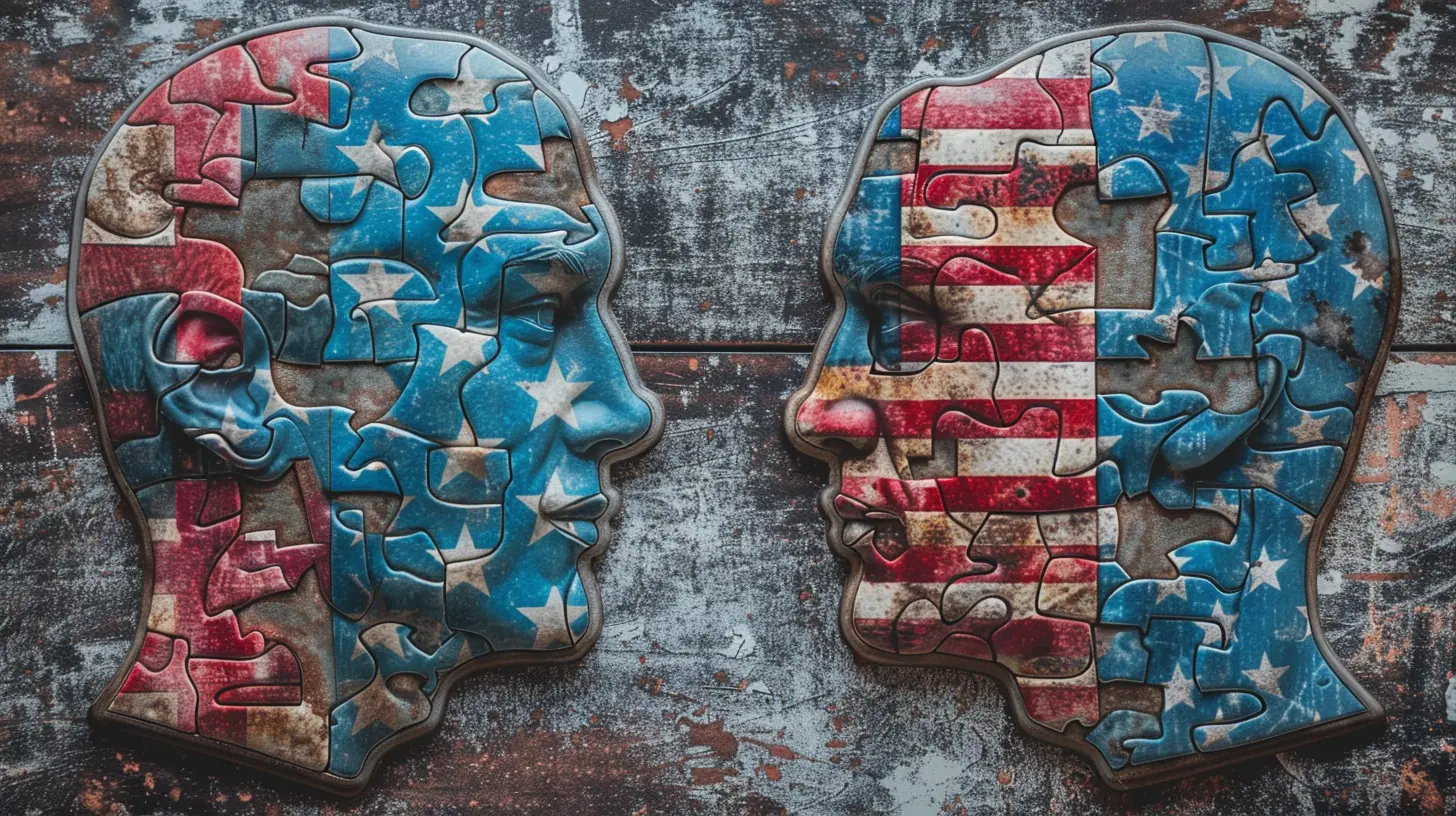
Real-Life Examples of Dissonance in Political Activism
Let’s break this down with some actual scenarios.Example 1: Climate Activism & Lifestyle Choices
Imagine someone who's passionate about saving the planet. They advocate for renewable energy, attend climate rallies, and share facts about carbon footprints online.But… they also fly frequently for vacations and eat a lot of meat.
They may feel dissonance between their activism and their actions. To resolve it, they might:
- Justify: “I buy carbon offsets, so it's fine.”
- Minimize: “One person's actions don’t really matter.”
- Change behavior: “Maybe I’ll go vegetarian and cut back on flights.”
The third option lessens dissonance by aligning actions with beliefs. But the path someone takes depends on a variety of personal factors.
Example 2: Political Scandals
Remember when a politician was caught in a scandal, and their supporters still stood by them? That's classic dissonance in action.Supporters might say, “This is a smear campaign,” or “They’ve done so much good, one mistake doesn’t define them.” Their loyalty is not about facts—it’s about resolving the internal conflict between admiration and disappointment.
Can Cognitive Dissonance Actually Be Helpful for Activism?
Here’s the interesting part: cognitive dissonance isn’t all bad. In fact, it can be a powerful motivator for change.When used constructively, it pushes people to:
- Re-examine their beliefs
- Take more consistent and meaningful actions
- Grow in empathy and understanding
Let’s say someone starts volunteering at a shelter and realizes their beliefs about homelessness were based on stereotypes. That moment of dissonance can either cause them to retreat—or to reflect and evolve. If they choose the latter, dissonance becomes a catalyst for personal and social transformation.
The Role of Social Media in Amplifying Dissonance
Social media has become a central hub for political activism—but it also fuels cognitive dissonance like never before.We’re constantly flooded with information—videos, tweets, articles—that challenge our views. And let's face it: it’s overwhelming.
When people are repeatedly exposed to conflicting information, they do one of three things:
1. Ignore It: Scroll past anything that doesn’t align with their beliefs.
2. Rationalize It: Frame the new info to fit their existing narrative.
3. Engage With It Honestly: Challenge their own beliefs and consider other perspectives.
But let’s be real—number three is rare. Not because people are closed-minded, but because it requires emotional energy and vulnerability. And on the internet, that’s risky business.
How To Manage Cognitive Dissonance When You’re Politically Active
Alright, so now that we’ve dug into the psychology, how can we actually use this understanding to be better activists (and less stressed-out humans)?Here are a few tips:
1. Acknowledge It
First step? Notice when you're feeling that internal tug-of-war. That uncomfortable feeling is a sign that something’s out of sync. Don’t ignore it—get curious about it.2. Ask Honest Questions
Challenge yourself. If you hear something that rattles you, ask:- Could there be some truth here?
- Am I avoiding this because it makes me uncomfortable?
- What would I think if the roles were reversed?
This kind of introspection builds mental flexibility—and makes you a stronger activist.
3. Seek Diverse Perspectives
It’s tempting to stay in our echo chambers. But exposing ourselves to different viewpoints (even if we disagree) helps reduce extreme polarization—and keeps our own thinking sharp and compassionate.4. Don’t Fear Growth
Changing your mind isn’t weakness—it’s strength. Imagine how much healthier political discourse would be if more people said, “I used to think that, but I’ve learned something new.”It’s not about flipping sides—it’s about evolving.
Final Thoughts: Embrace the Discomfort
If you care deeply about justice, change, and making the world better, you’re going to feel cognitive dissonance. It comes with the territory.But instead of running from it, what if we leaned in?
What if we treated those moments of internal conflict as signposts—guiding us to think deeper, act smarter, and stay humble?
Political activism is a powerful force for good. But it becomes even more powerful when fueled not just by passion, but by self-awareness. Cognitive dissonance is a part of being human. And when we understand it, we become more effective advocates, better listeners, and (hopefully) more compassionate citizens.
So, the next time something doesn’t sit right with you—pause. Reflect. Adjust. That discomfort? It’s your brain doing its job. And that’s a good thing.
all images in this post were generated using AI tools
Category:
Cognitive DissonanceAuthor:

Christine Carter
Discussion
rate this article
1 comments
Harlow McGinn
Cognitive dissonance can fuel political activism by pushing individuals to reconcile conflicting beliefs. This internal struggle often motivates action, highlighting the complex interplay between personal values and societal issues.
July 11, 2026 at 4:13 AM
Christine Carter
Absolutely, the tension from cognitive dissonance can drive people to align their beliefs with their actions, spurring activism. It's fascinating how inner conflict can lead to real-world change.