How Cognitive Science Explains the Placebo Effect
6 January 2026
Have you ever felt better after taking a sugar pill, just because someone told you it would help? That, my friend, is the magic of the placebo effect—and it's more science than sorcery. While it might sound like a psychological sleight of hand, there's actually a deep-rooted explanation behind it. Believe it or not, your brain holds the reins when it comes to healing, even when the medicine isn’t "real" medicine at all.
So, what’s really going on here? Let’s unpack how cognitive science explains the placebo effect in a way that’s not just brainy but also pretty mind-blowing.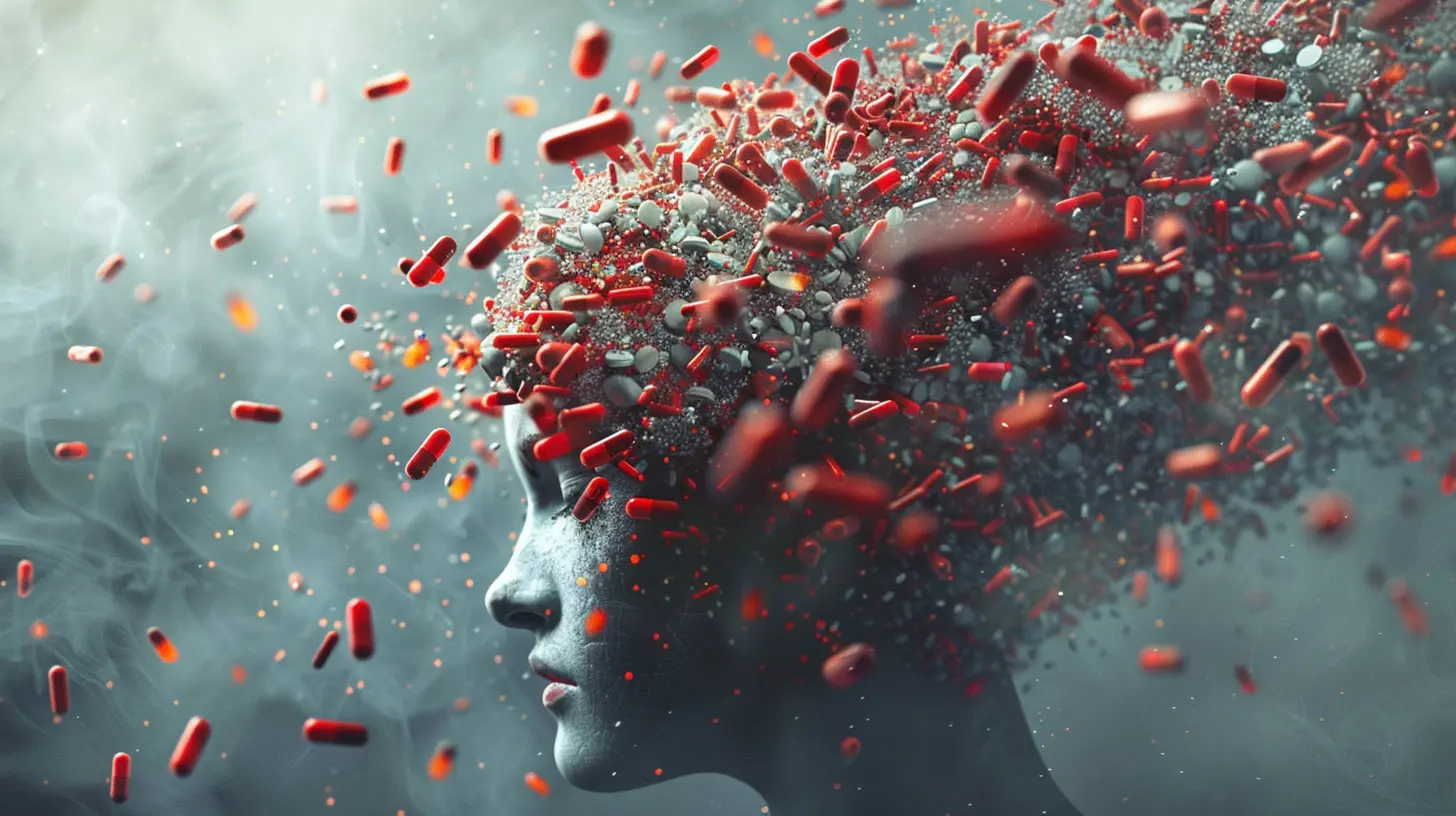
What Actually Is the Placebo Effect?
Before we dissect this with cognitive science goggles, let’s get really clear on what we’re talking about.The placebo effect happens when someone experiences a real improvement in their symptoms after receiving a treatment that has no therapeutic value. That could be a sugar pill, a saline injection, or even a fake surgery (yes, fake surgeries have been studied!). The kicker? The person genuinely feels better—not because of the treatment itself, but because they believe it's going to work.
Crazy, right?
But this isn’t just a trick of the mind—it’s a powerful demonstration of how perception and belief can physically affect the body. And this is where cognitive science steps in to explain the nuts and bolts of what’s going on upstairs.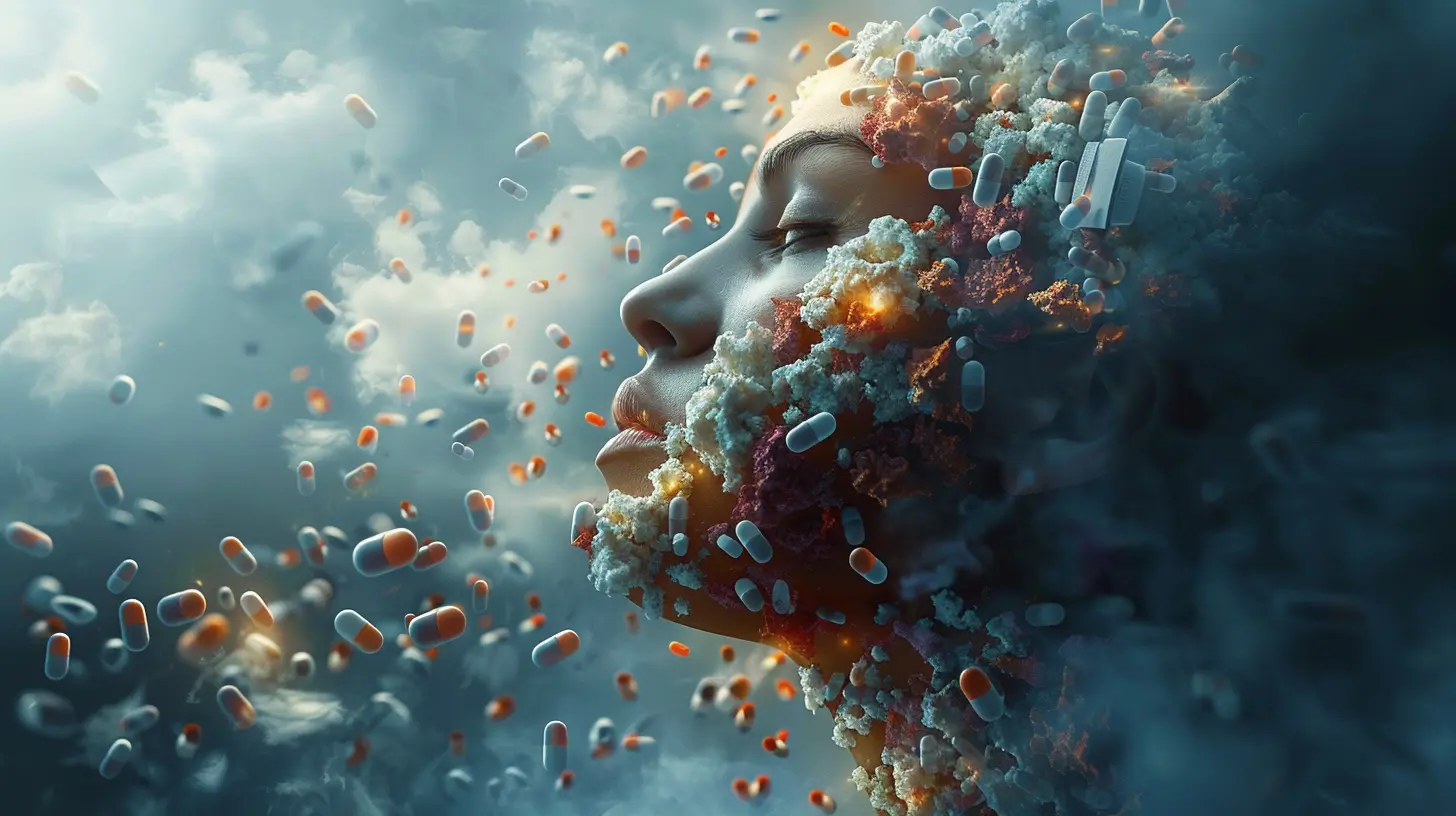
Cognitive Science: The Mind’s User Manual
Cognitive science is like a backstage pass to the brain. It pulls insights from psychology, neuroscience, philosophy, linguistics, and even artificial intelligence to explore how we think, learn, remember, and feel.When it comes to the placebo effect, cognitive science doesn’t just chalk it up to “mind over matter.” It digs into how and why our thoughts and beliefs can lead to measurable changes in the body.
Let’s break down the key players in this mind-body performance.
The Power of Expectation: Your Brain’s Hype Machine
One of the coolest things about the placebo effect? It all starts with expectation.Your brain is constantly predicting what’s going to happen next. It's like your internal weather app—always trying to guess the forecast. When you take a pill that you’ve been told will ease your headache, your brain doesn’t wait for confirmation. It kicks into action and starts prepping your body for relief.
This expectation can actually trigger the release of real chemicals—like endorphins and dopamine—that mimic the effect of actual drugs.
Basically, your brain says, “Oh, we’re getting medicine? Great! Let me help out.” And boom—your symptoms improve.
Sounds a lot like a self-fulfilling prophecy, doesn’t it?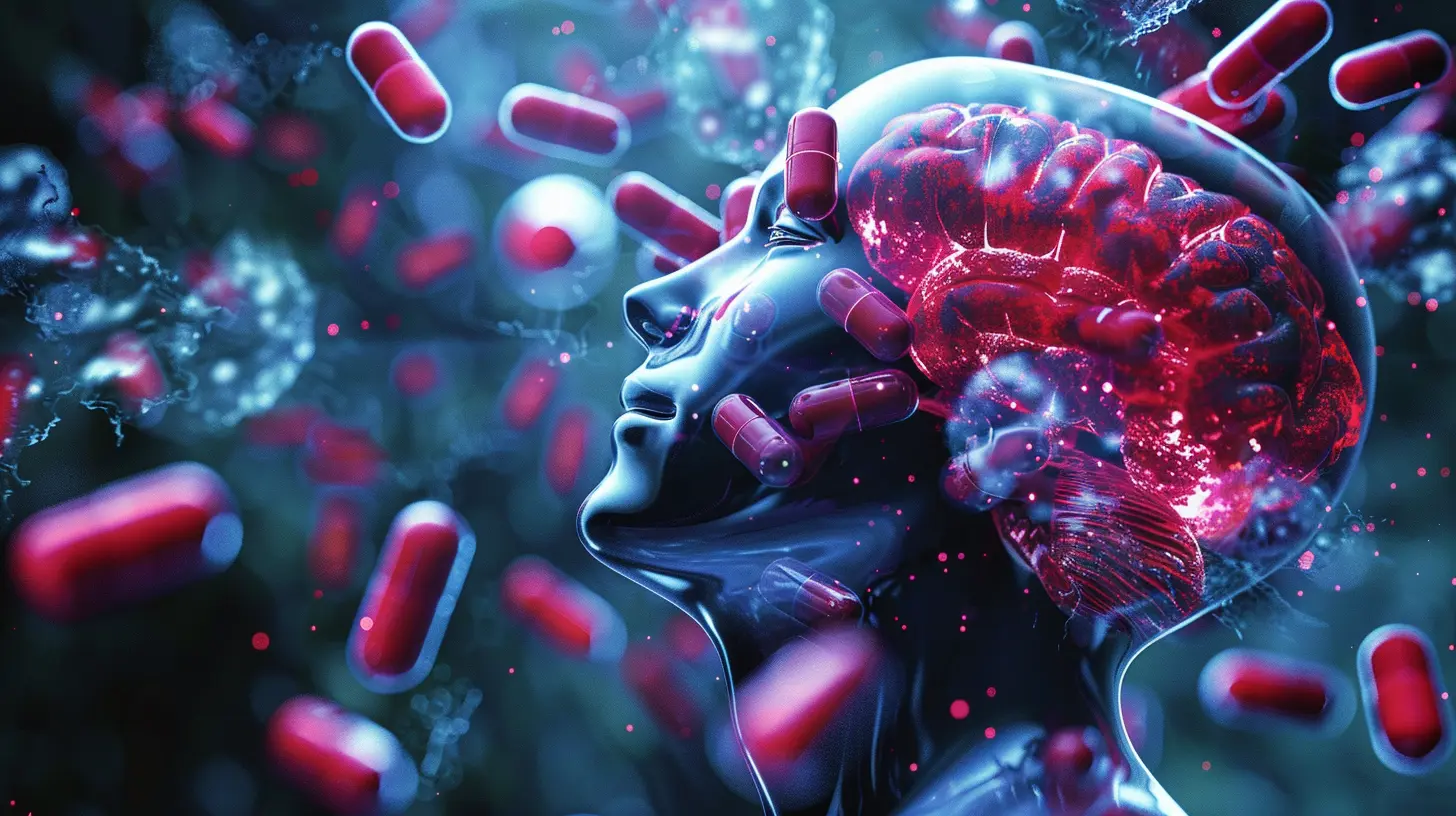
Conditioning: Your Brain Learns the Script
Ever heard of Pavlov’s dogs? Of course you have. They drooled when they heard a bell, simply because they associated it with food.Well, people aren’t so different. Cognitive science shows that classical conditioning can also explain the placebo effect.
If you’ve taken real medicine in the past and felt better afterward, your brain starts linking pills with relief. So even when you take a fake pill, the brain goes, “Aha! I know this routine. Time to feel better!” It’s like muscle memory, but for your nervous system.
What’s wild is this doesn’t just apply to pills. Placebos can work in creams, injections, and even fake surgeries—all because of prior experiences and learned associations.
Attention and Perception: You Find What You Focus On
Here’s a fun psychological twist—what we focus on changes what we feel.Have you ever been so sure you caught a cold that you started feeling sick, only to realize a day later you were totally fine? Or the opposite—felt amazing just because you thought you were getting better?
Cognitive science tells us that attention shapes perception. If you believe something will help, you're more likely to notice subtle improvements and less likely to dwell on discomfort.
Your brain is like a spotlight. Shine it on pain and the pain feels worse. Turn it toward healing, and suddenly your symptoms feel manageable.
The placebo effect leverages this by flipping your attention toward a positive outcome. And guess what? That shift genuinely affects your experience.
The Brain’s Reward System: Treat Yourself to Healing
Cognitive science loves talking about the brain's reward system, and the placebo effect practically throws a party in there.When your mind expects a benefit from treatment, the brain releases dopamine—a feel-good chemical involved in motivation, pleasure, and pain relief. It's the same chemical that spikes when you eat your favorite dessert or accomplish a goal.
So, by simply believing in the treatment, you’re actually triggering a biological reward response.
In studies, people receiving a placebo have shown brain activity similar to those receiving actual drugs. That’s how strong your brain's belief system can be—it's literally high-fiving itself for a job well done.
The Role of Emotions: Hope vs. Despair
Let’s get emotional for a second. Hope isn’t just a fuzzy feeling—it’s a brain state.Cognitive science shows that emotions play a massive role in how we respond to placebos. Hope, trust, and optimism act like turbo boosters for the placebo effect. They enhance expectation and help the body respond more positively.
On the flip side, anxiety and mistrust can shut that whole system down. If you're skeptical about a treatment or nervous it won’t work, guess what? You probably won't experience much of a placebo effect.
So yes, it really does pay to look on the bright side—especially when it comes to mental and physical health.
Social and Cultural Influences: Belief in the Air
Never underestimate the sway of society. Culture and social context add another layer to how placebos work.Think about it: If everyone around you is raving about a new wellness trend, you're more likely to buy into it—and benefit from it—even if the science is a bit fuzzy.
Cognitive science shows that group beliefs, authority figures (like doctors), and even the way treatments are marketed can influence the placebo effect. The language, ritual, and branding of medicine matter more than we think.
So in a way, belief isn’t just personal—it’s contagious.
Neuroplasticity: Rewiring the Brain Through Belief
Get ready for one of the most exciting words in cognitive science: neuroplasticity.This is your brain’s ability to change and adapt based on experience. It’s how you learn new skills, recover from brain injuries, and—yep—experience the placebo effect.
When you consistently expect positive outcomes, you may literally rewire your brain to respond better to treatments, stress, and symptoms.
Think of it like upgrading your brain’s operating system. The placebo effect leverages this by using belief as a software patch that boosts your mental and physical resilience.
The Nocebo Effect: The Dark Side of Expectation
Here’s a twist you didn’t see coming—the same cognitive mechanisms that make placebos work can also make you feel worse. This is called the nocebo effect.If you expect a treatment to cause side effects or fail, your brain might start generating symptoms to match that belief. You could feel nauseous, anxious, or even in pain—all from the power of negative thinking.
So the placebo effect isn’t just about getting better. It’s a broader insight into how expectations shape reality—for better or worse.
What This Means for Mental Health
Now, here’s where things get really fascinating—understanding the placebo effect can totally reshape how we approach mental health.Many conditions like depression, anxiety, and chronic pain are deeply influenced by mindset, perception, and emotional state. That doesn’t mean they aren't real (they 100% are), but it does mean that belief and expectation can play a powerful role in recovery.
Therapists and doctors now recognize that how treatments are delivered—how warm, confident, and engaged the clinician is—can literally affect outcomes as much as the treatment itself.
Again, it’s not about faking it until you make it. It’s about acknowledging that belief is part of the treatment.
So… Is the Placebo Effect “All in Your Head”?
Yes—and no.Yes, because the effect originates in your brain. But no, because the results ripple across your entire body. Pain subsides, symptoms ease, and moods lift—all due to real biological reactions triggered by belief.
Cognitive science doesn’t brush this off as fake or imaginary. Instead, it sees the placebo effect as proof of just how interconnected your mind and body really are.
It reminds us that healing isn't always about chemicals—sometimes it’s about confidence.
Final Thoughts: Belief as a Biohack
Here’s the bottom line: Your beliefs aren't just thoughts floating in your head. They're active ingredients in your health and well-being.The placebo effect is a powerful testament to the brain’s ability to influence the body, and cognitive science helps us understand the fascinating mechanics behind it.
So the next time you feel a bit better just because someone said, “You’ll be okay,” know this—it wasn’t “just in your head.” It was your brain doing what it does best: believing, predicting, and healing.
And honestly? That might be the most powerful medicine of all.
all images in this post were generated using AI tools
Category:
Cognitive ScienceAuthor:

Christine Carter
Discussion
rate this article
2 comments
Owen McNair
Insightful article! The connection is fascinating and enlightening.
January 30, 2026 at 5:13 AM
Christine Carter
Thank you! I'm glad you found it fascinating. Cognitive science offers incredible insights into the placebo effect!
Nala McCollum
This article brilliantly elucidates the intricate interplay between cognition and perception, highlighting how belief and expectation can profoundly influence health outcomes, thus revealing the powerful mind-body connection inherent in the placebo effect.
January 13, 2026 at 5:32 PM
Christine Carter
Thank you! I'm glad you found the article insightful. The mind-body connection is indeed a fascinating aspect of cognitive science and its impact on health.