How Childhood Trauma Contributes to the Development of Personality Disorders
30 July 2026
Childhood isn’t always the carefree, playful time we often imagine. Sometimes, it's filled with events that are painful enough to cast long shadows into adulthood. Ever noticed how some people seem to carry invisible emotional baggage? That load often stems from what they experienced in their early years.
Let’s delve into something that’s not talked about nearly enough: the link between childhood trauma and personality disorders. It's heavier than your average pyschology blog topic, sure—but it's real, and understanding it could be life-changing for many.

What is Childhood Trauma, Anyway?
Before we connect the dots to personality disorders, let’s clear up what we mean by "childhood trauma." It's not just about physical abuse or neglect. Trauma can be:- Emotional neglect (like being ignored or constantly criticized)
- Witnessing domestic violence
- Losing a parent (through death, divorce, or abandonment)
- Living in a chaotic or unpredictable home
- Being bullied or humiliated
Basically, trauma is any deeply distressing or disturbing experience that overwhelms a child’s ability to cope. Kids don't come with emotional armor. When they’re hurt repeatedly or feel unsafe over a long period, it leaves marks—not just on their memories but on the very wiring of their developing brains.

Personality Disorders: Let’s Break It Down
You’ve probably heard of personality disorders—maybe Borderline Personality Disorder (BPD), Narcissistic Personality Disorder (NPD), or Antisocial Personality Disorder. But what exactly are they?Personality disorders are long-standing, deeply ingrained patterns of thinking, feeling, and behaving that are significantly different from cultural expectations. They cause distress or problems in daily functioning—whether in relationships, jobs, or self-image.
Think of personality disorders like a psychological GPS that’s been badly programmed. No matter how hard the person tries to “drive right,” their internal navigation keeps steering them off course.
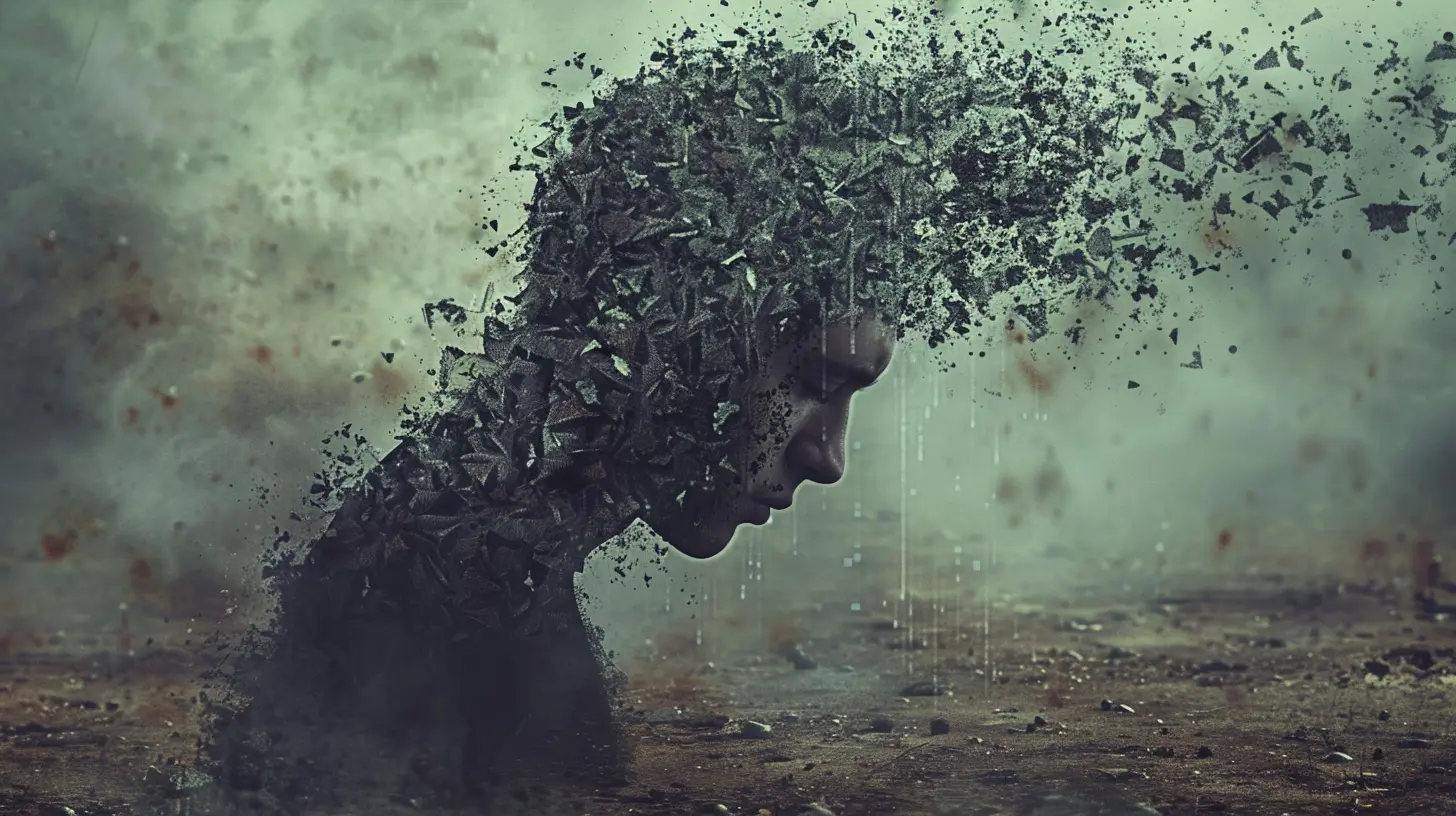
Connecting the Dots: Trauma as the Root of the Storm
Now, here’s where the rubber meets the road. Many experts now believe that personality disorders don’t just pop up randomly—they often stem from unresolved trauma, especially trauma in childhood.So how does that work?
Imagine a child growing up in an environment where love is conditional, fear is constant, or safety is unpredictable. Their developing brain learns how to survive, not thrive. Their personality becomes shaped by the need to defend and protect themselves—even if those survival mechanisms become maladaptive later in life.
Let’s go into detail on how specific types of childhood trauma can create the foundation for different personality disorders.
Emotional Neglect: The Silent Wound
Emotional neglect is like being invisible in your own home. No beatings, no yelling—but no warmth either. Your feelings are dismissed or ignored. Over time, you learn that emotions are dangerous or pointless.Can This Lead to Avoidant or Schizoid Personality Disorders?
Absolutely. People who were emotionally neglected often grow up avoiding relationships or deeply fearing rejection. They may believe they’re inherently flawed, or that they don’t deserve to be loved.These aren’t just shy people. Their entire personality structure has been built to avoid attachment, vulnerability, and intimacy—as if they’re emotionally wearing thick armor they can’t take off.
Physical and Emotional Abuse: The Double Whammy
Being physically or emotionally abused creates a deep sense of mistrust. If the very people who were supposed to protect you caused you harm, your perception of the world shifts dramatically.Enter Borderline Personality Disorder (BPD)
People with BPD often struggle with intense fears of abandonment, mood swings, and unstable relationships. Doesn’t that make sense if you grew up in an environment where love and abuse came from the same person?Their emotional regulation systems were literally never given the chance to develop properly. Instead of learning how to feel safe and stable, they learned to expect chaos and betrayal.
Abandonment and Loss: The Empty Space
Losing a parent—whether through death, divorce, or emotional desertion—leaves a gaping hole. For a child, this feels like the world cracked in half.Could This Create Avoidant or Dependent Personality Styles?
Definitely. These children often grow up believing that people leave, so they either:- Cling desperately to relationships (Dependent Personality Disorder), or
- Shut everyone out to avoid getting hurt again (Avoidant Personality Disorder)
Either way, their early loss becomes the blueprint for intimacy. It’s not about immaturity—it’s about survival tactics that became hardwired.
Growing Up in Chaos: The Trauma of Unpredictability
Sometimes the trauma isn’t one big tragic event—but a constant, low-grade anxiety created by inconsistency. Maybe one day your parent is loving, the next they're violent or neglectful. You're always on edge, trying to predict what version of them you'll face.This Can Lead to Narcissistic or Paranoid Personality Traits
When kids grow up in chaotic homes, they might develop a false self to gain approval. They learn to suppress their real emotions and "perform" just to stay safe.In some cases, this sets the stage for Narcissistic Personality Disorder—where self-worth is externally driven, and emotional vulnerability is walled off. Paranoia can also bloom from always assuming the next emotional ambush.
The Brain’s Role: Trauma Actually Reshapes It
This isn’t just pop psychology—it’s neuroscience. Studies show that chronic childhood trauma can actually alter:- The amygdala (fear and emotion center)
- The hippocampus (memory and learning)
- The prefrontal cortex (decision making and impulse control)
These aren’t small changes. These brain shifts explain why people with trauma histories may have poor impulse control, unstable moods, or difficulty trusting others—all hallmark features of personality disorders.
The Attachment Factor: Why Relationships Become a Minefield
Attachment theory gives us another lens. If you didn’t form a secure bond with your caregiver, you may struggle to feel safe in relationships as an adult.Children who experienced trauma often develop insecure or disorganized attachment styles. That means their relationships are either enmeshed, avoidant, or a chaotic mix of both. Mix in a personality disorder, and you’ve got a recipe for relational distress all around.
It’s not that they don’t want love—they’re just following a flawed internal relationship map.
Epigenetics: Trauma That Travels Through Generations
Here’s a fascinating (and slightly eerie) twist: Some research suggests trauma can be passed down through generations via epigenetic changes, which alter how genes express themselves.That means the trauma your grandmother experienced might subtly influence your own personality and coping mechanisms. It's not fate, but it’s certainly a factor.
Is Everyone With Trauma Doomed to a Disorder?
Not at all. That’s the hopeful part.Trauma increases the risk, but it’s not a guarantee. Protective factors like:
- A stable relationship with at least one caring adult
- Supportive school environments
- Therapy and early intervention
…can make a world of difference.
Also, many people with early trauma develop incredible resilience and empathy. They may choose to process their grief and pain constructively rather than destructively.
Healing and Hope: It's Never Too Late
If you’re reading this and seeing yourself in these patterns, take a breath. You’re not broken—you’re responding to a history that shaped you. But here’s the good news: brains, beliefs, and behaviors can change, especially with the right support.Therapies like Dialectical Behavior Therapy (DBT), Cognitive Behavioral Therapy (CBT), and trauma-informed care have helped countless people shift their patterns.
Think of it like emotional physical therapy. It’s hard, sometimes painful—but always worth it.
Final Thoughts: Connecting Compassion With Understanding
When we understand the deep connection between childhood trauma and personality disorders, we stop viewing people through a lens of blame or judgment. Instead, we see them through a lens of compassion and curiosity.Personality disorders aren’t signs of moral failure or weak character. They’re adaptive responses to experiences that were never meant to be endured in the first place.
By acknowledging the roots of the problem, we can begin to plant seeds of healing—for ourselves, for others, and for future generations.
all images in this post were generated using AI tools
Category:
PsychopathologyAuthor:

Christine Carter
Discussion
rate this article
1 comments
Brittany Willis
This article sheds light on the often overlooked connection between childhood trauma and personality disorders. Understanding how early experiences shape our personalities can lead to better treatment options for those affected. It's a crucial topic that deserves more attention in both psychological research and public discussion.
August 23, 2026 at 4:31 AM