Can Rehabilitation Work? A Forensic Psychologist’s Viewpoint
21 August 2026
When we hear about criminals, our minds often jump straight to punishment. Lock them up, throw away the key, right? But what if people could change? What if rehabilitation actually worked? That’s exactly what forensic psychologists aim to find out.
Rehabilitation is a complex, controversial topic in the world of criminal justice. Some believe it's a waste of time, while others argue it’s the key to reducing crime in the long run. So, can rehabilitation work? Let’s break it down from the perspective of a forensic psychologist.

What Is Rehabilitation in Criminal Justice?
Rehabilitation is the process of helping offenders change their behavior and reintegrate into society. Unlike punishment, which focuses on retribution, rehabilitation aims to address the root causes of criminal behavior.Programs can include:
- Therapy and counseling – Addressing mental health issues, trauma, and emotional regulation.
- Education and vocational training – Providing skills that help offenders find jobs post-incarceration.
- Substance abuse treatment – Reducing drug-related crimes by treating addictions.
- Anger management programs – Helping individuals manage aggression and prevent violent outbursts.
The ultimate goal? To reduce recidivism (the tendency of a convicted criminal to reoffend) and create safer communities.

Why Do Some People Commit Crimes?
Before we even talk about rehabilitation, we need to ask: Why do people commit crimes in the first place? There’s no single answer, but forensic psychologists have identified several key factors:1. Environmental Factors
Many offenders come from backgrounds filled with poverty, neglect, or abuse. Growing up in crime-ridden neighborhoods or dysfunctional families can increase the likelihood of criminal behavior.2. Psychological and Mental Health Issues
Many individuals who break the law struggle with mental health disorders—depression, PTSD, schizophrenia, or personality disorders can play a role in criminal activity. Without proper treatment, impulsivity and aggression may take over.3. Substance Abuse
Drugs and alcohol impair judgment, lower inhibitions, and fuel criminal acts. Many crimes, from theft to violent offenses, are committed under the influence.4. Lack of Proper Support Systems
Not having stable relationships, mentors, or a strong community makes it easier for people to make poor decisions. Social bonds play a massive role in keeping people out of trouble.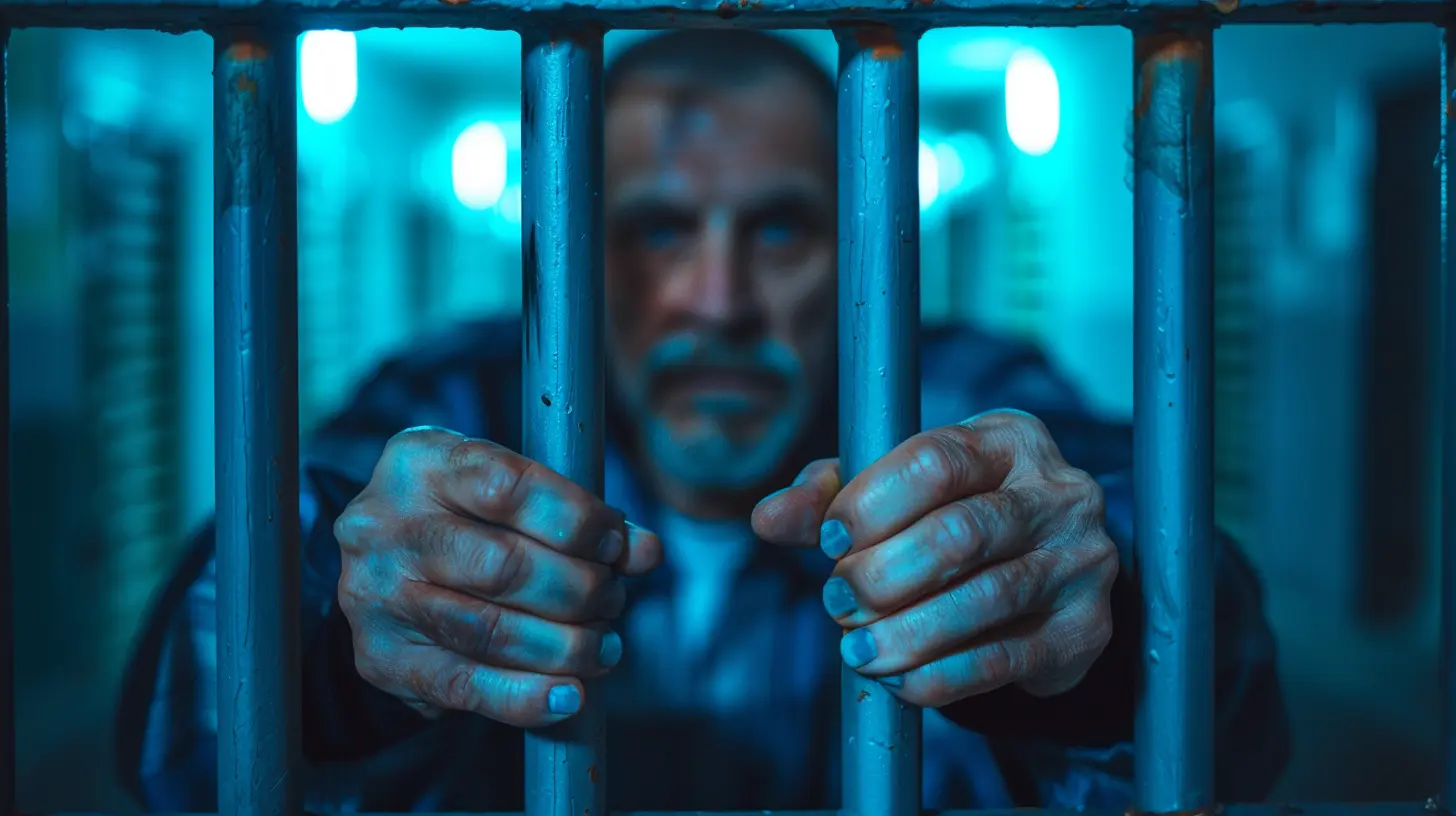
Does Rehabilitation Actually Work?
Now for the million-dollar question: Can a criminal truly change? Yes—but it depends on various factors.1. The Effectiveness of Rehabilitation Programs
Research shows that well-designed rehabilitation programs can significantly reduce recidivism. But not all programs are created equal. Those that address the root causes of crime—mental health, addiction, behavioral therapy—tend to be much more effective than generic “life skills” classes.Forensic psychologists argue that tailored, individualized programs work best. A violent offender’s rehabilitation needs will be vastly different from a non-violent drug offender's.
2. The Willingness of the Individual
You can lead a horse to water, but you can’t make it drink. Rehabilitation only works if the offender is committed to change. If someone doesn’t want to improve their life, even the best programs won’t make a difference.3. Support After Release Matters
Let’s say someone does well in a prison rehabilitation program—what happens when they get out? If they’re released into the same toxic environment, surrounded by the same negative influences, the chances of relapse into crime increase. This is why post-release support, such as halfway houses, job programs, and therapy, is crucial.4. Age and Maturity Levels
Younger offenders generally have a better chance at rehabilitation. The brain isn’t fully developed until around 25, meaning younger individuals are more likely to change than hardened criminals who've been offending for decades.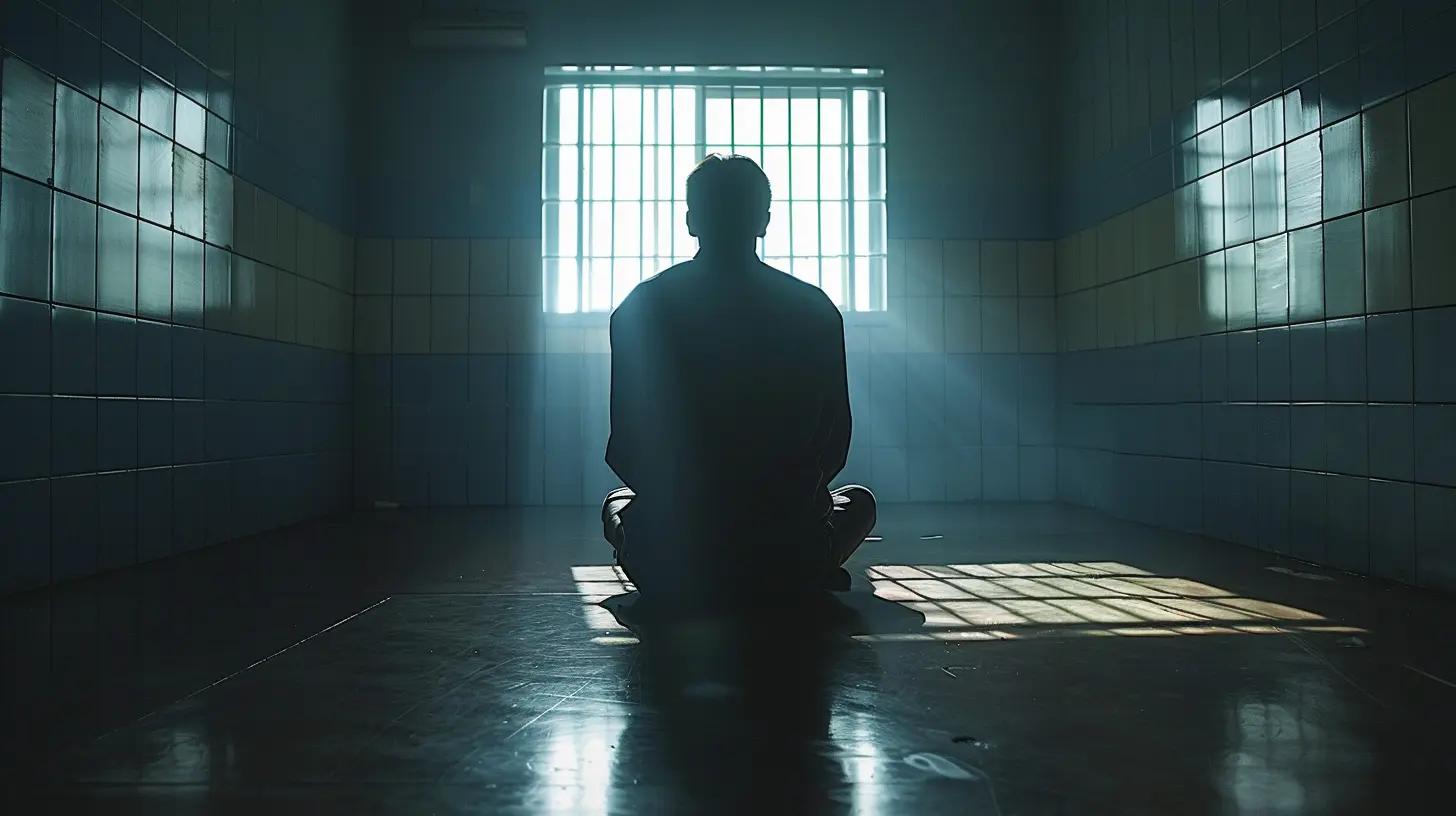
The Debate: Punishment vs. Rehabilitation
The justice system is torn between two approaches:- Punishment-focused justice: Harsh sentences, long prison terms, and little emphasis on reform.
- Rehabilitation-focused justice: Shorter sentences, therapy, and skill-building to reintegrate offenders into society.
Critics of rehabilitation argue that some criminals are simply beyond help. High-profile repeat offenders fuel the belief that "once a criminal, always a criminal."
On the other hand, forensic psychologists counter that harsh punishment alone doesn’t deter crime. In fact, it often makes things worse. Prisons can be breeding grounds for further criminal behavior, reinforcing negative patterns rather than breaking them.
Real-Life Success Stories of Rehabilitation
Sometimes, the best way to understand the power of rehabilitation is to look at real-life cases.1. The Story of Shaka Senghor
Shaka Senghor spent 19 years in prison for second-degree murder. During his time behind bars, he focused on self-improvement—reading, writing, and self-reflection. With support and education, he transformed his life and is now an author, lecturer, and criminal justice reform advocate.2. The Norway Model
Norway is famous for its rehabilitation-focused prison system. Their approach prioritizes therapy, job training, and reintegration. The result? One of the lowest recidivism rates in the world—just 20% compared to the U.S.’s 76%.
The Challenges of Rehabilitation
While rehabilitation has promise, it's not without its challenges.1. Public Perception
Many people believe criminals don’t deserve second chances. There’s a strong “tough on crime” mentality that makes rehabilitation programs hard to implement.2. Lack of Funding
Rehabilitation programs require money—therapy, education, and vocational training aren’t cheap. Many countries prioritize policing and prisons over rehabilitation efforts.3. Resistance from Offenders
Not everyone wants to be rehabilitated. Some offenders simply aren’t ready to change, no matter how many programs they’re placed in.4. Inconsistent Implementation
Some rehabilitation programs are run poorly or inconsistently, making them ineffective. Without proper oversight and trained professionals, these initiatives can fail.Final Thoughts: Should Societies Invest in Rehabilitation?
So, can rehabilitation work? The answer is yes, but not for everyone. While some offenders are beyond reform, many can—and do—change when given the right tools and support.Forensic psychologists emphasize that rehabilitation isn't just about helping the individual—it's about building safer communities. When done correctly, rehab reduces crime, lowers repeat offenses, and ultimately saves money on incarceration costs.
The real challenge is shifting society’s perspective. Instead of focusing solely on punishment, we need to ask ourselves: Do we want people to come out of prison worse or better than when they went in? If the goal is a safer society, rehabilitation needs to be part of the equation.
all images in this post were generated using AI tools
Category:
Forensic PsychologyAuthor:

Christine Carter
Discussion
rate this article
1 comments
Azura Jennings
Rehabilitation can be effective, but it requires commitment, proper resources, and a supportive environment for success.
September 1, 2026 at 4:32 AM