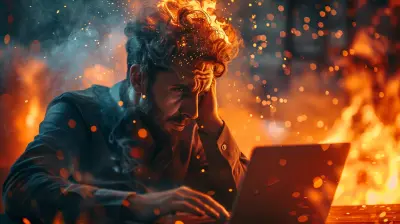
Conflict Resolution in Relationships: A Psychological Approach
6 August 2026
Relationships can be beautiful, fulfilling, and life-changing. But let’s be honest—no relationship is perfect. Every couple, no matter how in sync they are, faces conflicts. Sometimes, these disagreements are minor, like arguing over which restaurant to eat at. Other times, they can be major, involving deep-seated emotions and personal values.
The key to a healthy relationship isn’t avoiding conflict—it’s learning how to handle it effectively. That’s where psychology comes in. Understanding human behavior, emotions, and communication styles can help couples navigate conflicts in a way that strengthens their bond rather than tearing them apart.
This article will dive deep into conflict resolution in relationships from a psychological perspective. By the end, you’ll have practical strategies to handle disagreements with love, empathy, and mutual respect. 
Why Do Conflicts Happen in Relationships?
Before we can fix a problem, we need to understand why it happens in the first place. Conflicts in relationships often stem from:1. Communication Breakdowns
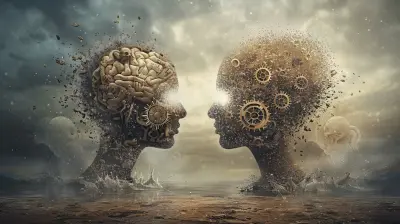
Misunderstandings are one of the biggest culprits behind conflicts. Sometimes, one partner says something, and the other interprets it entirely differently. Tone, body language, and different communication styles all play a role in how messages are received.2. Unmet Expectations
We all have expectations in a relationship, whether spoken or unspoken. When these expectations aren’t met, it leads to disappointment and frustration. For example, if one partner expects daily check-ins but the other prefers occasional communication, conflict is bound to arise.3. Differences in Values and Beliefs
Values shape our decisions and behaviors. If partners have opposing views on finances, parenting, or lifestyle choices, disagreements can become frequent and heated.4. Emotional Baggage
Past experiences shape the way we respond to conflicts. If someone has been hurt in a previous relationship, they may be more sensitive to certain issues, leading to overreactions or defensive behaviors.5. Power Struggles
In some relationships, one partner may try to control decisions or always have the final say. This imbalance can lead to resentment and ongoing arguments.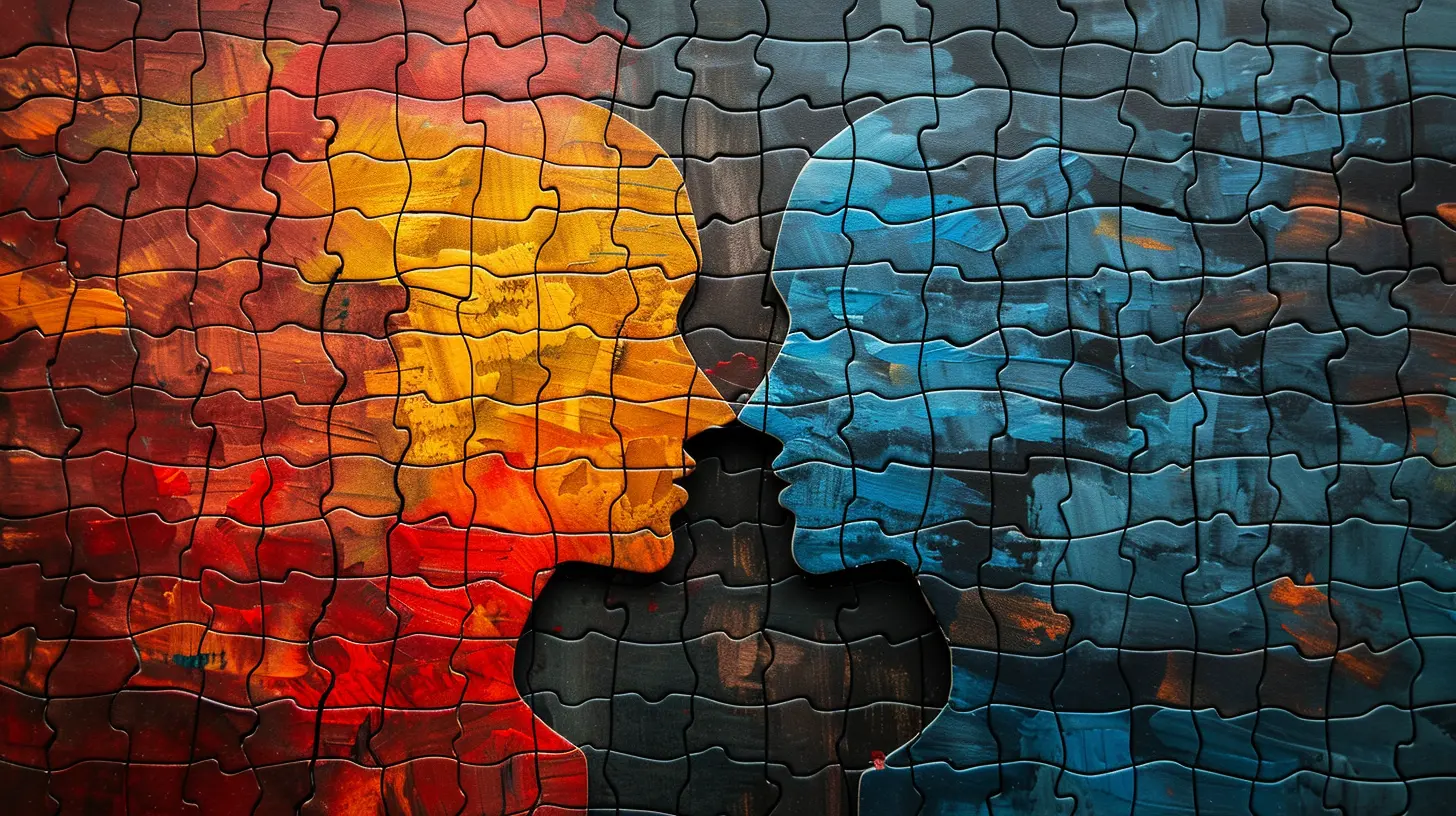
The Psychology Behind Conflict Resolution
Now that we know why conflicts arise, let's explore the psychological principles that can help resolve them.1. Emotional Intelligence: The Secret Weapon
Emotional intelligence (EQ) is the ability to recognize, understand, and manage your own emotions while also being aware of your partner’s emotions. High EQ helps in resolving conflicts by:- Improving self-awareness, so you know what triggers you
- Enhancing empathy, so you understand your partner’s perspective
- Encouraging emotional regulation, so disagreements don’t escalate into full-blown fights
Couples with high emotional intelligence are better at handling conflicts because they remain calm, listen actively, and work together toward a solution instead of attacking each other.
2. The Role of Attachment Styles
Your attachment style, formed in childhood, can significantly impact how you handle conflicts in relationships. The four main attachment styles are:- Secure Attachment: Comfortable with intimacy and communication; resolves conflicts calmly
- Anxious Attachment: Seeks reassurance and fears abandonment; may become overly emotional during conflicts
- Avoidant Attachment: Fears intimacy and avoids emotional discussions; may shut down during conflicts
- Fearful-Avoidant Attachment: A mix of anxious and avoidant; struggles with both closeness and distance
Knowing your attachment style (and your partner’s) can help you approach conflicts in a way that meets both of your emotional needs.
3. The Power of Active Listening
Most people listen to respond, not to understand. But true conflict resolution requires active listening—fully focusing on your partner without interrupting or formulating a rebuttal in your head.- Maintain eye contact
- Nod or give verbal affirmations like “I see” or “That makes sense”
- Paraphrase what your partner said to ensure understanding
- Ask clarifying questions instead of assuming
When both partners feel genuinely heard, tensions naturally ease, paving the way for a solution. 
Effective Conflict Resolution Strategies
Now for the good stuff—how to actually resolve conflicts in a healthy way!1. Use "I" Statements Instead of "You" Statements
Ever noticed how saying “You never listen to me!” instantly puts the other person on the defensive? Instead, try, “I feel unheard when we talk about important things.”“I” statements focus on feelings rather than assigning blame, making it easier for your partner to empathize rather than retaliate.
2. Take a Break When Emotions Get Overwhelming
When an argument gets heated, cortisol (the stress hormone) floods the brain, making rational thinking nearly impossible. Instead of continuing to argue, pause for 20-30 minutes to cool down.Use this break wisely—avoid stewing in anger and instead engage in calming activities like deep breathing, journaling, or taking a walk.
3. Find a Compromise, Not a Winner
Conflicts shouldn’t be about who’s right or wrong—they should be about finding a middle ground that satisfies both partners.Ask yourself: "How can we both get what we need here?"
Sometimes, it means meeting halfway. Other times, it requires taking turns making sacrifices for the sake of the relationship.
4. Show Physical Affection After Resolving Arguments
Psychologists suggest that physical touch—whether it’s a hug, holding hands, or a reassuring pat on the back—helps signal to the brain that the conflict is over. It reassures both partners that, despite disagreements, love remains intact.5. Set Ground Rules for Future Disagreements
Preventative measures go a long way. Sit down with your partner and set fair fighting rules, such as:- No yelling or name-calling
- No bringing up past mistakes
- No silent treatment
- Take turns speaking and listening
Establishing boundaries ensures that future conflicts remain respectful and productive. 
When to Seek Professional Help
While most conflicts can be resolved with open communication and compromise, some issues may require professional intervention.Consider therapy if:
- Conflicts are frequent and emotionally draining
- One or both partners feel unheard or invalidated
- There’s a pattern of toxic behaviors (manipulation, gaslighting, silent treatment)
- Trust has been broken and needs rebuilding
A licensed relationship counselor or therapist can help you both develop healthier communication patterns and resolve deep-seated issues.
Final Thoughts
Conflict in relationships is inevitable, but it doesn’t have to be destructive. By understanding the psychology behind conflicts and applying effective resolution strategies, couples can emerge from disagreements stronger and more connected than before.At the heart of it all, remember this: You and your partner are on the same team. It’s not about winning the argument—it’s about winning at love.
all images in this post were generated using AI tools
Category:
Psychology Of LoveAuthor:

Christine Carter
Discussion
rate this article
1 comments
Zephyros Lozano
Embrace understanding, for love flourishes in the heart's dialogue.
August 25, 2026 at 4:49 AM