Bipolar Disorder: Navigating the Highs and Lows of Mood Dysregulation
2 February 2026
If your emotions seem like they've hit a rollercoaster—one minute you're buzzing with energy and the next you're drowning in a pool of gloom—you're not alone. That intense ride could be more than just “mood swings.” It might be bipolar disorder. Yeah, the name might sound a bit clinical and heavy-handed, but understanding it doesn't have to be scary.
Let’s break it down together in a light-hearted yet informative way. We're diving into what bipolar disorder really is, how it impacts daily life, and most importantly, how you—or someone you love—can navigate life with it while still holding onto joy.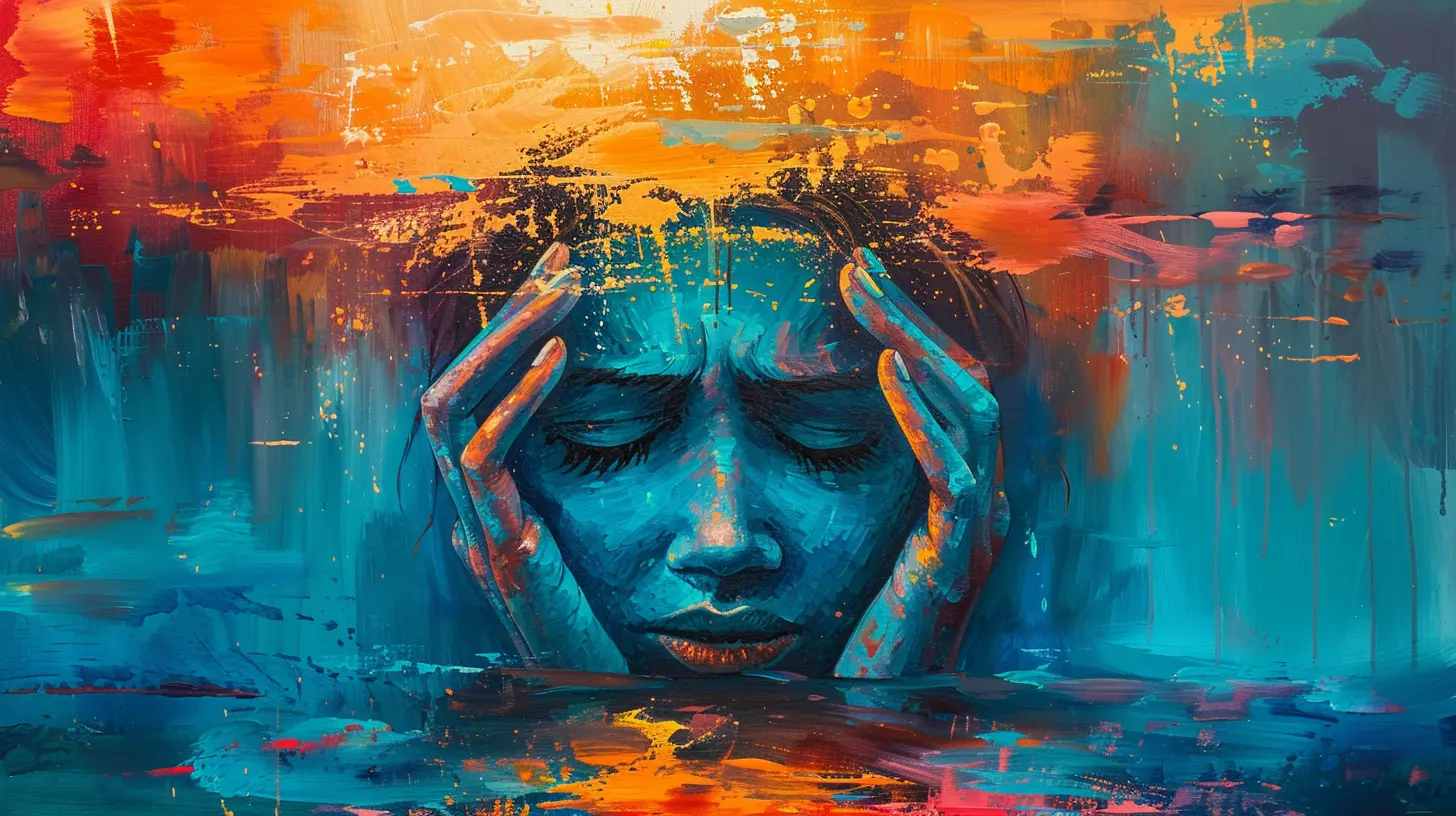
🌞 What Is Bipolar Disorder, Really?
Imagine your emotions as a thermostat that swings dramatically between very hot and freezing cold with barely any room for comfortable, room-temperature feelings. That’s kind of what bipolar disorder feels like.In more clinical terms, bipolar disorder is a mental health condition characterized by extreme mood swings. These include emotional highs (mania or hypomania) and crushing lows (depression). These aren’t your average good or bad days—they’re intense, often prolonged, and deeply impactful.
🧠 A Little Brain Science (Don’t Worry, This Will Be Fun)
Bipolar disorder messes with your brain’s chemistry, especially neurotransmitters like dopamine and serotonin—your mood’s BFFs. When these chemicals get out of whack, it can lead to manic or depressive episodes.Think of it like someone sneaking into your brain and fiddling with the controls—turning the volume to max one day and ripping the knob off the next.
💥 The Two (or Three) Faces of Bipolar Disorder
There isn't just one flavor of bipolar disorder. It shows up in a few different forms. Let’s break it down:1. Bipolar I Disorder
This is the big one. People with Bipolar I experience full-blown manic episodes that last at least 7 days or require hospitalization. They may also have depressive episodes that go on for 2 weeks or more.Mania? Think racing thoughts, zero need for sleep, inflated self-esteem, and risky behavior. It can seem like they’re on top of the world—but it’s not as fun as it sounds.
2. Bipolar II Disorder
Bipolar II is a bit sneakier. It involves hypomania (a milder form of mania) and deep depressive episodes. People often mistake hypomania for just “feeling super productive” or having a really good week.The depressive episodes, though? Those hit hard.
3. Cyclothymic Disorder
This is the rollercoaster with fewer loop-de-loops. It involves numerous periods of hypomanic and depressive symptoms over a 2-year span (1 year for kids/teens), but not full-blown episodes.Still exhausting, just less dramatic.
😬 Spotting the Signs: It’s Not Just Mood Swings
One of the trickiest things about bipolar disorder is that it often gets brushed off as someone just being "moody" or "dramatic." But bipolar isn’t about being emotional—it’s about emotional dysregulation. That’s a big difference.🚀 Signs of Mania/Hypomania:
- Feeling overly euphoric or irritable- Talking super fast, bouncing from topic to topic
- Sleeping very little but still feeling energetic
- Reckless behavior (shopping sprees, risky sex, bad investments)
- Inflated self-confidence or grandiosity
🧊 Signs of Depression:
- Feeling hopeless, helpless, or empty- Fatigue or low energy
- Sleeping too much or too little
- Losing interest in things you used to love
- Suicidal thoughts or behavior
These symptoms aren’t just fleeting—they can last days, weeks, or even months. And they derail all aspects of life: work, relationships, self-care…you name it.
🌈 What Causes It? (Spoiler Alert: It’s Not Your Fault)
Like any complex mental health condition, bipolar disorder doesn’t have a single cause. It's more like a perfect storm of genetics, brain chemistry, and environmental stress.🧬 Genetics
If someone in your family has bipolar disorder, your odds go up. It’s not a guarantee, but there’s definitely a hereditary link involved.🧪 Brain Function and Structure
Researchers have seen differences in the brains of people with bipolar disorder—particularly in areas that control mood, judgment, and impulses.🔥 Triggers
Stressful life events, lack of sleep, trauma, and even seasonal changes can trigger an episode. It’s not like you can "will" yourself into or out of bipolar disorder. It’s more about how your brain responds to what life throws your way.🧑⚕️ Getting Diagnosed: The First (And Bravest) Step
If this all sounds familiar and you're wondering, “Could this be me?” — the best thing you can do is talk to a mental health professional. Diagnosing bipolar disorder isn’t like taking a BuzzFeed quiz. It requires a detailed assessment, a look at your history, and sometimes even input from close family or friends.And hey, there’s no shame in that. In fact, getting diagnosed is one of the most empowering things you can do.
💊 Treatment Options: There's Hope (And A Lot of It!)
Here’s the good news: Bipolar disorder is totally treatable. While there’s no magic cure, many people with bipolar disorder live full, joyful, perfectly "normal" lives—whatever “normal” means to you.1. Medication
Mood stabilizers (like lithium), antipsychotics, and sometimes antidepressants are commonly used. It might take some trial and error to find what works best, but with patience and good communication with your doctor, most people find their groove.2. Psychotherapy
Talking it out helps. Cognitive Behavioral Therapy (CBT), Interpersonal Therapy, and Family-Focused Therapy are often recommended.It’s not just about talking—it’s about learning skills, strategies, and self-awareness.
3. Lifestyle Tweaks That Actually Help
- 🌙 Regular sleep schedule- 🏃♀️ Gentle exercise (Walks count!)
- 🧘 Mindfulness or meditation
- 🍽️ Balanced nutrition
- 🙅♂️ Avoiding drugs & alcohol
These little changes can have a massive impact—like having a daily toolkit to calm the storm.
👫 Loving Someone with Bipolar: What You Should Know
Let’s be real—loving someone with bipolar disorder can be tough. But with empathy, boundaries, and communication, it’s absolutely possible to have thriving, loving relationships.🧡 Be Their Anchor
Consistency and patience are your superpowers. Learn the signs of an upcoming episode and gently help them stay on track with their treatment plan.🤝 Set Boundaries
Support doesn’t mean sacrificing your own mental health. It’s okay (and essential!) to set healthy boundaries and care for yourself too.✨ Real Life with Bipolar: More Than the Diagnosis
Here’s what we often forget: people with bipolar disorder are not just their diagnosis.They are artists, CEOs, parents, adventurers, dreamers—you name it. Think Carrie Fisher, Demi Lovato, or Vincent van Gogh. Bipolar might be part of your story, but it doesn’t write the whole book.
🌟 Embracing Your Unique Superpowers
Yes, living with bipolar disorder has challenges, but it also comes with intense creativity, deep empathy, and resilience like no other. You’ve weathered mental hurricanes—don’t forget that.📘 Final Thoughts: You Are Not Alone
Whether you’re living with bipolar disorder or you love someone who is, remember this: bipolar is manageable. You’re not broken, flaky, or “too much.” You’re human—with a wildly unique brain that sometimes needs a little extra TLC.So, breathe. You’re doing better than you think. Let’s normalize the conversation, break the stigma, and remind everyone that mental wellness includes feeling ALL the feels—even the extreme ones.
📝 Small Daily Reminders You Can Stick On Your Mirror
- “This too shall pass.”- “I am not my diagnosis.”
- “Progress, not perfection.”
- “I’m allowed to rest.”
- “Mood swings don’t define me.
all images in this post were generated using AI tools
Category:
PsychopathologyAuthor:

Christine Carter
Discussion
rate this article
2 comments
Oberon Dillon
Insightful exploration of mood dynamics in bipolar disorder.
March 4, 2026 at 4:52 AM
Christine Carter
Thank you! I'm glad you found the exploration insightful. Your feedback means a lot!
Harrison Fisher
Navigating the ups and downs of bipolar disorder can be challenging, but remember: each day is a new opportunity for growth and understanding. Embrace your journey, lean on your support system, and celebrate the small victories along the way!
February 2, 2026 at 4:29 AM
Christine Carter
Thank you for your insightful comment! Embracing each day and leaning on support is crucial in this journey. Celebrating small victories truly makes a difference!