Young People Navigate Political Conversations with Caution
January 15, 2025 - 00:48

In today's polarized climate, young individuals are increasingly cautious about engaging in political discussions. While they are passionate about social issues and political activism, the potential for conflict often leads them to sidestep conversations that could jeopardize personal relationships. Many young people recognize that differing political views can create tension, especially among friends and family members.
This avoidance is not a sign of apathy; rather, it reflects a desire to maintain harmony in their social circles. Young people are aware that political debates can escalate quickly, leading to misunderstandings and hurt feelings. As a result, they often choose to focus on shared interests and values rather than risk alienating those close to them.
Moreover, social media plays a significant role in shaping these dynamics, as online discussions can become heated and divisive. Consequently, many young individuals prefer to keep their political opinions private, opting for a more diplomatic approach to conversations about sensitive topics. This trend highlights the importance of fostering respectful dialogue and understanding in a time when political divisions are more pronounced than ever.
MORE NEWS

October 8, 2026 - 15:57
Imitation Is How Children Learn More Than Just WordsWhen a toddler suddenly starts echoing a parent`s words, facial expressions or gestures, it can look like simple mimicry. Developmental psychology research, however, shows that imitation is closely...
October 7, 2026 - 21:42
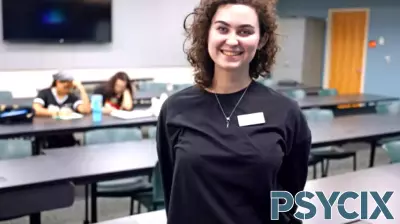
Geisinger Excited About Teaching at SCCKate Geisinger has joined Southeastern Community College as a full-time psychology instructor, bringing with her a strong commitment to student learning and intellectual growth. Geisinger says her...

October 7, 2026 - 03:39
Associate professor of psychology brings evidence-based mental wellness support directly to college studentsKaileigh Byrne, Wallace R. Roy Distinguished Associate Professor of psychology in the College of Behavioral, Social and Health Sciences, has spent years studying how people make decisions under...

October 6, 2026 - 01:22
Inside the Mind: How SailGP Teams Handle Pressure and Build Winning CulturesThe human side of elite sailing takes center stage in the newest chapter of SailGP`s documentary series Racing on the Edge, created alongside Rolex. This installment shifts focus away from boat...