Winning Strategies for Your New Year's Resolutions
December 30, 2024 - 13:14

As the New Year approaches, many individuals find themselves reflecting on their goals and aspirations for the coming year. New Year's resolutions often come with the promise of self-improvement, but sticking to them can be a challenge. To increase the chances of success, experts suggest employing a strategic approach known as WOOP, which stands for Wish, Outcome, Obstacle, and Plan.
The first step, Wish, involves identifying a meaningful goal that resonates personally. Next, envision the Outcome: what achieving this goal would look and feel like. This visualization can foster motivation and commitment. However, it's crucial to recognize potential Obstacles that may arise. Acknowledging these challenges prepares individuals to tackle them head-on rather than being caught off guard.
Finally, creating a Plan is essential. This plan should outline specific steps to overcome obstacles and stay on track. By implementing the WOOP strategy, individuals can transform their resolutions from mere wishes into achievable realities, paving the way for a fulfilling year ahead.
MORE NEWS

October 8, 2026 - 15:57
Imitation Is How Children Learn More Than Just WordsWhen a toddler suddenly starts echoing a parent`s words, facial expressions or gestures, it can look like simple mimicry. Developmental psychology research, however, shows that imitation is closely...
October 7, 2026 - 21:42
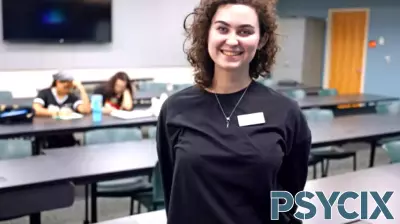
Geisinger Excited About Teaching at SCCKate Geisinger has joined Southeastern Community College as a full-time psychology instructor, bringing with her a strong commitment to student learning and intellectual growth. Geisinger says her...

October 7, 2026 - 03:39
Associate professor of psychology brings evidence-based mental wellness support directly to college studentsKaileigh Byrne, Wallace R. Roy Distinguished Associate Professor of psychology in the College of Behavioral, Social and Health Sciences, has spent years studying how people make decisions under...

October 6, 2026 - 01:22
Inside the Mind: How SailGP Teams Handle Pressure and Build Winning CulturesThe human side of elite sailing takes center stage in the newest chapter of SailGP`s documentary series Racing on the Edge, created alongside Rolex. This installment shifts focus away from boat...