The Psychology of ‘Friends’: What the Sitcom Reveals About Us
May 23, 2026 - 04:31
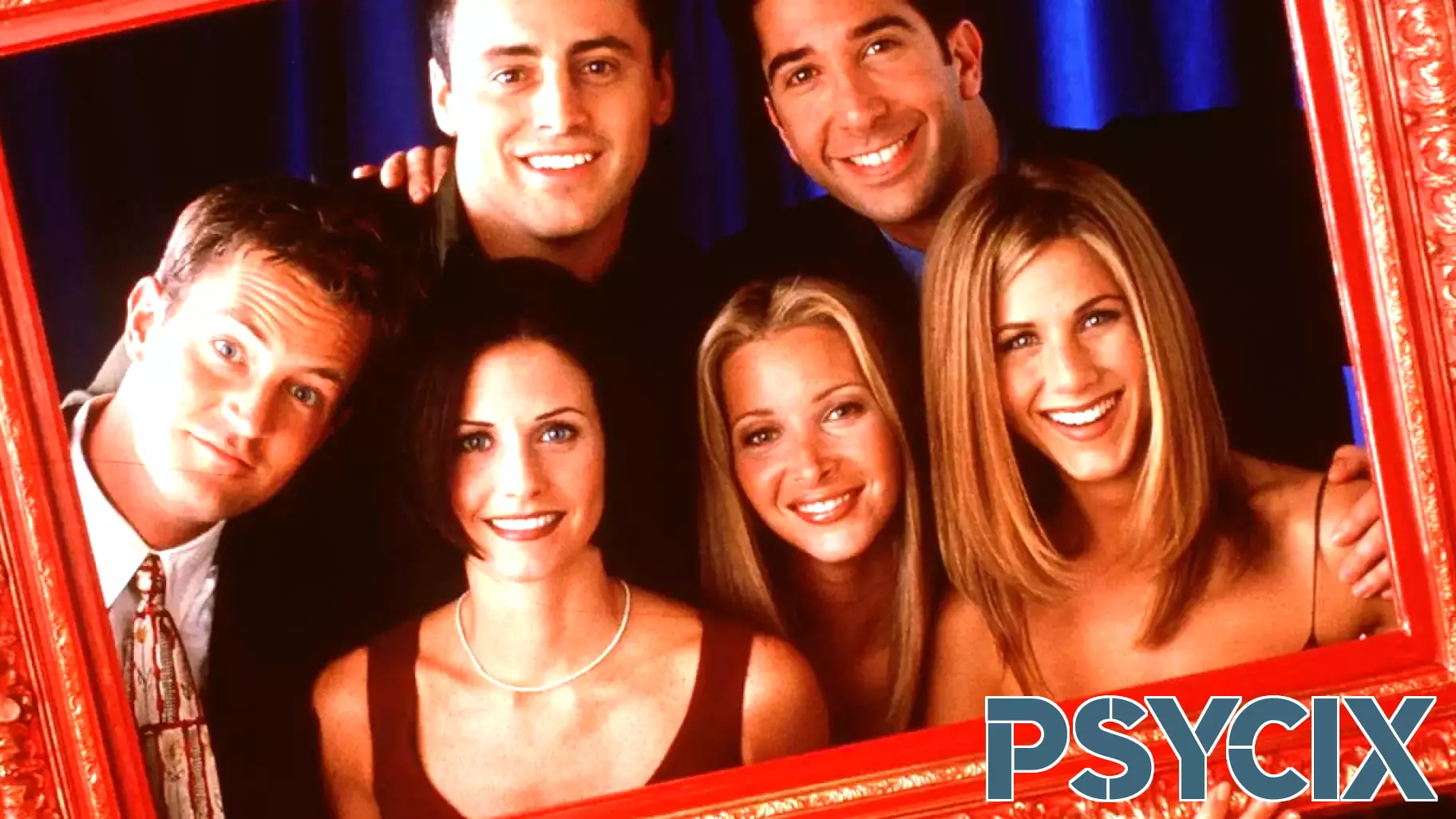
A therapist has taken a deep dive into "Friends," arguing that the beloved sitcom offers more than just laughs. It serves as a mirror for our own attachment styles, relationship patterns, and personal growth. The show, which ran for ten seasons, features six adults navigating their twenties and thirties in New York City. But beneath the humor and the iconic coffee shop setting, there are clear psychological dynamics at play.
For example, Monica Geller's need for control and order is often played for laughs. But a therapist might see it as a coping mechanism for her childhood as the "overlooked" sibling. Her perfectionism is not just a quirk; it is a way to manage anxiety and feel secure. Similarly, Chandler Bing's sarcasm and fear of commitment are textbook defenses against vulnerability. He uses humor as a shield, a pattern that stems from his parents' divorce. His slow journey toward emotional intimacy with Monica is actually a powerful example of how someone with an avoidant attachment style can heal through a secure relationship.
Then there is Ross Geller, whose three divorces and constant jealousy highlight an anxious attachment style. He craves reassurance and often sabotages his own relationships out of fear of abandonment. The infamous "we were on a break" argument is not just a plot device. It is a classic example of two people with different communication styles failing to repair a rupture in trust. Rachel Green's transformation from a sheltered waitress to a fashion executive is a masterclass in personal growth, showing how career ambition and self-reliance can reshape one's identity.
Even the friendships themselves offer lessons. The group functions as a chosen family, providing a secure base for each member. They model conflict resolution, forgiveness, and the importance of showing up for one another. For all its dated jokes and occasional problematic moments, "Friends" remains a rich text for understanding how we form bonds, repeat patterns, and ultimately, grow up.
MORE NEWS

October 4, 2026 - 17:27
Our Stone Age Minds Are Still EvolvingRecent genetic evidence suggests that our Stone Age brains have evolved since the Neolithic began, and that they are evolving now. For a long time, many researchers assumed that human cognition...

October 4, 2026 - 06:25
Why People Who Stop Seeking Approval Keep Quiet About These Personal ThingsPeople who have stopped chasing approval tend to share less about themselves, and the change is not about secrecy. It is about where the validation comes from. For them, the proof is in the...

October 3, 2026 - 18:25
The Psychology of Desire: Why a Cheap Pen Can Feel Like a Luxury ItemA basic Bic pen costs less than a quarter. A Hermes handbag can cost more than a car. On the surface, these two objects share nothing. Yet both can trigger the same psychological response in a...

October 3, 2026 - 14:38
Understanding How Video Games Shape Human BehaviorUMSL alum Nick Bowman returned to campus to explain how video games function as complex communication systems demanding cognitive, emotional and social engagement. His presentation focused on the...