Will Trump’s Return Affect FDA Policies on Psychedelics?
December 4, 2024 - 20:50

With Donald Trump potentially returning to the White House, questions arise about the future of FDA policies regarding psychedelics. During his administration, the FDA took a cautious approach to the regulation of psychedelic substances, which have gained attention for their potential therapeutic benefits in treating mental health conditions such as depression, PTSD, and anxiety.
As research on psychedelics continues to expand, advocates argue that a shift in FDA policies could accelerate the development of innovative treatments. Many experts believe that a more favorable regulatory environment could open doors for clinical trials and the eventual approval of psychedelic-assisted therapies.
However, the political landscape surrounding drug policy remains complex. The influence of various stakeholders, including pharmaceutical companies, mental health advocates, and the public, will play a crucial role in shaping the future of psychedelic research and treatment. As the nation grapples with mental health crises, the direction of FDA policies under a potential Trump administration could significantly impact the landscape of mental health care and innovation in the coming years.
MORE NEWS

October 9, 2026 - 01:11
Psychology Professors Raise Concerns About AI Dependence in StudentsPsychology professors are expressing growing concern that students` increasing reliance on artificial intelligence tools may be weakening essential cognitive and academic skills. In a recent...

October 8, 2026 - 15:57
Imitation Is How Children Learn More Than Just WordsWhen a toddler suddenly starts echoing a parent`s words, facial expressions or gestures, it can look like simple mimicry. Developmental psychology research, however, shows that imitation is closely...
October 7, 2026 - 21:42
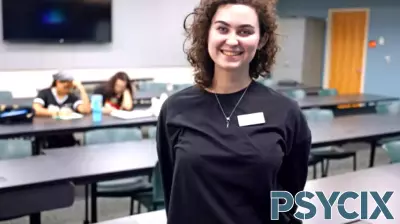
Geisinger Excited About Teaching at SCCKate Geisinger has joined Southeastern Community College as a full-time psychology instructor, bringing with her a strong commitment to student learning and intellectual growth. Geisinger says her...

October 7, 2026 - 03:39
Associate professor of psychology brings evidence-based mental wellness support directly to college studentsKaileigh Byrne, Wallace R. Roy Distinguished Associate Professor of psychology in the College of Behavioral, Social and Health Sciences, has spent years studying how people make decisions under...