Why Spending Your Free Time on Low-Skill Activities Lowers Your Happiness
April 24, 2025 - 16:29

Many individuals find themselves gravitating towards low-skill activities during their leisure time, despite the fact that engaging in skilled pursuits can lead to greater happiness and fulfillment. This tendency can be attributed to a variety of factors, including the immediate gratification that simpler tasks provide. Low-skill activities often require less mental effort, allowing for a sense of relaxation and escape from daily stressors.
However, research suggests that investing time in skilled activities—such as painting, playing a musical instrument, or engaging in sports—can foster a deeper sense of satisfaction and accomplishment. These activities challenge individuals, helping them to develop new competencies and enhance their self-esteem. The joy derived from mastering a new skill can be profound, leading to long-term happiness.
Moreover, skilled activities often promote social interaction and community engagement, which are essential for emotional well-being. In contrast, low-skill activities can lead to feelings of stagnation and boredom, ultimately detracting from overall happiness. Embracing skilled pursuits might require more effort and commitment, but the rewards can be well worth it, leading to a more fulfilling and joyful life.
MORE NEWS

October 8, 2026 - 15:57
Imitation Is How Children Learn More Than Just WordsWhen a toddler suddenly starts echoing a parent`s words, facial expressions or gestures, it can look like simple mimicry. Developmental psychology research, however, shows that imitation is closely...
October 7, 2026 - 21:42
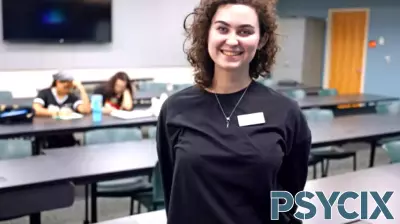
Geisinger Excited About Teaching at SCCKate Geisinger has joined Southeastern Community College as a full-time psychology instructor, bringing with her a strong commitment to student learning and intellectual growth. Geisinger says her...

October 7, 2026 - 03:39
Associate professor of psychology brings evidence-based mental wellness support directly to college studentsKaileigh Byrne, Wallace R. Roy Distinguished Associate Professor of psychology in the College of Behavioral, Social and Health Sciences, has spent years studying how people make decisions under...

October 6, 2026 - 01:22
Inside the Mind: How SailGP Teams Handle Pressure and Build Winning CulturesThe human side of elite sailing takes center stage in the newest chapter of SailGP`s documentary series Racing on the Edge, created alongside Rolex. This installment shifts focus away from boat...