What Keeps Us Connected to the Dead?
June 5, 2026 - 10:12
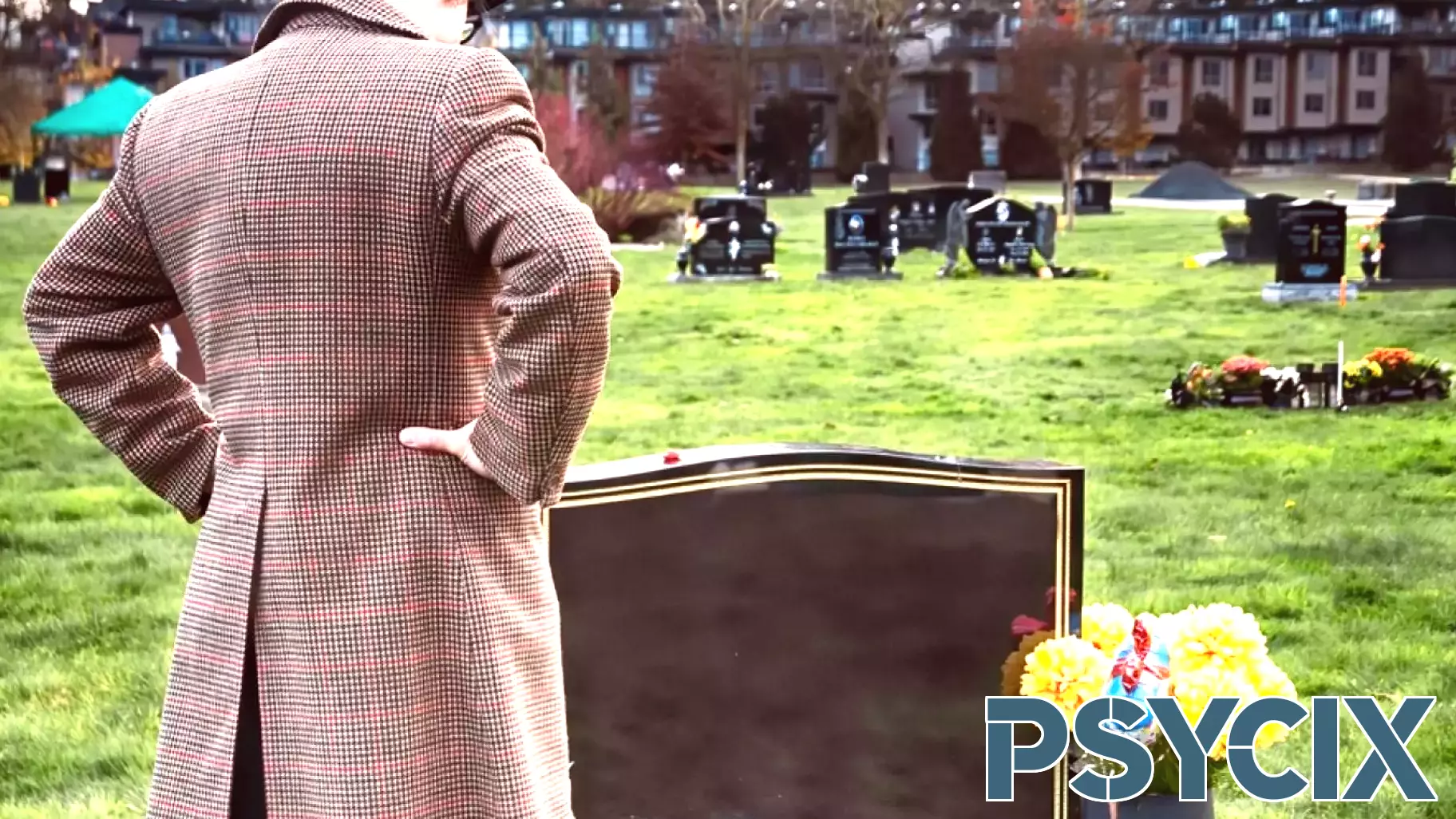
Why would someone visit a childhood friend's grave regularly for 70 years? The answer offers a powerful lesson about loss, memory and remembrance. For most of us, the dead are not truly gone. They linger in the spaces we shared, in the stories we tell, and in the rituals we keep. But what exactly keeps us connected to them, sometimes for decades after they have left?
Psychologists and grief researchers point to a simple truth: humans are wired for attachment. When someone dies, the bond does not break. It transforms. Visiting a grave, talking to a photograph, or keeping a worn-out object is not a sign of being stuck in the past. It is a way of continuing a relationship that has changed form. The act of tending to a grave, of placing flowers or simply sitting in silence, gives the living a place to direct their love and sorrow.
This is not about denial. It is about presence. The dead remain part of our lives because they shaped who we are. A parent's voice, a friend's laugh, a partner's advice -- these echoes do not fade. They become part of our internal world. Rituals like grave visits or annual memorials are not for the dead. They are for the living, to remind us that love does not end with a last breath. The connection endures, not because we refuse to let go, but because we choose to carry them forward.
MORE NEWS
October 18, 2026 - 21:48
Why Friendship Labels Can Create More Problems Than They SolveViral friendship categories have become a popular way for people to describe their social circles, but a psychologist cautions that these labels may cause more harm than good. Terms that...

October 18, 2026 - 06:35
Psychologist Weighs In on Trump's Health RemarksPresident Donald Trump made a rather alarming admission about suffering from some `very severe problems` with his health, and now a psychologist has weighed in with evidence for what some of those...
October 17, 2026 - 17:32
Debunking Common Psychology MythsSpoiler alert: opposites do not attract. That popular belief is just one of many psychology `facts` that turn out to be myths. A closer look at the research reveals several ideas people repeat...
October 17, 2026 - 06:31
The Psychology Behind Why People Enjoy Being ScaredThere are two kinds of people in October: those who count down the days until they can visit a haunted house, and those who would rather spend the evening anywhere else. For the first group, the...