Psychology explains why we keep waving goodbye even after someone can no longer see us, and why your brain
July 20, 2026 - 14:58
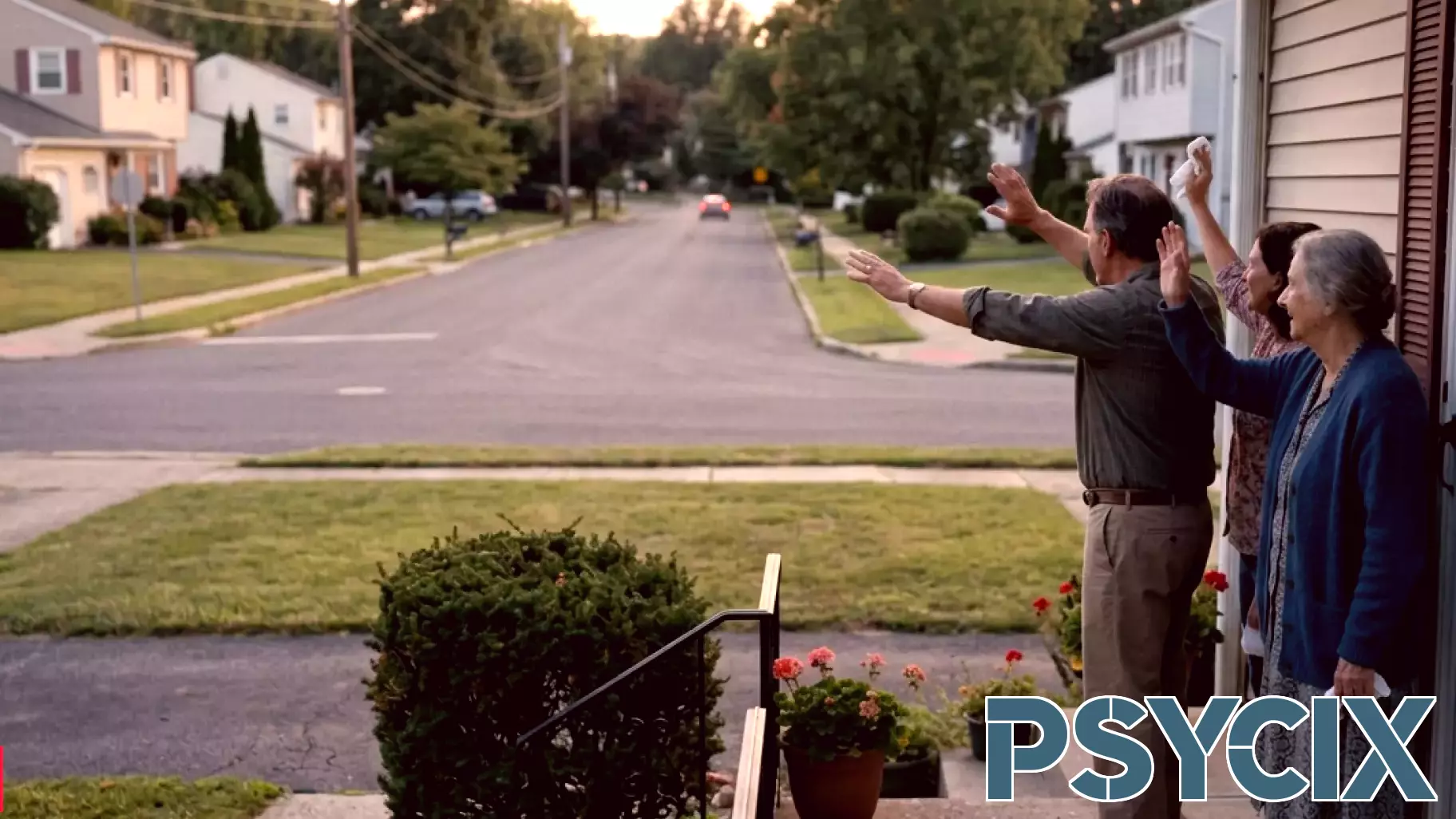
Waving goodbye after someone has already turned the corner or driven away is a deeply ingrained social ritual that most people perform without thinking. This automatic habit develops through years of repeated social interactions, where the act of waving becomes a learned signal of closure. Attachment theory offers one explanation: these rituals help regulate the mild anxiety that comes with separation. By continuing to wave, even when the other person can no longer see us, we soothe our own emotional state and reinforce the bond.
Conversation analysis, a field that studies how people manage talk, shows that endings in social interactions are rarely abrupt. They involve multiple closing signals, such as "well, I should go" followed by "take care" and then a final wave. This layered approach ensures both parties feel the goodbye is complete. Your brain, trained by countless partings, treats the wave as the final punctuation mark. Even when the other person is out of sight, the gesture satisfies an internal need for a proper ending. So next time you find yourself waving at an empty street, remember: it is not a pointless habit. It is your mind's way of saying the conversation is truly finished.
MORE NEWS

October 19, 2026 - 13:16
Why We Put Off Important Tasks Even When We Know They MatterYou know you have to get it done, yet you keep putting it off. The therapist explains why we procrastinate. Procrastination is often mistaken for laziness, but therapists say the behavior is...

October 18, 2026 - 21:48
Why Friendship Labels Can Create More Problems Than They SolveViral friendship categories have become a popular way for people to describe their social circles, but a psychologist cautions that these labels may cause more harm than good. Terms that...

October 18, 2026 - 06:35
Psychologist Weighs In on Trump's Health RemarksPresident Donald Trump made a rather alarming admission about suffering from some `very severe problems` with his health, and now a psychologist has weighed in with evidence for what some of those...
October 17, 2026 - 17:32
Debunking Common Psychology MythsSpoiler alert: opposites do not attract. That popular belief is just one of many psychology `facts` that turn out to be myths. A closer look at the research reveals several ideas people repeat...