What Happens in the Brain When Cannabis Is Used Every Day
July 11, 2026 - 13:40

Using cannabis every day does more than produce a temporary high. It reshapes the brain's normal operating state in ways that persist long after the immediate intoxication fades. According to recent neuroscience research, this chronic exposure creates a bias in the brain that pushes the person to keep using the drug, even when they might want to stop.
The brain is a highly adaptive organ. It constantly adjusts its chemistry and wiring to match the environment and substances it receives. When a person introduces THC, the main psychoactive compound in cannabis, on a daily basis, the brain begins to compensate. It downregulates its own cannabinoid receptors, essentially turning down the volume on its natural signaling system. This adaptation is the brain's attempt to maintain balance, but it comes at a cost.
As the brain becomes less sensitive to THC, the user needs more of the drug to achieve the same effect. This is the classic pattern of tolerance. But the changes go deeper. The brain's reward circuitry, which normally reinforces behaviors essential for survival, starts to associate cannabis use with a powerful sense of relief and pleasure. Over time, this association becomes ingrained. The brain learns to crave cannabis not just for the high, but to feel normal.
The result is a cycle. The daily user's brain is no longer operating in its original, drug-free state. It has been rewired to expect and depend on cannabis to regulate mood, stress, and motivation. This persistent shift in brain function explains why quitting can be difficult and why many users experience withdrawal symptoms like irritability, anxiety, and sleep problems. The brain has simply adapted to what it was given, and it takes time to readjust when the drug is removed.
MORE NEWS

October 9, 2026 - 01:11
Psychology Professors Raise Concerns About AI Dependence in StudentsPsychology professors are expressing growing concern that students` increasing reliance on artificial intelligence tools may be weakening essential cognitive and academic skills. In a recent...

October 8, 2026 - 15:57
Imitation Is How Children Learn More Than Just WordsWhen a toddler suddenly starts echoing a parent`s words, facial expressions or gestures, it can look like simple mimicry. Developmental psychology research, however, shows that imitation is closely...
October 7, 2026 - 21:42
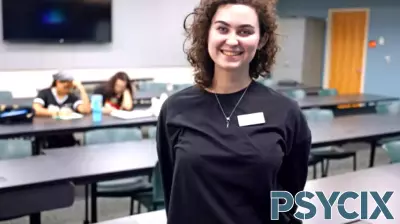
Geisinger Excited About Teaching at SCCKate Geisinger has joined Southeastern Community College as a full-time psychology instructor, bringing with her a strong commitment to student learning and intellectual growth. Geisinger says her...

October 7, 2026 - 03:39
Associate professor of psychology brings evidence-based mental wellness support directly to college studentsKaileigh Byrne, Wallace R. Roy Distinguished Associate Professor of psychology in the College of Behavioral, Social and Health Sciences, has spent years studying how people make decisions under...